Introduction
The Mexican Shrew, scientifically known as Megasorex gigas, is a fascinating yet underappreciated mammal species native to Mexico. This intriguing creature belongs to the Soricidae family, which comprises small, insectivorous mammals known as shrews. Despite its diminutive size, the Mexican Shrew plays a crucial role in its ecosystem by controlling insect populations and contributing to the biodiversity of its habitat. This article delves into the physical characteristics, habitat, behavior, diet, and conservation status of the Mexican Shrew, providing comprehensive insights into this enigmatic species.
Physical Description
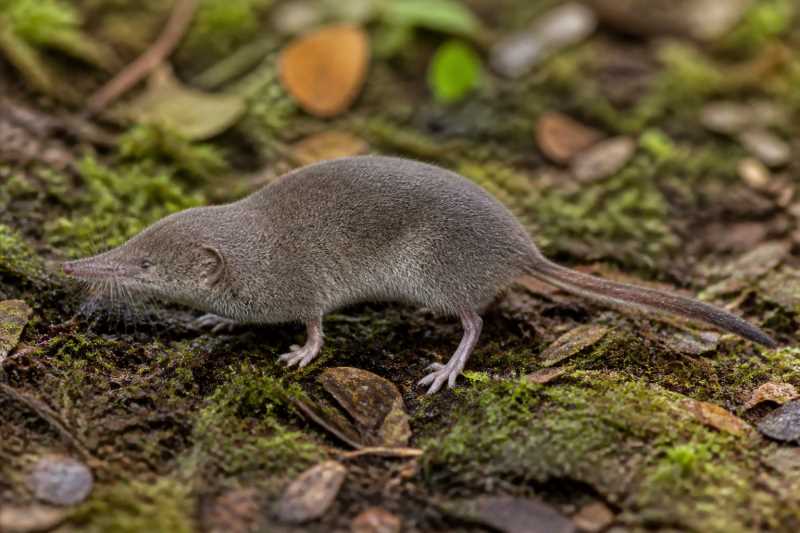
The Mexican Shrew is a small mammal, typically measuring between 10 to 14 centimeters in length, including its tail, which accounts for nearly half of its total body length. It boasts a dense coat of fur that is predominantly dark gray or brown, providing excellent camouflage in its natural habitat. The fur is soft and velvety, which aids in insulation against temperature fluctuations.
One of the most distinctive features of the Mexican Shrew is its elongated, pointed snout, which is equipped with sensitive whiskers that help it navigate through its environment and locate prey. Its eyes are small and adapted for its nocturnal lifestyle, while its ears are also reduced in size but highly sensitive to detect sound vibrations. The Mexican Shrew possesses sharp, tiny teeth that are crucial for its insectivorous diet, allowing it to efficiently capture and consume prey.
Range and Habitat
The Mexican Shrew is endemic to Mexico, with its distribution primarily concentrated in the central and southern regions of the country. It inhabits a variety of ecosystems, including tropical and subtropical forests, grasslands, and shrublands. The shrew’s preference for moist environments often leads it to reside near water sources such as rivers, streams, and wetlands.
These habitats provide the Mexican Shrew with abundant food resources and suitable conditions for burrowing and nesting. Their burrows are typically located in soft, damp soil, where they can find refuge from predators and harsh weather conditions. The shrew’s adaptability to different habitats highlights its ecological resilience, although it faces threats from habitat destruction and environmental changes.
Behavior and Diet
The Mexican Shrew is primarily nocturnal, spending the majority of its active hours foraging for food under the cover of darkness. Its diet consists mainly of insects and other small invertebrates, making it an effective pest control agent within its ecosystem. The shrew employs its keen sense of smell and touch to detect prey, often relying on its sensitive snout to dig through leaf litter and soil.
In addition to insects, the Mexican Shrew may consume small quantities of plant matter, particularly seeds and fruits, which supplement its diet. This opportunistic feeding behavior ensures that the shrew can sustain itself even when insect populations are low.
Socially, the Mexican Shrew is a solitary creature, with individuals maintaining territories that they defend from intruders. Breeding typically occurs during the warmer months, with females giving birth to litters of two to six young after a gestation period of approximately 21 days. The young shrews are weaned after a few weeks and quickly become independent, establishing their own territories.
Identification Tips (Field Recognition Cues)
Identifying the Mexican Shrew in the wild can be challenging due to its small size and elusive nature. However, there are several field recognition cues that can aid in its identification:
- Size and Shape: Look for a small, mouse-like mammal with a long, pointed snout. Its body length, including the tail, is between 10 to 14 centimeters.
- Fur Color: The Mexican Shrew has dense, dark gray or brown fur that provides effective camouflage against the forest floor.
- Behavior: The shrew is most active at night, so sightings are more likely during dusk or dawn. Listen for rustling sounds in leaf litter and underbrush.
- Habitat: Search in moist environments, particularly near water sources in forests and grasslands.
- Tracks and Signs: Look for small burrows or tunnels in soft soil, as well as droppings that indicate the presence of insectivorous activity.
Conservation Status (With Threats and Protections)
The conservation status of the Mexican Shrew is currently listed as "Least Concern" by the International Union for Conservation of Nature (IUCN). Despite this classification, the species faces several threats that could impact its long-term survival.
Threats
- Habitat Destruction: Deforestation, agricultural expansion, and urban development are significant threats to the Mexican Shrew’s habitat, leading to fragmentation and loss of suitable living areas.
- Pollution: Water and soil pollution can degrade the quality of the shrew’s habitat, affecting its food sources and overall health.
- Climate Change: Alterations in temperature and precipitation patterns can impact the availability of prey and suitable habitat conditions.
Protections
Conservation efforts for the Mexican Shrew focus on habitat preservation and restoration. Protected areas and wildlife reserves in Mexico provide refuge for the species, safeguarding critical habitats from development and exploitation. Additionally, raising awareness about the ecological importance of shrews can contribute to their conservation by encouraging sustainable land-use practices.
Frequently Asked Questions
1. What does the Mexican Shrew eat?
The Mexican Shrew primarily feeds on insects and small invertebrates, utilizing its acute sense of smell and touch to locate prey. It may also consume small amounts of plant matter, such as seeds and fruits.
2. How can I identify a Mexican Shrew in the wild?
Identifying a Mexican Shrew involves looking for key features such as its small size, pointed snout, and dark fur. Observing its nocturnal behavior and searching in moist habitats near water sources can also aid in recognition.
3. Is the Mexican Shrew endangered?
Currently, the Mexican Shrew is classified as "Least Concern" by the IUCN. However, it faces threats from habitat destruction, pollution, and climate change, which could impact its population in the future.
4. Where can the Mexican Shrew be found?
The Mexican Shrew is endemic to Mexico, primarily inhabiting central and southern regions. It occupies diverse ecosystems, including forests, grasslands, and shrublands, often near water sources.
Related posts