Introduction
The West African Rock Rat, scientifically known as Aethomys stannarius, is a fascinating rodent species native to the African continent. Despite its somewhat elusive nature, this species plays a vital role in its ecosystem and exhibits unique behaviors that have captivated researchers and wildlife enthusiasts alike. This article delves into the various aspects of the West African Rock Rat, including its physical characteristics, habitat preferences, behavior, and conservation status.
Physical Description
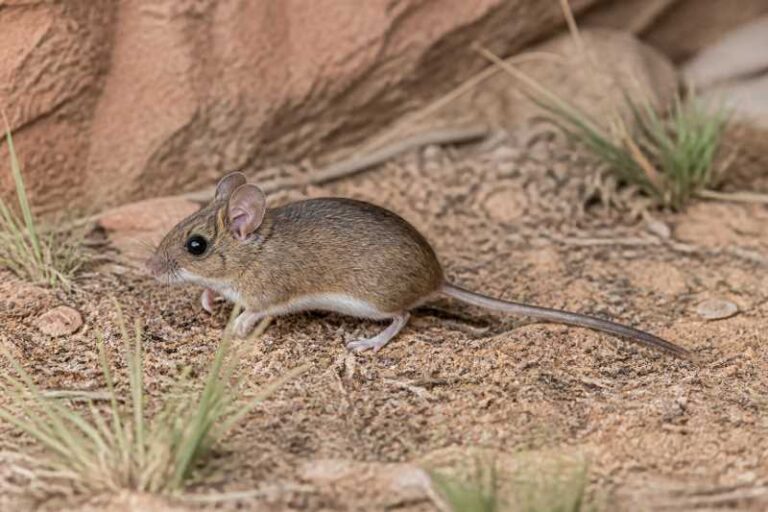
The West African Rock Rat is a medium-sized rodent characterized by its robust body and distinctive fur. Typically, these rats measure between 18 to 25 cm in body length, with a tail that adds an additional 15 to 22 cm. The fur is coarse and primarily a sandy brown, providing excellent camouflage against rocky and arid environments. Its underbelly is lighter, often white or pale gray, which helps in thermoregulation.
One of the notable features of the Aethomys stannarius is its large, rounded ears, which are well-adapted for acute hearing. This adaptation aids in detecting predators and communicating with other rats. Additionally, their hind limbs are slightly longer than the forelimbs, facilitating adept climbing and jumping abilities, essential for navigating the rugged terrains they inhabit.
Range and Habitat
The natural range of the West African Rock Rat spans several West African countries, including Guinea, Sierra Leone, and Liberia. These rodents are predominantly found in savanna regions, rocky hillsides, and forested areas where they can exploit crevices and boulders for shelter.
Their preference for rocky habitats is primarily due to the protection these environments offer from predators and harsh weather conditions. The varied topography also provides ample opportunities for foraging, nesting, and escaping threats. Despite their name, these rats are not limited to rock-based habitats alone but can also be found in open grasslands and areas close to human settlements, where they scavenge for food.
Behavior and Diet
West African Rock Rats are primarily nocturnal, spending the day in burrows or crevices to avoid the heat and emerging at night to forage. Their diet consists mainly of seeds, fruits, and plant material, although they are known to consume insects and small invertebrates when available.
These rodents are solitary creatures, with each individual maintaining a territory that they mark using scent glands. Communication among rats is achieved through vocalizations, scent markings, and physical gestures. During breeding seasons, which typically occur during the rainy months, males engage in competitive behaviors to gain access to females.
Identification Tips (Field Recognition Cues)
Identifying the West African Rock Rat in the field requires attention to several key features:
- Fur Coloration: Look for the sandy brown fur with a lighter underbelly, which blends seamlessly with rocky and dry environments.
- Tail Length: Their tail is nearly as long as the body and is covered with sparse hair, aiding in balance and agility.
- Ear Size: The large, rounded ears are a distinctive feature, assisting in their acute sense of hearing.
- Habitat: Typically found in rocky areas, but also in grasslands and near human dwellings.
- Behavior Patterns: Active primarily at night with solitary and secretive movements.
Conservation Status (with Threats and Protections)
Currently, the West African Rock Rat is classified as Least Concern on the IUCN Red List. However, like many wildlife species, it faces several threats that could impact its population in the future. Habitat destruction due to agricultural expansion and urban development poses significant risks. Additionally, climate change and associated habitat alterations could further threaten their natural environments.
Protection measures for the West African Rock Rat include habitat conservation efforts and environmental education programs aimed at reducing human-wildlife conflict. Conservationists advocate for sustainable land-use practices and the establishment of protected areas to ensure the survival of this species.
Frequently Asked Questions
1. What is the primary habitat of the West African Rock Rat? The West African Rock Rat primarily inhabits rocky hillsides, savannas, and forested areas, though they can also be found in grasslands and near human settlements.
2. Are West African Rock Rats endangered? Currently, the West African Rock Rat is not considered endangered. It is classified as Least Concern by the IUCN, but habitat loss and environmental changes could pose future threats.
3. How do West African Rock Rats communicate? These rodents use a combination of vocalizations, scent markings, and physical gestures to communicate with one another, especially during the breeding season.
4. What do West African Rock Rats eat? Their diet primarily consists of seeds, fruits, and plant material, but they also consume insects and small invertebrates when available.
5. How can I identify a West African Rock Rat in the wild? Look for their sandy brown fur, large ears, and long tail. They are usually found in rocky terrains and are active at night.
Related posts