Coastal Vesper Mouse (Calomys chinchilico): A Detailed Overview
Introduction
The Coastal Vesper Mouse, scientifically known as Calomys chinchilico, is a remarkable rodent species found in specific regions of South America. Known for its adaptability and unique characteristics, this small mammal is an integral part of the ecosystem it inhabits. Despite its relatively understated appearance, the Coastal Vesper Mouse plays a significant role in its habitat, contributing to seed dispersal and serving as prey for numerous predators. This article delves into the various aspects of the Coastal Vesper Mouse, including its physical description, range and habitat, behavior and diet, identification tips, and conservation status.
Physical Description
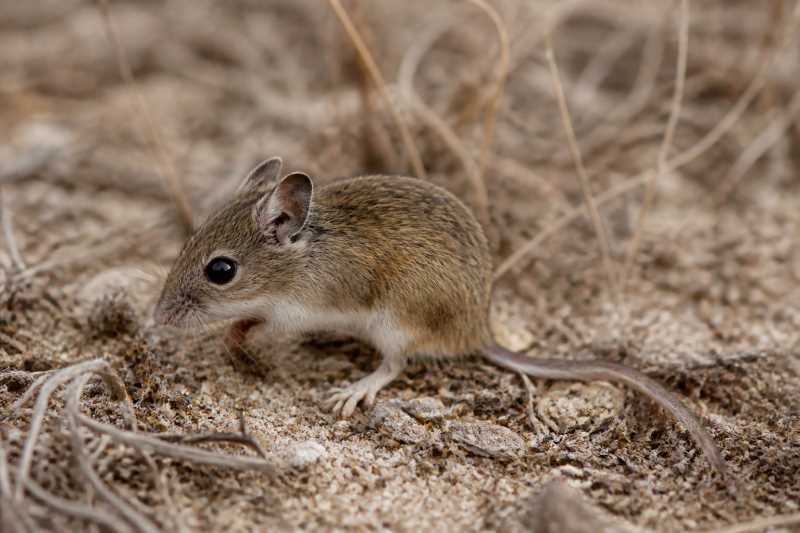
The Coastal Vesper Mouse is a small-sized rodent, typically measuring between 10 to 15 centimeters in length, excluding the tail, which adds an additional 8 to 11 centimeters. It has a compact body covered with soft, dense fur that varies in color from gray to brown, providing excellent camouflage against the forest floor. The fur on its underbelly is usually lighter, ranging from white to a pale gray shade. The mouse’s ears are relatively small and rounded, and its eyes are large and dark, adapted to its nocturnal lifestyle. The whiskers are long and sensitive, aiding in navigation and exploration of its environment.
Range and Habitat
Calomys chinchilico is primarily found along the coastal regions of South America, particularly in countries like Peru and parts of Chile. This species thrives in a variety of habitats, including coastal scrublands, grasslands, and forest edges. It is particularly adept at living in environments with dense vegetation, which offers protection from predators and a rich supply of food. The Coastal Vesper Mouse is often found at elevations ranging from sea level to around 1,500 meters. Its ability to adapt to different habitats is one of the reasons for its survival despite environmental changes.
Behavior and Diet
The Coastal Vesper Mouse is predominantly nocturnal, spending most of its daytime hours in burrows or hidden among dense vegetation. It is a solitary creature, coming together with others of its kind only during the breeding season. The diet of the Coastal Vesper Mouse is omnivorous, consisting of seeds, fruits, insects, and occasionally small invertebrates. This varied diet not only helps the mouse to thrive in different environments but also aids in seed dispersal, contributing to the health of its ecosystem. The mouse is known for its quick and agile movements, which help it evade predators and forage efficiently.
Identification Tips (Field Recognition Cues)
Identifying the Coastal Vesper Mouse in the wild can be challenging due to its elusive nature and nocturnal habits. However, there are several field recognition cues that can aid in its identification:
- Fur Coloration: Look for the characteristic gray to brown fur with a lighter underbelly.
- Size and Shape: Note the mouse’s small size, typically around 10 to 15 centimeters in body length.
- Movement Patterns: Observe its quick and agile movements, especially during the night.
- Habitat: Check for presence in coastal scrublands and forest edges, particularly in Peru and Chile.
- Tracks and Signs: Look for small tracks and droppings in areas where the mouse might forage.
Conservation Status (with Threats and Protections)
Currently, the Coastal Vesper Mouse is not listed as endangered, but it faces several threats that could impact its population in the future. Habitat destruction due to agricultural expansion, urban development, and deforestation are primary concerns. Additionally, climate change poses a long-term threat by altering its natural habitat. Protective measures for this species include habitat preservation and restoration efforts. Conservation organizations are working to raise awareness about the importance of maintaining biodiversity and the role of species like the Coastal Vesper Mouse. Continued research and monitoring are essential to ensure this species remains a thriving part of its ecosystem.
Frequently Asked Questions
What does the Coastal Vesper Mouse eat?
The Coastal Vesper Mouse has an omnivorous diet consisting of seeds, fruits, insects, and small invertebrates. This diverse diet aids in its survival across various habitats.
Where can the Coastal Vesper Mouse be found?
This species is primarily found along the coastal regions of South America, particularly in Peru and parts of Chile, in habitats such as coastal scrublands and forest edges.
How does the Coastal Vesper Mouse contribute to its ecosystem?
The Coastal Vesper Mouse plays a vital role in seed dispersal, which helps maintain plant diversity. It also serves as prey for various predators, contributing to the food web.
What threats does the Coastal Vesper Mouse face?
The main threats include habitat destruction due to agriculture and urbanization, as well as the impacts of climate change, which could alter its natural environment.
How can we help protect the Coastal Vesper Mouse?
Protecting its habitat through conservation efforts, supporting reforestation projects, and raising awareness about the species and its ecological importance are key steps in its protection.
Related posts