Introduction
Lund’s Atlantic Tree-rat, scientifically known as Phyllomys lundi, is a fascinating rodent species endemic to the Atlantic Forest of Brazil. This elusive mammal is part of the Echimyidae family, commonly referred to as spiny rats due to their unique fur texture. With the ongoing threats to its habitat, understanding and conserving this species is crucial. This article will delve into the various aspects of Lund’s Atlantic Tree-rat, from its physical characteristics to its conservation status.
Physical Description
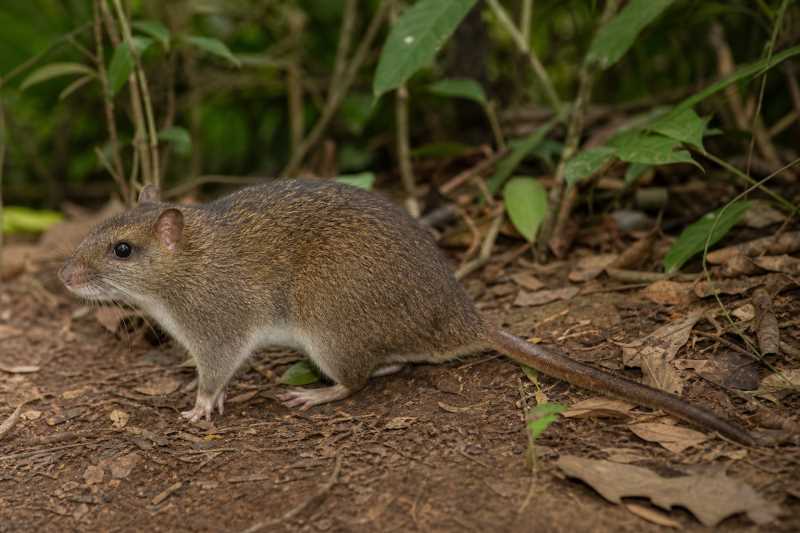
Lund’s Atlantic Tree-rat is a medium-sized rodent, typically measuring between 20 to 30 centimeters in body length, excluding the tail, which adds an additional 15 to 25 centimeters. This species is distinguished by its dense, spiny fur, which serves as a protective adaptation against predators. The fur color varies from dark brown to reddish-brown, with lighter underparts. The spines are interspersed with softer fur, giving it a unique texture.
The species has a robust body, designed for life in the trees. Its limbs are strong and adapted for climbing, with sharp claws that provide a firm grip on branches. The tail of Phyllomys lundi is prehensile, aiding in balance and maneuverability among the dense foliage of its habitat. Its large, dark eyes are adapted to its nocturnal lifestyle, while its ears are relatively small and rounded.
Range and Habitat
Lund’s Atlantic Tree-rat is native to the Atlantic Forest, a biodiversity hotspot located along the eastern coast of Brazil. This forest is characterized by its humid tropical and subtropical climate, with a diverse range of flora and fauna. The tree-rat occupies the upper canopy and mid-levels of the forest, where it finds ample food and shelter.
The Atlantic Forest has undergone significant deforestation, reducing the available habitat for Phyllomys lundi. Despite this, the species persists in fragmented forest patches, often in protected areas or regions with secondary growth that provide suitable living conditions.
Behavior and Diet
Primarily nocturnal, Lund’s Atlantic Tree-rat spends the daylight hours resting in tree hollows or dense vegetation. At night, it becomes active, traversing the forest canopy in search of food. This species is omnivorous, with a diet consisting of fruits, seeds, leaves, and occasionally small insects. Its foraging behavior helps in seed dispersal, playing a crucial role in maintaining forest ecology.
The tree-rat is solitary in nature, with individuals maintaining distinct territories. Communication among these rodents is primarily through vocalizations and scent markings. These behaviors are essential for avoiding confrontations and attracting mates during the breeding season.
Identification Tips (Field Recognition Cues)
Identifying Lund’s Atlantic Tree-rat in the field requires keen observation skills. Key recognition cues include:
- Spiny Fur: Look for the distinctive spiny texture interspersed with softer hairs.
- Size and Shape: Note the medium size with a robust body, long prehensile tail, and sharp claws.
- Coloration: Observe the dark brown to reddish-brown fur with lighter underparts.
- Habitat: Found in the upper canopy of the Atlantic Forest.
- Behavior: Active at night, look for movement among the branches after dusk.
Conservation Status (with Threats and Protections)
Lund’s Atlantic Tree-rat is currently classified as Near Threatened by the International Union for Conservation of Nature (IUCN). The primary threat to this species is habitat destruction due to logging, agriculture, and urban expansion. The fragmentation of the Atlantic Forest has led to isolated populations, increasing the risk of inbreeding and reducing genetic diversity.
Conservation efforts are underway to protect this species’ habitat. Several protected areas within the Atlantic Forest provide a refuge for Phyllomys lundi. Reforestation initiatives and environmental awareness campaigns are critical in preserving these forest ecosystems. Additionally, research on the species’ ecology and population dynamics is essential for informed conservation strategies.
Frequently Asked Questions
1. What are the main threats to Lund’s Atlantic Tree-rat?
The primary threats include habitat destruction due to deforestation, agriculture, and urban expansion, leading to habitat fragmentation and population isolation.
2. How does Lund’s Atlantic Tree-rat contribute to its ecosystem?
As an omnivore, it plays a role in seed dispersal and maintaining the ecological balance of the Atlantic Forest, supporting plant regeneration and diversity.
3. Where can Lund’s Atlantic Tree-rat be found?
It is found in the Atlantic Forest of Brazil, primarily in the canopy and mid-levels of the forest, within protected areas and regions of secondary growth.
4. What conservation measures are in place for Lund’s Atlantic Tree-rat?
Conservation measures include habitat protection through the establishment of protected areas, reforestation projects, and research initiatives to understand its ecology and population status.
5. How can I help in the conservation of Lund’s Atlantic Tree-rat?
Supporting conservation organizations, promoting awareness about the Atlantic Forest, and advocating for sustainable land-use practices can contribute to the conservation of this species.
Related posts