Introduction
The Philippine Forest Horseshoe Bat, scientifically known as Rhinolophus inops, is an intriguing species of bat found predominantly in the Philippines. Renowned for its distinct horseshoe-shaped noseleaf, this bat plays a crucial role in maintaining the ecological balance within its habitat. As a member of the Rhinolophidae family, it contributes significantly to the pollination of various plants and the control of insect populations. This article delves into the various aspects of the Philippine Forest Horseshoe Bat, shedding light on its physical characteristics, habitat preferences, behaviors, and conservation status.
Physical Description
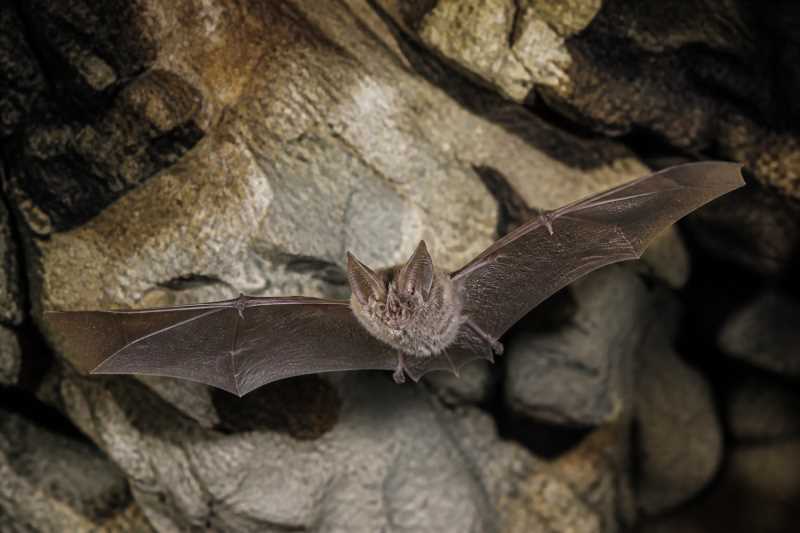
The Philippine Forest Horseshoe Bat is a medium-sized bat species characterized by its distinctive noseleaf, which resembles a horseshoe. This unique facial feature aids in echolocation, allowing the bat to navigate and hunt effectively in its forested environment. The bat’s fur is typically a mix of brown and gray tones, providing effective camouflage against the bark and leaves of trees.
Adults usually have a wingspan ranging from 30 to 40 centimeters, while their body length measures approximately 6 to 7 centimeters. Their wings are long and narrow, facilitating agile flight through dense vegetation. The ears of the Philippine Forest Horseshoe Bat are large and rounded, further enhancing their ability to detect echoes and sounds in their surroundings.
Range and Habitat
The Philippine Forest Horseshoe Bat is endemic to the Philippines, where it inhabits a variety of forested environments, from lowland tropical forests to montane regions. Its presence has been recorded on several islands, including Luzon, Mindanao, and Palawan. The species prefers dense, primary forests but can also be found in secondary forests and occasionally near cave systems used for roosting.
Their habitat selection is influenced by the availability of food resources and suitable roosting sites. As a result, these bats are often found in areas where insect populations are abundant, and natural or artificial roosting sites provide adequate shelter and protection from predators.
Behavior and Diet
The Philippine Forest Horseshoe Bat is primarily nocturnal, emerging at dusk to forage for food. Their diet consists mainly of insects, including moths, beetles, and flies, which they catch in flight using their adept echolocation abilities. This insectivorous diet plays a vital role in regulating insect populations, thus maintaining the ecological balance within their habitat.
During the day, these bats roost in secluded locations such as caves, hollow trees, or dense foliage, often forming small colonies. Social structures within these colonies are relatively simple, with minimal interaction outside of mating and rearing young. Mating typically occurs once a year, and females give birth to a single pup, which they care for until it is capable of independent flight.
Identification Tips
Identifying the Philippine Forest Horseshoe Bat in the field requires careful observation of its distinctive features:
- Noseleaf: The most prominent feature is its horseshoe-shaped noseleaf, which is unique among bats.
- Fur Color: Look for the bat’s brownish-gray fur, which blends well with forest environments.
- Size and Wingspan: Note the medium size and wingspan of 30 to 40 centimeters, with a body length of around 6 to 7 centimeters.
- Ears: Large, rounded ears are another distinguishing feature, aiding in their echolocation capabilities.
These characteristics, combined with their habitat preferences, can aid in distinguishing them from other bat species in the region.
Conservation Status
The conservation status of the Philippine Forest Horseshoe Bat is currently listed as "Least Concern" by the International Union for Conservation of Nature (IUCN). However, their populations are threatened by habitat loss due to deforestation, agricultural expansion, and urban development. Additionally, the disturbance of roosting sites, particularly caves, poses a significant threat to their survival.
Conservation efforts are focused on habitat preservation and management, as well as raising awareness about the ecological importance of bats. Protected areas and wildlife conservation programs in the Philippines play a vital role in safeguarding the future of this and other bat species. Ongoing research and monitoring are essential to understanding population trends and implementing effective conservation strategies.
Frequently Asked Questions
1. What is the primary diet of the Philippine Forest Horseshoe Bat?
The Philippine Forest Horseshoe Bat primarily feeds on insects, including moths, beetles, and flies. Their insectivorous diet helps control insect populations and maintain ecological balance.
2. Where can the Philippine Forest Horseshoe Bat be found?
This bat species is endemic to the Philippines and can be found on several islands, including Luzon, Mindanao, and Palawan, in various forest habitats.
3. What are the main threats to the Philippine Forest Horseshoe Bat?
The main threats include habitat loss due to deforestation, agricultural expansion, urban development, and disturbances to their roosting sites.
4. How can the Philippine Forest Horseshoe Bat be identified in the wild?
Identifying this bat involves looking for its horseshoe-shaped noseleaf, brownish-gray fur, medium size, and large, rounded ears.
5. What conservation efforts are in place for the Philippine Forest Horseshoe Bat?
Conservation efforts focus on habitat preservation, protected areas, and raising awareness about the ecological importance of bats, along with ongoing research and monitoring.
Related posts