Introduction
The Chiriqui Pocket Gopher, scientifically known as Heterogeomys cavator, is a fascinating mammal species endemic to Central America. Despite its relatively obscure status compared to other wildlife in the region, this species plays a crucial role in its ecosystem. Characterized by its burrowing habits and distinctive features, the Chiriqui Pocket Gopher is a subject of interest for both wildlife enthusiasts and researchers.
This article delves into various aspects of the Chiriqui Pocket Gopher, including its physical description, habitat preferences, behavioral patterns, and conservation status. Additionally, we provide identification tips to help observers in the field recognize this unique mammal.
Physical Description
The Chiriqui Pocket Gopher is a medium-sized rodent with several adaptations suited to its subterranean lifestyle. Typically, adults measure between 20 to 30 centimeters in length, with a weight ranging from 300 to 500 grams. The species exhibits sexual dimorphism, with males generally being larger than females.
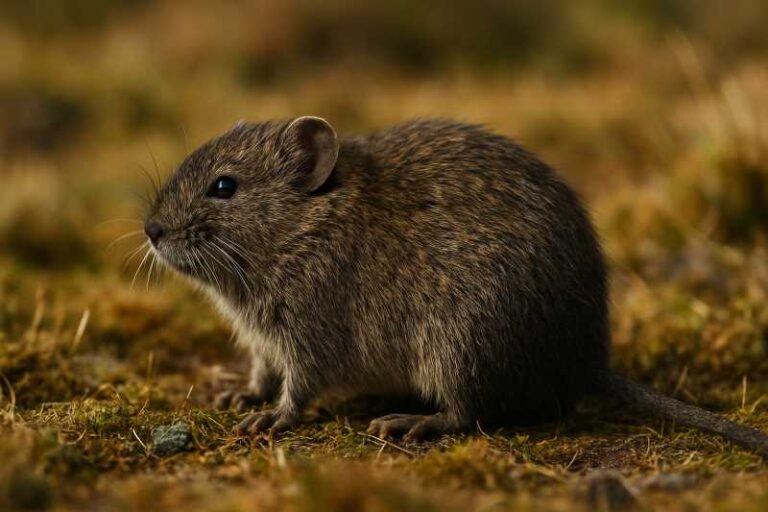
One of the most distinctive features of the Chiriqui Pocket Gopher is its fur, which is dense and velvety, ranging in color from dark brown to black. This coloration aids in camouflage when the gopher is above ground. The fur also helps in temperature regulation within its burrow system.
The gopher has powerful forelimbs equipped with long claws, ideal for digging through soil. Its incisors are strong and protrude at a slight angle, facilitating the excavation of tunnels. Additionally, the Chiriqui Pocket Gopher has small eyes and ears, both adaptations to its underground environment where vision and hearing are less crucial.
Range and Habitat
The Chiriqui Pocket Gopher is endemic to the highlands of Central America, specifically found in regions of Costa Rica and Panama. Its range is primarily concentrated in the Chiriqui Province of Panama, from which its common name is derived.
This species prefers habitats that offer loose, well-drained soils, which are conducive to its burrowing lifestyle. It is typically found in grasslands, agricultural fields, and occasionally in forested areas. The gopher’s preference for cultivated lands often brings it into conflict with human agricultural activities, as it can cause damage to crops.
Behavior and Diet
The Chiriqui Pocket Gopher is primarily solitary and exhibits territorial behavior, with individuals maintaining their own burrow systems. These burrows can be extensive, comprising numerous tunnels and chambers used for nesting, food storage, and waste disposal.
As a herbivore, the Chiriqui Pocket Gopher’s diet consists mainly of roots, tubers, and grasses. It uses its strong incisors to cut vegetation, which is then stored in its fur-lined cheek pouches. These pouches allow the gopher to transport food back to its burrow without exposing itself to predators for extended periods.
Gophers are most active during the early morning and late afternoon, although their subterranean lifestyle means they can be active at any time, depending on environmental conditions.
Identification Tips (field recognition cues)
Field identification of the Chiriqui Pocket Gopher can be challenging due to its secretive nature. However, several cues can aid in its recognition:
- Burrow Entrances: Look for crescent-shaped mounds of soil, which are indicative of gopher burrows. These mounds are typically fresh and located near vegetation.
- Tail Characteristics: If observed, the gopher’s tail is relatively short and covered with sparse hair, a feature useful for species identification.
- Activity Signs: Freshly clipped vegetation and disturbed soil around burrow entrances are signs of recent gopher activity.
- Vocalizations: Although rare, the gopher may emit low-pitched grunts when disturbed, which can serve as an auditory cue.
Conservation Status (with threats and protections)
The conservation status of the Chiriqui Pocket Gopher is currently listed as "Least Concern" by the International Union for Conservation of Nature (IUCN). However, this status does not imply that the species faces no threats.
One of the primary threats to the Chiriqui Pocket Gopher is habitat loss due to agricultural expansion and urban development. Additionally, because the gopher can be considered a pest by farmers, it is sometimes targeted for eradication, further impacting its population.
Conservation efforts for the Chiriqui Pocket Gopher focus on habitat preservation and mitigating human-wildlife conflict. Protected areas within its range also provide a refuge from agricultural pressures.
Frequently Asked Questions
1. What adaptations help the Chiriqui Pocket Gopher in its burrowing lifestyle?
The Chiriqui Pocket Gopher is well-adapted for a burrowing lifestyle, with powerful forelimbs and long claws for digging. Its incisors are strong, aiding in soil excavation, and its small eyes and ears reduce the risk of injury underground.
2. How can I identify the presence of a Chiriqui Pocket Gopher in the field?
Look for crescent-shaped soil mounds, fresh vegetation clippings, and short tail characteristics. These are key indicators of gopher activity.
3. What role does the Chiriqui Pocket Gopher play in its ecosystem?
The Chiriqui Pocket Gopher contributes to soil aeration and nutrient distribution through its burrowing activities, benefiting plant growth and ecosystem health.
4. Are Chiriqui Pocket Gophers a threat to agriculture?
While they can damage crops by feeding on roots and tubers, their impact is generally localized. Managing their populations through non-lethal means can mitigate agricultural conflicts.
5. What conservation measures are in place for the Chiriqui Pocket Gopher?
Conservation measures include habitat protection and promoting coexistence strategies with farmers to reduce human-wildlife conflict.
Related posts