Introduction
Mann’s Soft-haired Mouse, scientifically known as Abrothrix manni, is a small rodent species that forms part of the diverse family of Cricetidae. These fascinating mammals are endemic to specific regions of South America and are a subject of interest due to their unique adaptations and ecological significance. This comprehensive article delves into the various aspects of Mann’s Soft-haired Mouse, offering insights into their physical characteristics, habitat preferences, behavior, diet, and conservation status, alongside practical identification tips for enthusiasts and researchers alike.
Physical Description
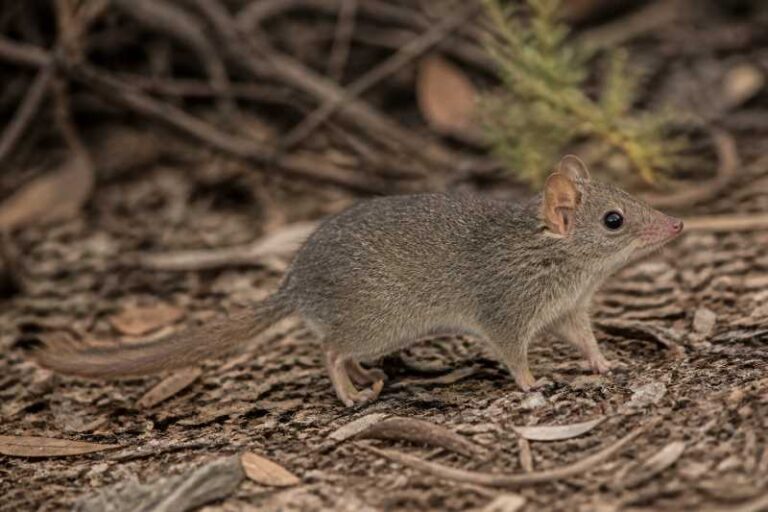
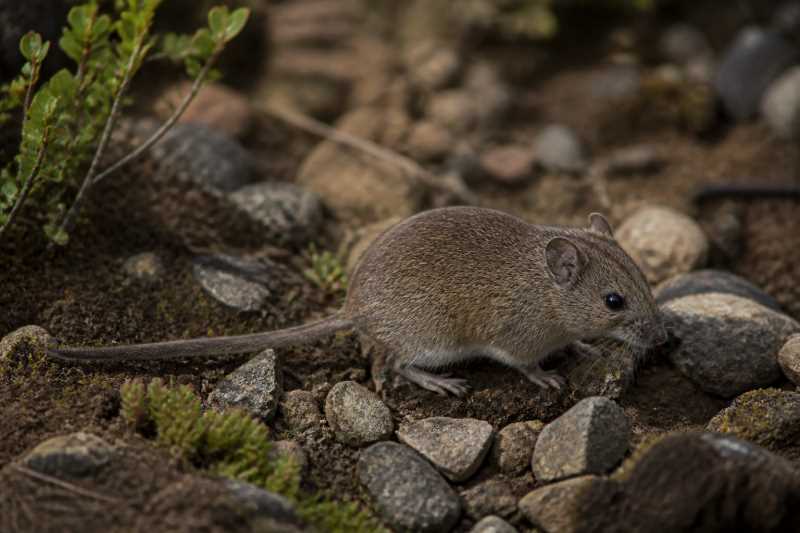
Mann’s Soft-haired Mouse is a diminutive and agile rodent, distinguished by its soft and dense fur, which primarily serves as protection against the cold climates of its native habitat. The fur is typically a mix of gray and brown tones, providing excellent camouflage against the forest floor and mountainous terrains.
These mice exhibit a streamlined body structure with a total length ranging from 12 to 16 centimeters, including a tail that accounts for nearly half of their length. The tail is covered with fine hair and is somewhat less bushy compared to other rodents. Their small yet sharp claws and semi-prehensile tail aid in climbing and foraging, while their large, dark eyes and whiskers are well-adapted for nocturnal activity.
Range and Habitat
Abrothrix manni is primarily found in the temperate forests and mountainous regions of southern Chile and Argentina. Their range extends across the Andes, showcasing their adaptability to rugged and varied terrains. These mice favor dense undergrowth and areas with abundant leaf litter, which provide both food sources and cover from predators.
Their habitat selection is influenced by the availability of shelter and food, often found in areas with a rich diversity of plant species. They are versatile in habitat preference, occupying lowland forests, subalpine zones, and even the edges of agricultural lands where they might encounter human activity.
Behavior and Diet
Mann’s Soft-haired Mouse is primarily nocturnal, exhibiting peak activity during the cooler hours of dusk and dawn. This behavioral trait reduces the risk of predation and allows them to exploit food resources with minimal competition from diurnal species.
Their diet is omnivorous, consisting of seeds, fruits, insects, and occasionally small invertebrates. This varied diet reflects their adaptability and resilience in fluctuating environmental conditions. During colder months, they rely heavily on cached food supplies and might exhibit reduced activity to conserve energy.
Socially, these mice are relatively solitary, with interactions primarily occurring during the breeding season. Communication is facilitated through vocalizations, scent marking, and tactile cues, which play a crucial role in territory establishment and mate selection.
Identification Tips
Field recognition of Mann’s Soft-haired Mouse can be challenging due to their elusive nature and similarity to other sympatric rodent species. However, the following cues can aid in identification:
- Size and Tail Proportion: Observe the overall size and the length of the tail, which should be approximately half of their body length.
- Fur Texture and Color: Note the soft, dense fur with a mix of gray and brown, which blends with the forest floor.
- Behavior Patterns: Look for nocturnal activity patterns, particularly around dusk and dawn.
- Habitat Preferences: Identify areas with dense undergrowth and leaf litter, which are indicative of their preferred habitats.
Conservation Status
Currently, Mann’s Soft-haired Mouse is not listed as threatened or endangered. However, their populations are susceptible to habitat destruction and fragmentation due to logging, agriculture, and urban development. These activities not only reduce available habitat but also increase the risk of predation and competition from invasive species.
Conservation efforts emphasize the importance of habitat preservation and the implementation of sustainable land management practices to ensure the long-term survival of this species. Protected areas and national parks play a vital role in safeguarding their natural habitats from further degradation.
Frequently Asked Questions
1. Where can Mann’s Soft-haired Mouse be found? Mann’s Soft-haired Mouse inhabits the temperate forests and mountainous regions of southern Chile and Argentina, favoring areas with dense vegetation and leaf litter.
2. What does Mann’s Soft-haired Mouse eat? Their diet is omnivorous, including seeds, fruits, insects, and small invertebrates, reflecting their adaptability to varied environmental conditions.
3. How can you identify Mann’s Soft-haired Mouse in the field? Identification can be based on size, tail proportion, fur texture, and activity patterns. Look for their presence in dense undergrowth and leaf litter habitats.
4. What threats do Mann’s Soft-haired Mice face? The primary threats include habitat destruction, fragmentation, and competition from invasive species, all of which are exacerbated by human activities.
5. Are Mann’s Soft-haired Mice nocturnal? Yes, they are primarily nocturnal, with peak activity during the cooler hours of dusk and dawn, reducing the risk of predation and competition.
Related posts