Introduction
The Indochinese Whiskered Myotis, scientifically known as Myotis alticraniatus, is a little-known bat species native to Southeast Asia. As a member of the Vespertilionidae family, this bat is part of a diverse and widespread group characterized by their echolocation abilities and varied habitats. Despite its elusive nature, the Indochinese Whiskered Myotis plays a crucial role in its ecosystem, primarily by controlling insect populations. This article delves into the intriguing aspects of this species, from its physical characteristics to its conservation status.
Physical Description
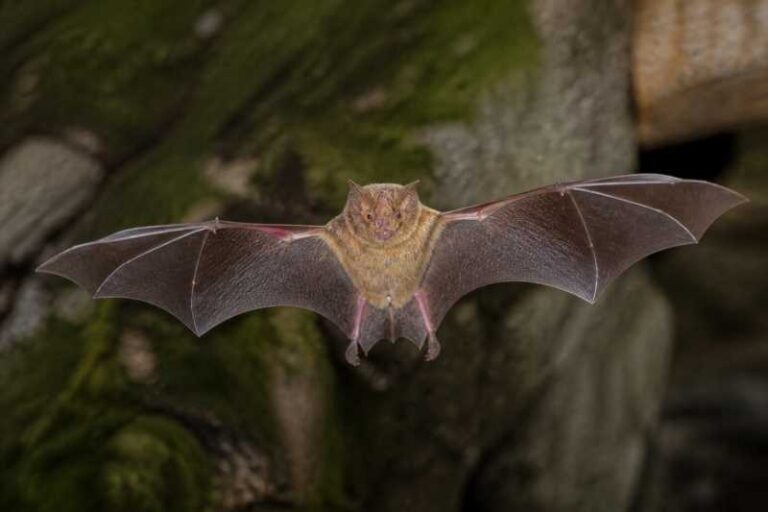
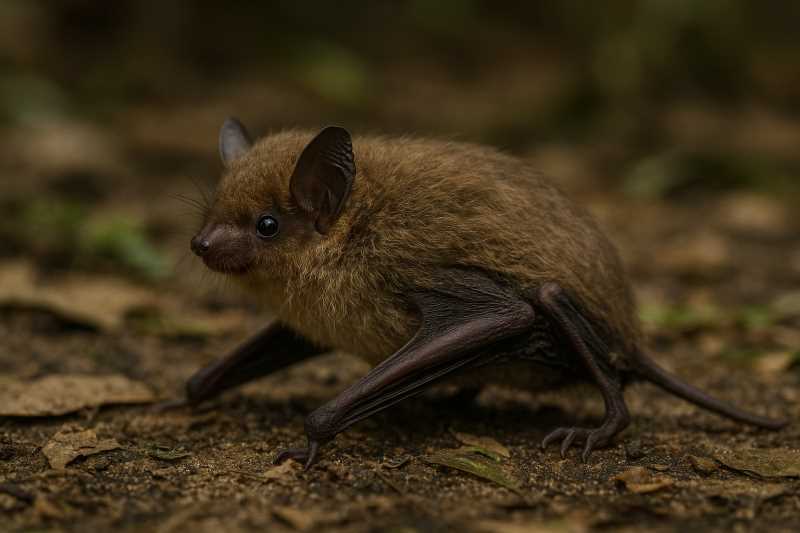
The Indochinese Whiskered Myotis is a small bat, typically measuring between 4 to 5 centimeters in body length, with a wingspan ranging from 25 to 30 centimeters. It is often recognized by its distinctive whiskered appearance, which is due to the elongated hairs around its muzzle. The fur of this species is generally a dark brown, with a slightly lighter underbelly, helping it blend seamlessly into its forested environment.
One of the defining features of the Indochinese Whiskered Myotis is its cranial structure, which is adapted for echolocation. The skull is slightly elongated and houses robust auditory bullae, facilitating acute hearing necessary for navigating and hunting in the dark. The wings are long and narrow, allowing for agile flight, which is essential for capturing fast-moving prey like insects.
Range and Habitat
Myotis alticraniatus is predominantly found in the Indochinese region, which includes countries such as Vietnam, Laos, Cambodia, and parts of Thailand. This bat is typically associated with montane and evergreen forests, though it can also be found in lowland areas during certain times of the year.
These bats prefer habitats that offer plenty of roosting sites, such as caves, hollow trees, and abandoned buildings. The dense foliage of these forests provides both shelter and abundant feeding opportunities. Unfortunately, habitat destruction due to logging and agricultural expansion poses a significant threat to these environments, impacting the natural range of the Indochinese Whiskered Myotis.
Behavior and Diet
The Indochinese Whiskered Myotis is a nocturnal creature, spending the daylight hours roosting in secluded spots and emerging at dusk to feed. Its diet primarily consists of insects, and it plays a vital role in controlling pest populations within its habitat. Using echolocation, this bat can detect and capture prey with remarkable precision, even in complete darkness.
Socially, these bats tend to roost in small groups, though solitary roosting has also been observed. During the breeding season, females congregate in maternity colonies, where they give birth and rear their young. The species is known for its agility and speed, making it a proficient hunter capable of catching insects mid-flight.
Identification Tips (Field Recognition Cues)
Identifying the Indochinese Whiskered Myotis in the field can be challenging due to its nocturnal and elusive nature. However, certain characteristics can aid in its recognition:
- Size and Shape: This bat is small with a slender build, making it one of the more delicate species within its range.
- Whiskered Muzzle: Look for the distinct elongated hairs around the muzzle, which are a key feature of this species.
- Flight Pattern: Observing its flight can be a clue—this bat exhibits swift, agile movements as it hunts for insects.
- Echolocation Calls: Using a bat detector, you might pick up its high-frequency echolocation calls, which are typically above the range of human hearing.
- Roosting Sites: Check caves, hollow trees, and old buildings during the day for potential roosting colonies.
Conservation Status (with Threats and Protections)
The conservation status of the Indochinese Whiskered Myotis is currently listed as Data Deficient by the International Union for Conservation of Nature (IUCN). This classification stems from the limited information available on its population size, distribution, and trends. However, several threats are known to impact this species:
- Habitat Destruction: Logging, agricultural expansion, and urbanization are reducing the availability of suitable habitats.
- Disturbance of Roosting Sites: Human activities such as tourism and cave exploration can disrupt important roosting and breeding sites.
- Pesticide Use: The widespread use of pesticides reduces the abundance of insect prey, impacting the bat’s food supply.
To protect this species, conservation efforts need to focus on habitat preservation and restoration. Creating protected areas and promoting sustainable land-use practices can help mitigate some of the pressures on their environment. Additionally, research initiatives aimed at gathering more data on this species are crucial for informed conservation strategies.
Frequently Asked Questions
What is the diet of the Indochinese Whiskered Myotis?
The Indochinese Whiskered Myotis primarily feeds on insects, making it an important predator in controlling pest populations. It uses echolocation to detect and capture prey in flight.
Where can the Indochinese Whiskered Myotis be found?
This bat species is native to the Indochinese region, including Vietnam, Laos, Cambodia, and parts of Thailand. It typically inhabits montane and evergreen forests but can also be found in lowland areas.
How does the Indochinese Whiskered Myotis use echolocation?
The bat emits high-frequency sound waves that bounce off objects and return to its ears, allowing it to navigate and hunt in the dark. Its cranial structure is specially adapted to facilitate acute hearing.
What are the main threats to the Indochinese Whiskered Myotis?
The primary threats include habitat destruction due to logging and agriculture, disturbance of roosting sites, and the impact of pesticide use on their insect prey.
How can we help conserve the Indochinese Whiskered Myotis?
Conservation efforts should focus on protecting and restoring habitats, creating protected areas, and promoting sustainable land use. Research to gather more data on the species is also essential.
Related posts