Kenyan Big-eared Free-tailed Bat: An In-depth Overview
Introduction
The Kenyan Big-eared Free-tailed Bat, scientifically known as Tadarida lobata, is a fascinating species of bat native to East Africa. Known for its distinctive large ears and swift flight, this bat is an integral part of the ecosystem, playing a crucial role in insect control. Despite its significance, the species remains relatively understudied, making it a subject of interest for researchers and wildlife enthusiasts alike. This article aims to provide a comprehensive overview of the Kenyan Big-eared Free-tailed Bat, covering its physical characteristics, habitat, behavior, and conservation status.
Physical Description
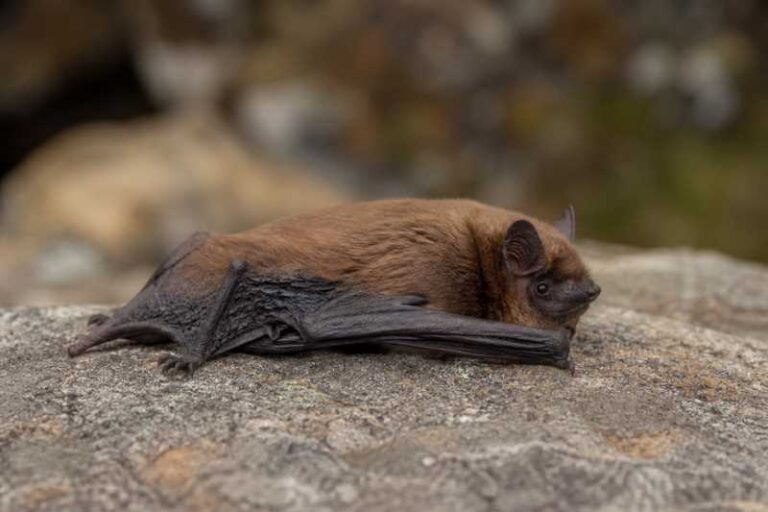
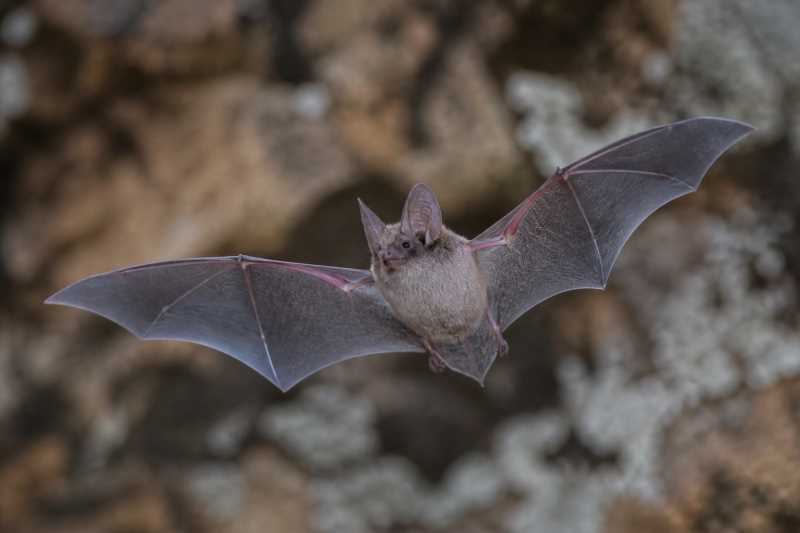
The Kenyan Big-eared Free-tailed Bat is notable for its large ears that are proportionally larger than those of other bats in its genus. These ears are not only a defining feature but also play an essential role in echolocation, allowing the bat to navigate and hunt with precision in the dark. The bat has a streamlined body, measuring between 9 to 12 centimeters in length, and a wingspan that can reach up to 40 centimeters. Its fur is typically a dark brown or gray, providing excellent camouflage against the bark of trees and within caves where it roosts. The tail extends beyond the uropatagium, which is a characteristic feature of free-tailed bats.
Range and Habitat
Tadarida lobata is predominantly found in the eastern regions of Africa, specifically within Kenya. Its habitat ranges from savannas and grasslands to forested areas, where it roosts in crevices, caves, and occasionally in man-made structures. The bat is highly adaptable, capable of surviving in various environmental conditions provided there is an ample supply of insects, its primary food source. The distribution of the Kenyan Big-eared Free-tailed Bat is closely tied to the availability of suitable roosting sites and foraging grounds.
Behavior and Diet
This species is nocturnal, spending daylight hours roosting in safe, secluded spots. At dusk, it emerges to hunt, using its remarkable flying abilities and echolocation to locate prey. The diet of the Kenyan Big-eared Free-tailed Bat primarily consists of insects, including moths, beetles, and mosquitoes. This insectivorous diet makes it a valuable ally in controlling insect populations, benefiting both natural ecosystems and human agriculture.
Socially, these bats can be found roosting in small to large colonies, which can include hundreds of individuals. The bats communicate using a range of vocalizations, which play a crucial role in maintaining group cohesion and coordinating activities.
Identification Tips (Field Recognition Cues)
- Large Ears: One of the most distinctive features, the large ears are a key identification mark.
- Tail Structure: The tail extends beyond the wing membrane, characteristic of free-tailed bats.
- Flight Pattern: Observing its fast, agile flight can help differentiate it from other bat species.
- Coloration: Dark brown or gray fur, providing camouflage against tree bark and cave walls.
- Vocalizations: High-pitched echolocation calls that can be detected with bat detectors.
Conservation Status (with Threats and Protections)
The conservation status of the Kenyan Big-eared Free-tailed Bat is currently classified as "Least Concern" by the International Union for Conservation of Nature (IUCN). However, like many bat species, it faces threats from habitat destruction, primarily due to deforestation and land conversion for agriculture. Additionally, the use of pesticides can reduce insect populations, impacting the bat’s food supply.
Conservation efforts include habitat protection and the promotion of bat-friendly practices in agriculture and urban planning. Research and monitoring are also essential to ensure that populations remain stable and to mitigate potential threats.
Frequently Asked Questions
1. What do Kenyan Big-eared Free-tailed Bats eat? Kenyan Big-eared Free-tailed Bats primarily feed on insects such as moths, beetles, and mosquitoes. Their diet helps control pest populations, benefiting both natural ecosystems and human agriculture.
2. Where can the Kenyan Big-eared Free-tailed Bat be found? This species is found in East Africa, particularly in Kenya. It inhabits savannas, grasslands, and forested areas where it can find suitable roosting sites and abundant food sources.
3. How do Kenyan Big-eared Free-tailed Bats navigate in the dark? They use echolocation to navigate and hunt. Their large ears help them detect the echoes of their calls bouncing off objects, allowing them to locate prey and avoid obstacles.
4. Are Kenyan Big-eared Free-tailed Bats endangered? Currently, they are classified as "Least Concern" by the IUCN. However, they face threats from habitat destruction and pesticide use, which could impact their populations if not managed properly.
5. How can I identify a Kenyan Big-eared Free-tailed Bat? Look for their large ears, extended tail beyond the wing membrane, and fast, agile flight. Their dark brown or gray fur also helps in identification.
Related posts