The Chinese Leaf Warbler: A Subtle Gem of Avian Diversity
Introduction
In the vast tapestry of avian diversity, the Chinese Leaf Warbler (Phylloscopus yunnanensis) stands as a testament to the subtle beauty and intricate adaptations of small passerine birds. Often overshadowed by more flamboyant species, the Chinese Leaf Warbler is a fascinating subject for ornithologists and bird enthusiasts alike, offering a unique glimpse into the complex ecosystems of its native habitats.
Taxonomy and Identification
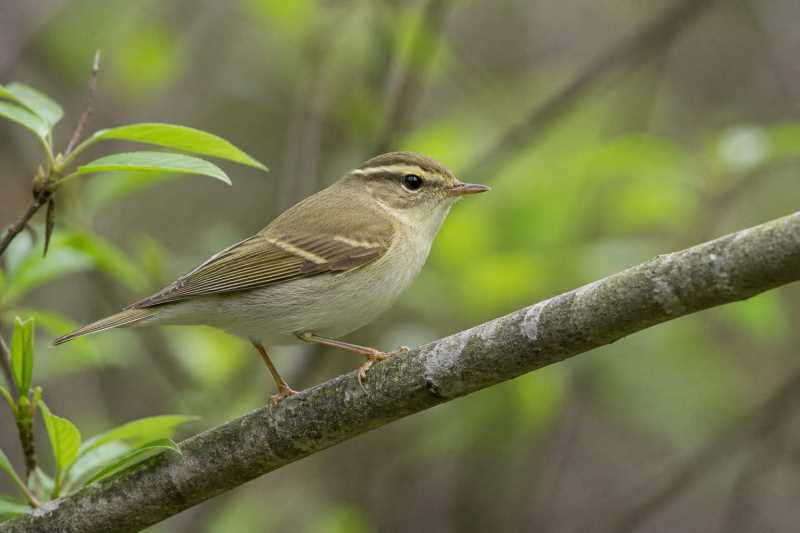
The Chinese Leaf Warbler belongs to the Phylloscopidae family, a group of birds commonly known as leaf warblers. This family is distinguished by their small size, greenish plumage, and distinctive vocalizations. Phylloscopus yunnanensis is particularly known for its understated elegance, featuring a predominantly greenish-olive back, pale underparts, and a delicate yellowish supercilium (eyebrow line) that provides a subtle contrast to its otherwise muted coloration.
One of the key challenges in studying this species is its close resemblance to other leaf warblers. However, the Chinese Leaf Warbler can be distinguished by its unique song, a series of high-pitched, melodious notes that are both intricate and haunting. Birdwatchers often rely on auditory cues to identify this elusive species in the dense foliage it prefers.
Habitat and Distribution
The Chinese Leaf Warbler is primarily found in the montane forests of China, with its range extending into parts of Myanmar, Vietnam, and Laos. Preferring altitudes between 1,500 to 3,000 meters, it thrives in coniferous and mixed woodlands, where it forages for insects among the foliage. These habitats provide both food and shelter, contributing to the warbler’s survival and reproductive success.
Despite its relatively restricted range, the Chinese Leaf Warbler is not currently considered threatened. However, habitat loss due to logging and agricultural expansion poses a potential risk. Conservation efforts are essential to ensure the preservation of its natural habitat, which is vital for maintaining the ecological balance of the regions it inhabits.
Behavior and Ecology
Like many other warblers, the Chinese Leaf Warbler is an insectivore, feeding primarily on small insects and spiders. It employs a methodical approach to foraging, moving through the foliage with agility and precision. During the breeding season, these birds become particularly vocal, with males singing to establish territory and attract mates.
The breeding behavior of the Chinese Leaf Warbler is characterized by its monogamous nature. Nesting typically occurs in dense undergrowth, where the female constructs a cup-shaped nest from grasses and leaves. Clutch sizes generally range from three to five eggs, with both parents involved in feeding and caring for the young. The breeding season, which coincides with the period of peak insect abundance, plays a crucial role in ensuring the survival of the offspring.
Conservation and Research
While the Chinese Leaf Warbler is not currently listed as endangered, ongoing research and monitoring are essential. Conservationists emphasize the importance of preserving its montane forest habitat, which is under pressure from human activities. Efforts to protect these ecosystems not only benefit the Chinese Leaf Warbler but also the myriad other species that share its habitat.
In recent years, technological advancements have enhanced our understanding of this elusive bird. Bioacoustic monitoring, for example, allows researchers to study its vocalizations in greater detail, providing insights into its behavior and communication. Such tools are invaluable in developing conservation strategies and raising awareness about the importance of biodiversity.
Conclusion
The Chinese Leaf Warbler may not be the most conspicuous bird in its range, but its subtle charm and ecological significance cannot be overstated. As we continue to explore the rich biodiversity of the montane forests of Asia, the Chinese Leaf Warbler serves as a reminder of the intricate interconnections within our ecosystems.
By fostering a deeper appreciation for such species and their habitats, we can take meaningful steps towards conserving the natural world. The Chinese Leaf Warbler, with its delicate beauty and complex behaviors, is a small but significant piece of the global biodiversity puzzle.
In conclusion, the Chinese Leaf Warbler is a remarkable example of nature’s subtlety and complexity, deserving of both our attention and our protection. As stewards of the environment, it is our responsibility to ensure that this enchanting bird continues to thrive in its natural habitat for generations to come.
Related posts