The Polynesian Ground Dove: A Jewel of the Pacific
The Polynesian Ground Dove (Pampusana erythroptera), also known as the Tuamotu Ground Dove, is a rare and fascinating bird, nestled within the vibrant tapestry of the Pacific’s biodiversity. This elusive species offers insight into the unique ecological dynamics of the islands it inhabits, while also highlighting the pressing conservation challenges faced by island ecosystems.
Overview and Distribution
The Polynesian Ground Dove is endemic to the Tuamotu Archipelago in French Polynesia. Historically, it was more widely distributed across the Pacific islands, but its range has dramatically contracted due to human activity and invasive species. Today, the remaining populations are primarily found on a few uninhabited islands, such as Rangiroa, where conservation efforts are most concentrated.
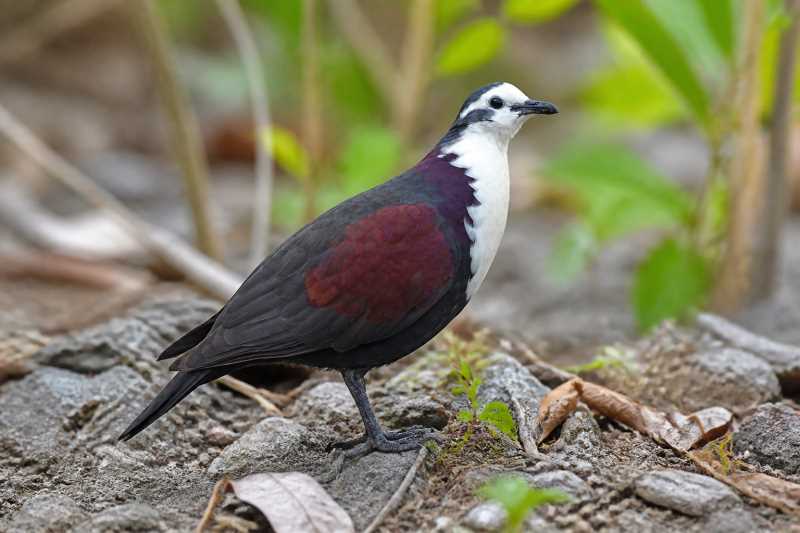
With a length of approximately 24 cm, the Polynesian Ground Dove is a relatively small bird. It is characterized by its striking plumage: males typically display a combination of iridescent green and purple feathers, with a contrasting white head and breast. Females, while less vivid, possess a subtle beauty with their brownish-grey tones and delicate patterning.
Habitat and Behavior
The Polynesian Ground Dove prefers dense, low-lying forest habitats, often shrouded by an understory of shrubs and ferns. These environments provide essential cover from predators and an abundant supply of their preferred diet of seeds and small invertebrates.
Ground-dwelling by nature, these doves are known for their shy and secretive behavior. They can be quite elusive, often heard rather than seen, as they emit a soft, cooing call that echoes through the forest. This behavior has made them a challenge to study, contributing to the difficulty in assessing population sizes and trends.
Conservation Status and Challenges
The International Union for Conservation of Nature (IUCN) currently classifies the Polynesian Ground Dove as Critically Endangered. The population is believed to number fewer than 250 mature individuals, making it one of the most endangered bird species in the world.
The primary threats to the Polynesian Ground Dove are habitat destruction and the introduction of invasive species. Human settlement and agricultural activities have led to significant habitat loss across the Tuamotus. Additionally, invasive predators such as rats, cats, and pigs pose a significant threat, preying on eggs and young birds.
Conservation initiatives are underway to address these challenges. Efforts are focused on habitat restoration and the eradication of invasive species on key islands. Protected areas have been established, and there is ongoing research to monitor populations and better understand the ecological needs of the species.
Importance of Conservation
The plight of the Polynesian Ground Dove underscores the broader conservation challenges facing island ecosystems. Islands are often home to unique species that have evolved in isolation, making them particularly vulnerable to changes in their environment. The loss of any island species can have cascading effects, disrupting ecological balances and diminishing biodiversity.
Protecting the Polynesian Ground Dove is not just about saving a single species; it is about preserving the intricate web of life that supports countless other organisms. By safeguarding their habitats, we also protect the myriad of other species that coexist within these ecosystems.
Conclusion
The Polynesian Ground Dove is a symbol of the delicate and precious nature of island biodiversity. Conservation efforts must continue and expand to ensure the survival of this remarkable bird. By working together, local communities, governments, and conservation organizations can implement effective strategies to protect and restore the natural habitats of the Tuamotu Archipelago.
The preservation of the Polynesian Ground Dove is a testament to our commitment to safeguarding the planet’s natural heritage. It serves as a reminder of the urgent need to address the threats facing our planet’s most vulnerable ecosystems and the species that call them home.
Related posts