Introduction
The Sumatran Shrew-like Mouse, scientifically known as Mus crociduroides, is a small, elusive mammal that inhabits the dense forests of Sumatra. This unique species, often overshadowed by its more prominent rodent relatives, plays a crucial role in the ecosystem of its native habitat. Despite its name, the Sumatran Shrew-like Mouse is not a shrew but a member of the rodent family, characterized by its distinctive morphological features and ecological behaviors.
Understanding the Sumatran Shrew-like Mouse is essential for conservationists and researchers due to its limited range and the increasing threats it faces. This article delves into the intriguing aspects of this species, including its physical characteristics, habitat preferences, behavior, diet, and conservation status.
Physical Description
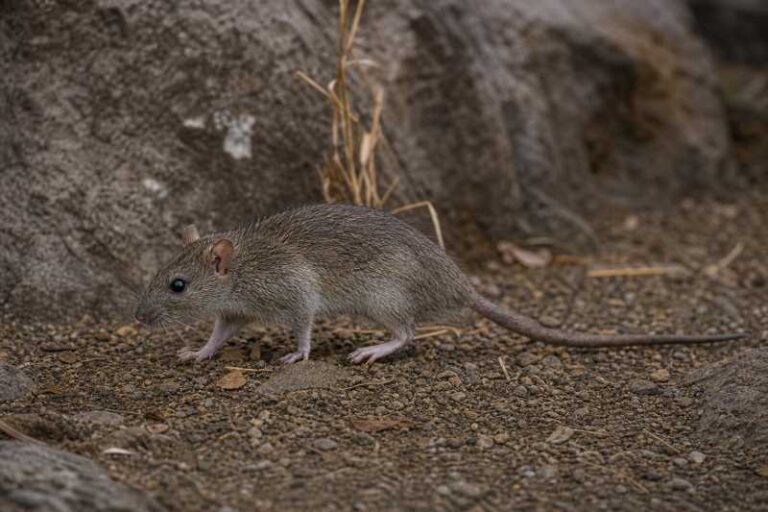
The Sumatran Shrew-like Mouse is a small-sized rodent, typically measuring between 7 to 10 cm in body length, with a tail that is slightly shorter or of equal length. It exhibits a sleek and slender body, adapted for navigating through dense forest undergrowth. The fur of Mus crociduroides is soft and dense, predominantly greyish-brown on the dorsal side, providing effective camouflage against the forest floor.
The ventral side of the Sumatran Shrew-like Mouse is lighter, often a pale grey or off-white, which helps in thermoregulation. Its ears are relatively small and rounded, while the eyes are proportionately large, suggesting a nocturnal lifestyle. The whiskers are long and sensitive, aiding in navigation and foraging in the dark.
Range and Habitat
The Sumatran Shrew-like Mouse is endemic to the island of Sumatra in Indonesia. Its distribution is limited to the high-altitude regions of the island, particularly in montane and submontane forests. These habitats are characterized by dense vegetation, high humidity, and cooler temperatures, which are ideal for the mouse’s survival.
Within these forests, the mouse favors areas with thick leaf litter and abundant undergrowth, which provide both food resources and protection from predators. The species is particularly sensitive to habitat disturbance, making it a key indicator of forest health.
Behavior and Diet
Mus crociduroides is primarily nocturnal, spending most of its active hours foraging during the night. The diet of the Sumatran Shrew-like Mouse is omnivorous, consisting of insects, small invertebrates, seeds, and fruits. This varied diet allows it to adapt to the seasonal availability of food resources in its habitat.
Behaviorally, the Sumatran Shrew-like Mouse is solitary, with individuals maintaining exclusive territories. Scent marking is a common behavior used to establish and communicate territorial boundaries. The species is also known for its agility and speed, which are vital for escaping predators and navigating its complex environment.
Identification Tips (Field Recognition Cues)
Identifying the Sumatran Shrew-like Mouse in the field can be challenging due to its elusive nature and nocturnal habits. However, several field recognition cues can aid in its identification:
- Size and Shape: Look for a small, slender rodent with a relatively long tail.
- Fur Color: The greyish-brown dorsal fur and lighter ventral fur are key identifiers.
- Habitat: Found in dense, high-altitude forests with abundant leaf litter.
- Behavior: Nocturnal activity patterns and solitary behavior can help distinguish it from other rodents.
Conservation Status (with Threats and Protections)
The Sumatran Shrew-like Mouse is currently classified as Data Deficient by the International Union for Conservation of Nature (IUCN). This designation highlights the lack of comprehensive data on the species’ population size and distribution, complicating conservation efforts.
The primary threats to Mus crociduroides include habitat loss due to deforestation, agricultural expansion, and human encroachment. The degradation of forest ecosystems directly impacts the species’ survival by reducing available habitat and food resources.
Conservation efforts are focused on protecting the remaining montane and submontane forests of Sumatra. Initiatives include habitat restoration, legal protection of forest areas, and research programs aimed at gathering more data on the species’ ecology and distribution.
Frequently Asked Questions
1. What is the diet of the Sumatran Shrew-like Mouse?
The Sumatran Shrew-like Mouse has an omnivorous diet, primarily consuming insects, small invertebrates, seeds, and fruits. Its dietary flexibility allows it to adapt to the seasonal availability of food in its habitat.
2. Where can the Sumatran Shrew-like Mouse be found?
This species is endemic to the high-altitude montane and submontane forests of Sumatra, Indonesia. It prefers areas with dense vegetation and abundant leaf litter.
3. How does the Sumatran Shrew-like Mouse contribute to its ecosystem?
As an insectivore and seed disperser, the Sumatran Shrew-like Mouse plays a vital role in controlling insect populations and aiding in plant regeneration, contributing to the health and balance of its forest ecosystem.
4. What are the main threats to the Sumatran Shrew-like Mouse?
The primary threats include habitat loss due to deforestation, agricultural expansion, and human encroachment, which lead to a reduction in suitable habitat and food resources.
Related posts