Introduction
The Japanese Dormouse, scientifically known as Glirulus japonicus, is a fascinating small mammal native to Japan. Renowned for its endearing appearance and elusive nature, this species captivates naturalists and wildlife enthusiasts alike. As the sole representative of the genus Glirulus, the Japanese Dormouse holds a unique place in the diverse world of rodents. This article delves into the intriguing aspects of its physical description, habitat, behavior, and conservation status, offering a comprehensive overview of this remarkable creature.
Physical Description
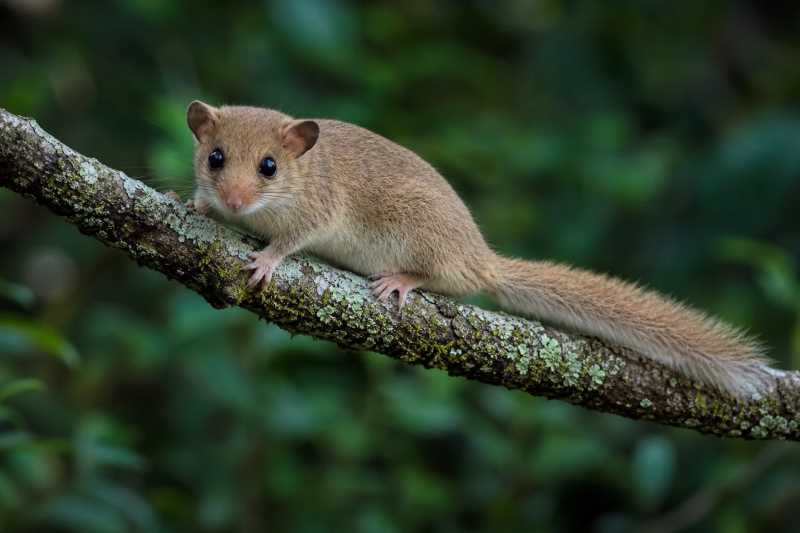
The Japanese Dormouse is a small, nocturnal rodent, typically measuring about 65 to 90 mm in head-body length, with a bushy tail that adds another 40 to 55 mm. Weighing between 14 to 40 grams, it possesses a dense, soft fur that ranges in color from a warm grayish-brown to a more vibrant reddish-brown, providing excellent camouflage in its arboreal habitat. Its large, dark eyes and rounded ears are adapted for nighttime activity, while its sharp claws and prehensile tail assist in climbing.
Range and Habitat
Endemic to Japan, the Japanese Dormouse is primarily found on the islands of Honshu, Shikoku, and Kyushu. This species thrives in deciduous and mixed forests, often at elevations between 500 and 2,000 meters. Its habitat preference includes areas with dense undergrowth and a rich canopy, which provide ample food resources and protection from predators. The dormouse constructs spherical nests in tree hollows or dense foliage, using materials such as leaves, moss, and bark.
Behavior and Diet
The Japanese Dormouse is predominantly nocturnal, emerging at dusk to forage for food. Its diet is omnivorous, consisting mainly of seeds, fruits, insects, and occasionally small invertebrates. Seasonally, it adjusts its dietary habits, often consuming more insects during spring and summer when they are abundant. This species is known for its hibernation behavior, entering a state of torpor during the cold winter months, relying on stored body fat to survive.
Identification Tips (Field Recognition Cues)
Identifying the Japanese Dormouse in the wild can be challenging due to its nocturnal and elusive nature. Key recognition cues include its small size, bushy tail, and distinctive fur coloration. Observers should also listen for its soft, high-pitched calls and look for nests in tree hollows or dense underbrush. Spotting these dormice is more likely at dusk or during the night when they are most active.
Conservation Status (With Threats and Protections)
The Japanese Dormouse is currently classified as "Least Concern" by the International Union for Conservation of Nature (IUCN). However, its population is facing pressures from habitat destruction and fragmentation due to urban development and deforestation. Conservation efforts include habitat protection and restoration projects, as well as public awareness campaigns to preserve the biodiversity of Japan’s forests. Legal protections are in place in certain regions to safeguard this unique species and its habitat.
Frequently Asked Questions
Why is this species unique?
The Japanese Dormouse is unique due to its status as the only member of the genus Glirulus. Its specialized arboreal lifestyle and hibernation patterns further distinguish it from other dormouse species.
How does the dormouse contribute to its ecosystem?
As both a seed disperser and a prey species, the Japanese Dormouse plays a vital role in maintaining the ecological balance of its forest habitat. Its foraging helps in seed distribution, contributing to plant diversity.
What are the main threats to the Japanese Dormouse?
The primary threats to the Japanese Dormouse include habitat destruction from logging, agriculture, and urban expansion. These activities lead to habitat fragmentation, making it difficult for the dormice to find food and mates.
How can conservation efforts help protect the Japanese Dormouse?
Conservation efforts focus on habitat preservation and restoration, legal protection, and public education. By maintaining and restoring forest habitats, these initiatives aim to secure a stable environment for the dormouse to thrive.
Related posts