Hooded Skunk (Mephitis macroura): An In-depth Guide
Introduction
The Hooded Skunk (Mephitis macroura) is a fascinating mammal that captivates wildlife enthusiasts and researchers alike. Known for its distinctive appearance and intriguing behaviors, this skunk species plays a crucial role in the ecosystems it inhabits. Found primarily in North and Central America, the Hooded Skunk is a nocturnal creature that thrives in a variety of environments, from arid deserts to lush forests. This article delves into the many facets of the Hooded Skunk, providing a comprehensive overview of its physical characteristics, habitat, behavior, and conservation status.
Physical Description
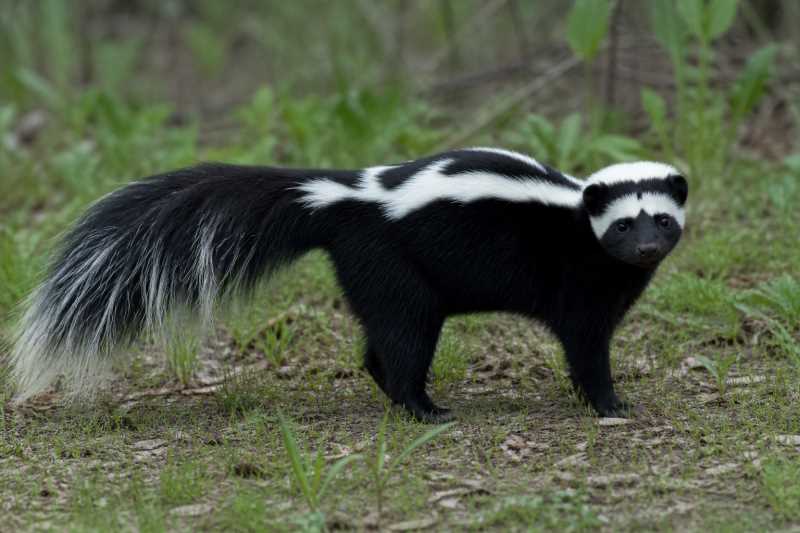
The Hooded Skunk is easily recognized by its unique coloration and size. It typically measures between 50 to 80 centimeters in total length, including its tail, and weighs around 1.5 to 3 kilograms. The species is characterized by a long, bushy tail and a distinctive "hood" of fur around its neck and shoulders. This hood varies in color, ranging from white to black, and contrasts with the skunk’s overall coat, which can be black, brown, or even cream-colored. The Hooded Skunk’s fur is longer and softer compared to other skunk species, providing an added layer of protection against the elements.
Range and Habitat
The Hooded Skunk is native to a wide range of areas in North and Central America. Its geographic range extends from the southwestern United States, including parts of Texas, New Mexico, and Arizona, down through Mexico and into Central America as far south as Nicaragua. This skunk is highly adaptable and can be found in diverse habitats, including deserts, grasslands, forests, and even urban areas. It tends to prefer environments that offer ample cover and food sources, such as riverbanks, canyons, and agricultural lands.
Behavior and Diet
As a nocturnal creature, the Hooded Skunk is most active during the night, spending its days in burrows or sheltered areas. It is a solitary animal, coming together with others primarily during the breeding season. The Hooded Skunk is omnivorous, with a diet that includes insects, small mammals, fruits, and plants. It is particularly fond of insects, which comprise a significant portion of its diet. This skunk also plays a vital role in controlling insect populations, benefiting the ecosystems it inhabits.
Identification Tips (Field Recognition Cues)
Identifying the Hooded Skunk in the field can be straightforward if one knows what to look for. The key identification features include:
- Distinctive Hood: Look for the characteristic "hood" of fur around the neck and shoulders, which may be white or black.
- Tail Features: A long, bushy tail that often has a contrasting color to the body.
- Size and Shape: Medium-sized body with a length ranging from 50 to 80 centimeters.
- Color Variations: The coat can be black, brown, or cream, often with a lighter stripe running down the back.
Conservation Status (With Threats and Protections)
The Hooded Skunk is currently listed as a species of Least Concern by the International Union for Conservation of Nature (IUCN). However, it faces several threats that could impact its populations. Habitat destruction due to urban expansion and agriculture poses a significant risk, as does road mortality. Additionally, Hooded Skunks are sometimes persecuted due to their perceived nuisance in urban areas. Conservation efforts focus on habitat protection and public education to reduce human-wildlife conflict. Laws in various regions protect them from hunting and capture, contributing to their stable population numbers.
Frequently Asked Questions
What do Hooded Skunks eat in the wild?
Hooded Skunks have a diverse diet that includes insects, small mammals, fruits, and plants. They play an essential role in controlling insect populations.
How can you tell a Hooded Skunk apart from other skunks?
The Hooded Skunk can be identified by its unique "hood" of fur and its long, bushy tail. Its coloration varies, but the hood is a distinctive feature.
Are Hooded Skunks dangerous to humans?
Hooded Skunks are not inherently dangerous but can spray a foul-smelling liquid when threatened. They generally avoid humans and are not aggressive.
Where do Hooded Skunks live?
They are found in North and Central America, from the southwestern United States to Nicaragua, thriving in diverse habitats like deserts, forests, and urban areas.
What is being done to protect Hooded Skunks?
Conservation efforts include habitat protection, legal protections against hunting, and public education to reduce human-wildlife conflict.
Related posts