The Olive Sunbird: A Jewel of African Avifauna
The Olive Sunbird (Cyanomitra olivacea) is a small passerine bird belonging to the nectar-loving sunbird family, Nectariniidae. As one of the most enchanting sunbirds, it captures the attention of ornithologists and bird enthusiasts alike with its vibrant plumage and remarkable ecological adaptations. This article explores the Olive Sunbird’s taxonomy, habitat, behavior, diet, reproduction, and conservation status, offering a comprehensive understanding of this fascinating species.
Taxonomy and Classification
The Olive Sunbird was first described by the ornithologist Gustav Hartlaub in 1854. The scientific name, Cyanomitra olivacea, reflects its distinctive olive-green plumage. It belongs to the genus Cyanomitra, which includes several other sunbird species. Sunbirds, in general, are small, slender passerines with curved bills adapted for nectar feeding.
Physical Description
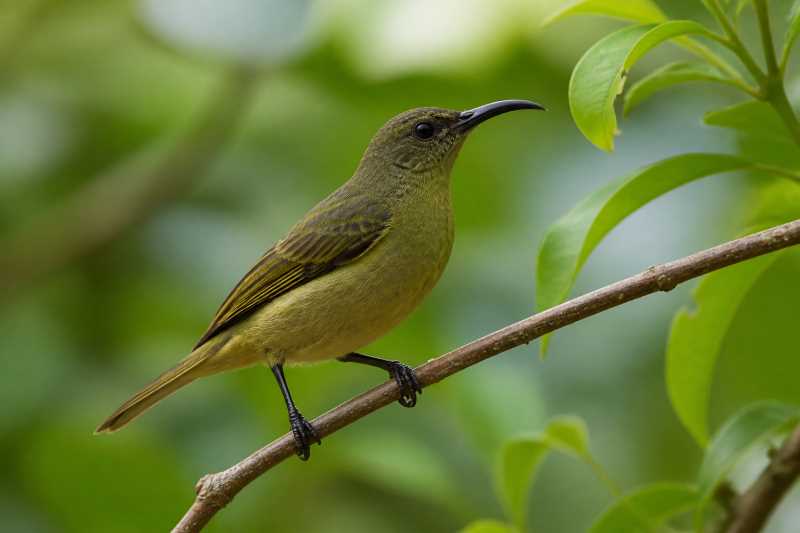
The Olive Sunbird is a small bird, measuring approximately 12 to 15 centimeters in length. Its most striking feature is its olive-green plumage, which covers most of its body. In contrast, the underparts are generally lighter, with a yellowish or whitish hue. Males and females appear similar, although males may have slightly more vibrant coloring.
One notable characteristic is the bird’s long, slender bill, which is perfectly adapted for extracting nectar from flowers. Its wings are short and rounded, facilitating agile flight among dense foliage, while its legs are strong and well-suited for perching.
Habitat and Distribution
The Olive Sunbird is predominantly found in sub-Saharan Africa. It thrives in a variety of habitats, including lowland tropical forests, mangroves, gardens, and plantations. This adaptability allows it to occupy a wide range of ecological niches, from coastal regions to more inland areas.
Countries where the Olive Sunbird is commonly found include Kenya, Tanzania, Uganda, Nigeria, and Cameroon, among others. While it is primarily a resident species, some populations may exhibit local movements in response to flowering patterns and food availability.
Behavior and Ecology
Olive Sunbirds are diurnal and highly active, spending much of their time foraging for nectar, insects, and spiders. Their feeding behavior is characterized by rapid, darting movements as they hover in front of flowers or probe blossoms with their bills.
These birds are also known for their melodious songs, which consist of a series of high-pitched whistles and trills. Males often sing to establish territories and attract mates, while their calls serve as a means of communication between pairs and family groups.
Diet
The Olive Sunbird’s diet is primarily composed of nectar, making it an essential pollinator for many flowering plants. Its long, curved bill and brush-tipped tongue are specialized for nectar extraction. However, nectar alone does not fulfill all its nutritional needs, so it supplements its diet with insects and spiders, particularly during the breeding season when protein requirements are higher.
The bird’s role as a pollinator is vital for maintaining the health of its ecosystem. By transferring pollen from flower to flower, it contributes to plant reproduction and biodiversity.
Reproduction and Lifespan
Breeding in Olive Sunbirds is typically timed to coincide with periods of abundant food supply, often linked to the flowering cycles of trees and shrubs. The breeding season can vary geographically, but it generally occurs during the wet season when resources are plentiful.
The female Olive Sunbird is primarily responsible for nest building. She constructs a small, cup-shaped nest using plant fibers, leaves, and spider webs. The nest is usually suspended from a thin branch or tucked into dense foliage, providing camouflage from predators.
A typical clutch consists of two to three eggs, which the female incubates for about two weeks. Both parents participate in feeding the chicks, which fledge approximately two to three weeks after hatching. The lifespan of an Olive Sunbird in the wild can range from 5 to 10 years, although this can vary depending on environmental conditions and predation pressures.
Conservation Status
The Olive Sunbird is currently classified as a species of Least Concern by the International Union for Conservation of Nature (IUCN). This status reflects its relatively large and stable population, as well as its wide distribution across sub-Saharan Africa.
However, like many avian species, the Olive Sunbird faces threats from habitat loss due to deforestation and land conversion for agriculture. Climate change also poses a potential risk by altering flowering patterns and affecting food availability. Conservation efforts aimed at preserving natural habitats and promoting sustainable land use practices are essential to ensuring the long-term survival of this species.
Conclusion
The Olive Sunbird is a remarkable example of nature’s adaptability and beauty. Its vibrant plumage, specialized feeding habits, and ecological significance make it a fascinating subject for study and admiration. While currently not at risk of extinction, continued conservation efforts are necessary to protect its habitat and ensure that future generations can enjoy the presence of this avian gem.
Through understanding and appreciating the Olive Sunbird, we gain insight into the complex interdependencies within ecosystems and the importance of conserving biodiversity. As stewards of the planet, it is our responsibility to safeguard the natural world for the benefit of all its inhabitants.
By fostering a deeper connection with species like the Olive Sunbird, we can inspire collective action to preserve the delicate balance of our ecosystems.
Related posts