Introduction
Handley’s Myotis, scientifically known as Myotis handleyi, is a fascinating bat species that belongs to the family Vespertilionidae. These small, agile mammals have captured the interest of biologists and conservationists due to their unique characteristics and relatively limited distribution. First described in the late 20th century, Handley’s Myotis is named in honor of the prominent American mammalogist Charles Overton Handley Jr., whose work significantly contributed to the field of mammalogy. This article delves into various aspects of Handley’s Myotis, exploring its physical features, habitat preferences, behavior, and conservation status.
Physical Description
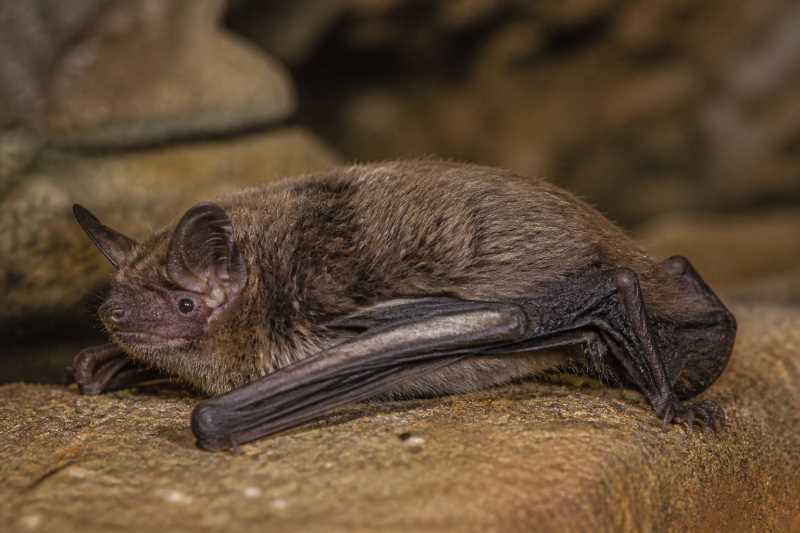
Handley’s Myotis is a small bat, characterized by its delicate features and subtle coloration. Adults typically weigh between 4 to 8 grams and have a wingspan ranging from 25 to 30 centimeters. The fur of Handley’s Myotis is generally a muted brown or gray, providing excellent camouflage against tree bark and cave walls. Its dorsal side is slightly darker than the ventral side, which is paler and often cream-colored.
The wings of Handley’s Myotis are long and narrow, adaptations that enable agile flight and quick maneuvering through dense forests or caves. The ear size is moderate, with a tragus that is long and pointed, a common feature in the genus Myotis. The species features a keeled calcar, which is a distinctive bony projection that aids in flight control.
Range and Habitat
Handley’s Myotis is predominantly found in the Neotropical region, with its range primarily concentrated in Central and South America. The species is known to inhabit countries such as Colombia, Venezuela, and Panama, although its full distribution is not completely mapped due to the bat’s elusive nature and the challenges of surveying remote locations.
This bat species favors a variety of habitats, including tropical rainforests, cloud forests, and montane regions. Handley’s Myotis is often associated with forested areas near water bodies, such as rivers or streams, which provide abundant insect prey and roosting opportunities. Caves, hollow trees, and abandoned buildings serve as common roosting sites, offering shelter and protection from predators.
Behavior and Diet
Handley’s Myotis is primarily nocturnal, emerging at dusk to forage for food. Its diet consists mainly of insects, making it an essential component of the ecosystem as a natural pest control agent. The bat employs echolocation to navigate and capture prey, emitting high-frequency calls that bounce off objects and return as echoes, allowing it to detect and locate insects with remarkable precision.
Social behavior varies among populations of Handley’s Myotis, with some individuals forming small colonies while others are more solitary. Roosting behavior is influenced by environmental conditions, such as temperature and humidity, as well as the availability of suitable roost sites.
Identification Tips (Field Recognition Cues)
Identifying Handley’s Myotis in the field requires careful observation and consideration of several key features:
- Size and Shape: Look for a small bat with a wingspan of 25 to 30 cm and a body weight of 4 to 8 grams.
- Fur Color: Note the muted brown or gray fur, with a darker dorsal side and a lighter, cream-colored ventral side.
- Ears and Tragus: Observe the moderate-sized ears and the long, pointed tragus.
- Flight Patterns: Watch for agile flight with quick maneuvers, often close to water or forest edges.
- Roosting Habits: Handley’s Myotis typically roosts in caves, hollow trees, or abandoned structures.
Conservation Status (With Threats and Protections)
Handley’s Myotis is currently listed as "Near Threatened" by the International Union for Conservation of Nature (IUCN). The primary threats to this species include habitat loss and degradation due to deforestation, agricultural expansion, and urban development. Additionally, climate change poses a significant threat by altering the availability of suitable habitats and prey abundance.
Conservation efforts for Handley’s Myotis focus on habitat protection and restoration. Establishing protected areas and promoting sustainable land-use practices are crucial for preserving the natural habitats of this species. Research initiatives aimed at better understanding the ecology and distribution of Handley’s Myotis are also vital for informing conservation strategies.
Frequently Asked Questions
What is the primary diet of Handley’s Myotis?
Handley’s Myotis primarily feeds on insects, utilizing echolocation to hunt and capture prey with high efficiency. This diet helps control insect populations, benefiting agricultural areas by reducing pest numbers naturally.
Where can I find Handley’s Myotis?
Handley’s Myotis is found in the Neotropical regions of Central and South America, particularly in countries like Colombia, Venezuela, and Panama. They inhabit tropical rainforests, cloud forests, and areas near water sources.
How does Handley’s Myotis contribute to its ecosystem?
As an insectivorous bat, Handley’s Myotis plays a crucial role in controlling insect populations, thus contributing to the ecological balance. Additionally, their guano serves as a nutrient source for cave ecosystems.
What are the main threats to Handley’s Myotis?
The primary threats to Handley’s Myotis include habitat loss due to deforestation, agricultural expansion, urban development, and the impacts of climate change, which can alter their habitat and food availability.
How can we help conserve Handley’s Myotis?
Conservation of Handley’s Myotis can be supported by protecting and restoring their natural habitats, promoting sustainable land-use practices, and supporting research initiatives aimed at understanding and preserving the species.
Related posts