Introduction
Gressitt’s Mosaic-tailed Rat, scientifically known as Paramelomys gressitti, is a unique and fascinating species of rodent that inhabits the lush rainforests of Papua New Guinea. Named in honor of the renowned entomologist Dr. J. Linsley Gressitt, this species is a member of the Muridae family, which includes many other rodents such as mice and rats. The Gressitt’s Mosaic-tailed Rat is a lesser-known species, yet it plays a significant role in its ecosystem as both a seed disperser and a prey species for larger predators.
Physical Description
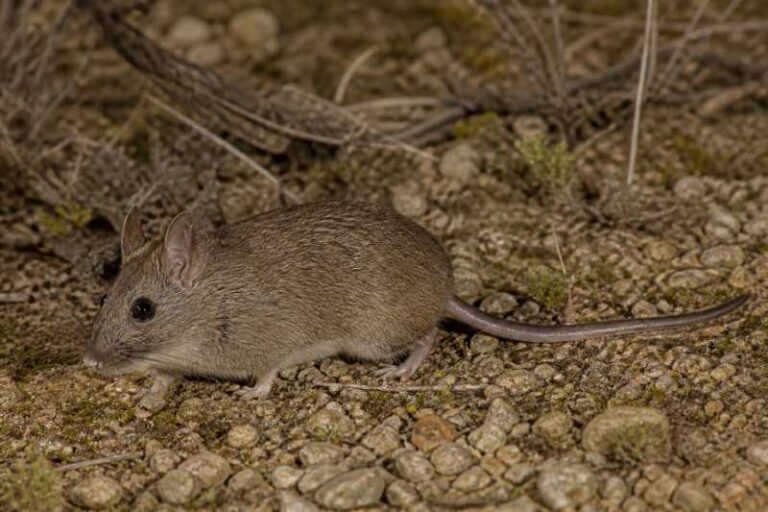
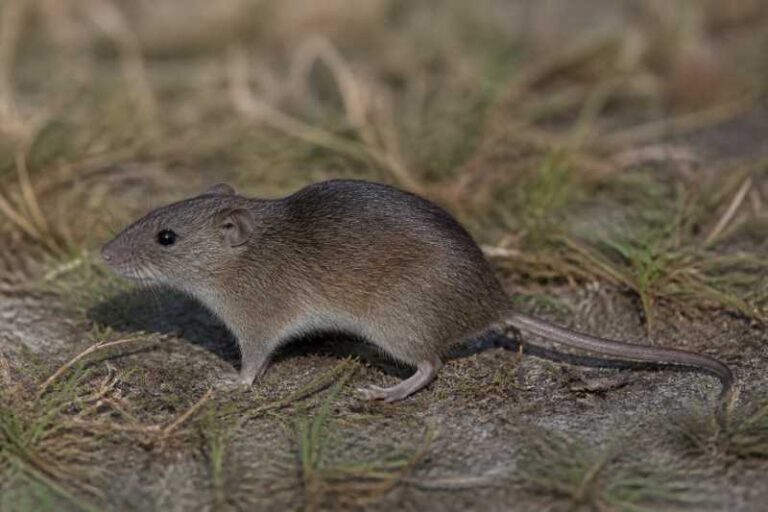
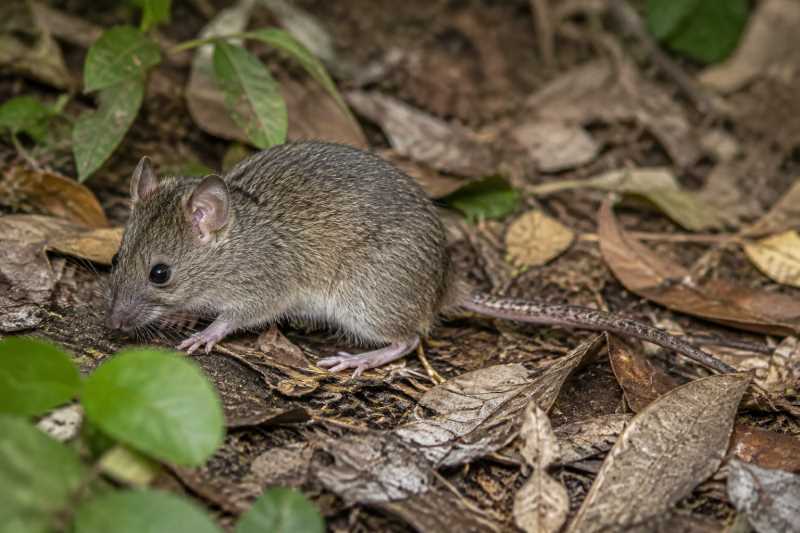
The Gressitt’s Mosaic-tailed Rat is a small to medium-sized rodent characterized by its distinctive tail, which is not only long but also features a unique scale-like pattern. This mosaic pattern is a defining characteristic of the species, giving it its common name. The body length of the Gressitt’s Mosaic-tailed Rat typically ranges from 12 to 18 centimeters, with the tail adding an additional 11 to 15 centimeters. The fur is generally soft and dense, with a coloration that can vary from a grayish-brown to a more vibrant reddish-brown, providing excellent camouflage against the forest floor. The underbelly is usually a lighter shade, often white or cream-colored, which contrasts with the darker dorsal fur.
Range and Habitat
Gressitt’s Mosaic-tailed Rat is endemic to the island of New Guinea, specifically found in the northern regions of Papua New Guinea. This species thrives in tropical rainforest environments, where the dense foliage and diverse plant life offer ample food sources and shelter. These rats are typically found at elevations ranging from sea level to about 1,500 meters, though they are more commonly observed in mid-elevation forests. The dense canopy and rich undergrowth provide an ideal habitat for foraging and nesting.
Behavior and Diet
Gressitt’s Mosaic-tailed Rat is primarily nocturnal, spending most of its active hours during the night when it forages for food. Its diet is omnivorous, consisting of a variety of seeds, fruits, leaves, and small invertebrates. This diverse diet not only helps maintain the rodent’s energy levels but also plays a crucial role in seed dispersal within its habitat, contributing to the regeneration and diversity of plant life in the rainforest. In terms of social behavior, these rats are generally solitary, with individuals maintaining their own territories. However, they may occasionally be observed in small groups, particularly when food sources are abundant.
Identification Tips (Field Recognition Cues)
When trying to identify Gressitt’s Mosaic-tailed Rat in the field, there are several key characteristics to look for:
- Tail Pattern: The most distinctive feature is the mosaic pattern on the tail, which is unique to this species.
- Fur Coloration: Look for the characteristic grayish-brown or reddish-brown fur with a lighter underbelly.
- Size: Note the overall body length of 12 to 18 centimeters and a tail length of 11 to 15 centimeters.
- Behavior: Observe nocturnal activity patterns and solitary behavior, which can be indicative of this species.
Conservation Status (with Threats and Protections)
As of the latest assessments, Gressitt’s Mosaic-tailed Rat is not classified as endangered or threatened. However, like many species in Papua New Guinea, it faces potential threats from habitat destruction due to logging, agriculture, and human encroachment. The preservation of its rainforest habitat is crucial for the continued survival of this species. Conservation efforts in the region focus on establishing protected areas and promoting sustainable land-use practices. Continued research and monitoring are essential to ensure that any changes in population trends are swiftly addressed.
Frequently Asked Questions
What is the habitat of Gressitt’s Mosaic-tailed Rat? Gressitt’s Mosaic-tailed Rat inhabits the tropical rainforests of Papua New Guinea, thriving in dense, mid-elevation forests.
How can you identify Gressitt’s Mosaic-tailed Rat? Identification is based on its unique mosaic-patterned tail, grayish-brown or reddish-brown fur, and nocturnal behavior.
Is Gressitt’s Mosaic-tailed Rat endangered? Currently, it is not endangered, but habitat destruction poses a potential threat to its population.
What does Gressitt’s Mosaic-tailed Rat eat? It has an omnivorous diet, feeding on seeds, fruits, leaves, and small invertebrates.
Why is the Gressitt’s Mosaic-tailed Rat important to its ecosystem? It plays a vital role in seed dispersal, contributing to plant diversity and forest regeneration.
Related posts