Introduction
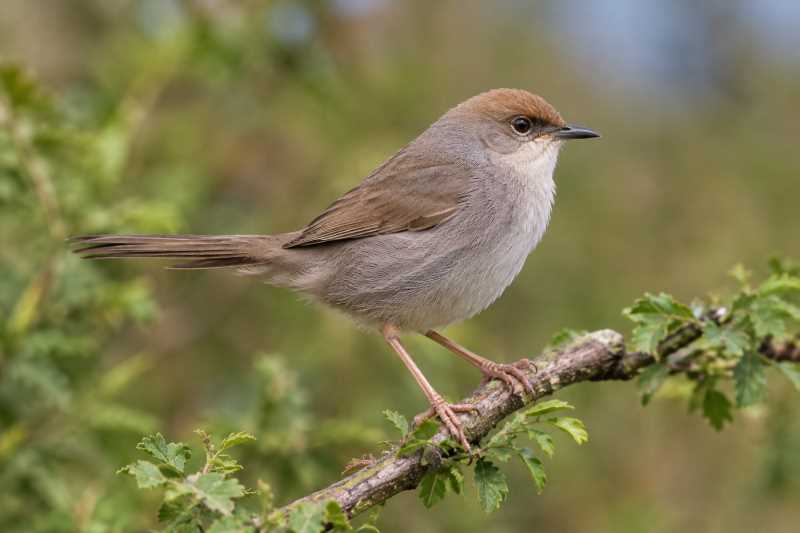
Chubb’s Cisticola, scientifically named Cisticola chubbi, is a small passerine bird belonging to the Cisticolidae family. This species is known for its distinctive vocalizations and is generally found across several African countries. Chubb’s Cisticola is an intriguing subject for ornithologists and bird enthusiasts alike, due to its unique behaviors and adaptations to its environment. This article delves into the various aspects of Chubb’s Cisticola, including its habitat, behavior, diet, and conservation status.
Taxonomy and Identification
The Chubb’s Cisticola is part of the large genus Cisticola, which includes over 50 species. These birds are often characterized by their small size, subtly hued plumage, and complex songs. Cisticola chubbi was named in honor of Charles Chubb, a British ornithologist.
Identifying a Chubb’s Cisticola can be challenging due to its resemblance to other Cisticola species. It typically measures around 11 centimeters in length and displays a predominantly brown plumage with a slightly paler underbelly. The tail is relatively short with distinctive black and white markings. One of its most recognizable features is its song, which is a series of rapid and repetitive notes that vary slightly depending on its geographic location.
Habitat and Distribution
Chubb’s Cisticola has a widespread distribution across central and eastern Africa. It is primarily found in countries such as Uganda, Rwanda, Burundi, and the Democratic Republic of the Congo. The species favors highland habitats, thriving in grasslands, shrublands, and areas with abundant vegetation.
This bird is well adapted to altitudes ranging from 1,500 to 3,500 meters. Its preference for high-altitude grasslands and montane forests makes it a species of interest in studying ecological adaptations to varied environments.
Behavior and Ecology
Chubb’s Cisticola is a diurnal bird, mostly active during the day. It is known for its elaborate courtship display, involving both vocal and physical displays. Males are particularly vocal during breeding season, using their song to attract females and establish territory.
These birds are typically seen solitary or in pairs, rarely forming large flocks. They are territorial and will often engage in displays or chases to defend their area from intruders. The species is an insectivore, feeding primarily on small insects, spiders, and occasionally seeds, which they forage from the ground or low vegetation.
Breeding and Nesting
The breeding season of Chubb’s Cisticola varies by region but generally coincides with the rainy season when food is abundant. The nest is a remarkable structure, typically a small, dome-shaped construction made from grasses and leaves, cleverly camouflaged among the surrounding vegetation. The female is responsible for the majority of the nest building.
Clutch size usually consists of two to four eggs, which are incubated solely by the female. The incubation period lasts about two weeks, and after hatching, the female continues to rear the chicks with some assistance from the male, especially in feeding.
Vocalizations
Perhaps one of the most distinctive features of Chubb’s Cisticola is its vocalizations. The bird’s call is a series of rapid, high-pitched notes that can be heard over long distances. These calls are not only used for attracting mates but also play a crucial role in territorial defense.
The complexity of their songs varies, with some populations exhibiting more intricate calls than others. This variation is likely due to geographic isolation and adaptation to local environmental conditions.
Conservation Status
Currently, Chubb’s Cisticola is classified as ‘Least Concern’ by the International Union for Conservation of Nature (IUCN). Despite its relatively stable population, the bird faces threats from habitat destruction due to agriculture and human encroachment. Conservation efforts are essential to ensure that its habitats are preserved.
Conclusion
Chubb’s Cisticola is a fascinating species that offers insight into the adaptability and resilience of birds in varied ecosystems. Its complex vocalizations and unique behaviors make it an exciting subject of study. Continued research and conservation efforts are crucial to protect this species and its environment for future generations to appreciate.
References
- BirdLife International. (2021). Cisticola chubbi (Chubb’s Cisticola). The IUCN Red List of Threatened Species.
- Ryan, P. (2006). Family Cisticolidae (Cisticolas and Allies). In J. del Hoyo, A. Elliott, & D. Christie (Eds.), Handbook of the Birds of the World, Vol. 11.
- Zimmerman, D. A., Turner, D. A., & Pearson, D. J. (1996). Birds of Kenya and Northern Tanzania. Princeton University Press.
Related posts