The Elusive Mount Kupe Bushshrike: A Jewel of Biodiversity
The Mount Kupe Bushshrike, known scientifically as Chlorophoneus kupeensis, is a captivating bird species that has captured the attention of ornithologists and bird enthusiasts around the globe. This elusive bird, endemic to the montane forests of Cameroon, is a symbol of the rich biodiversity found in Central Africa. In this article, we delve into the unique characteristics, habitat, conservation status, and the ecological significance of the Mount Kupe Bushshrike.
Physical Characteristics
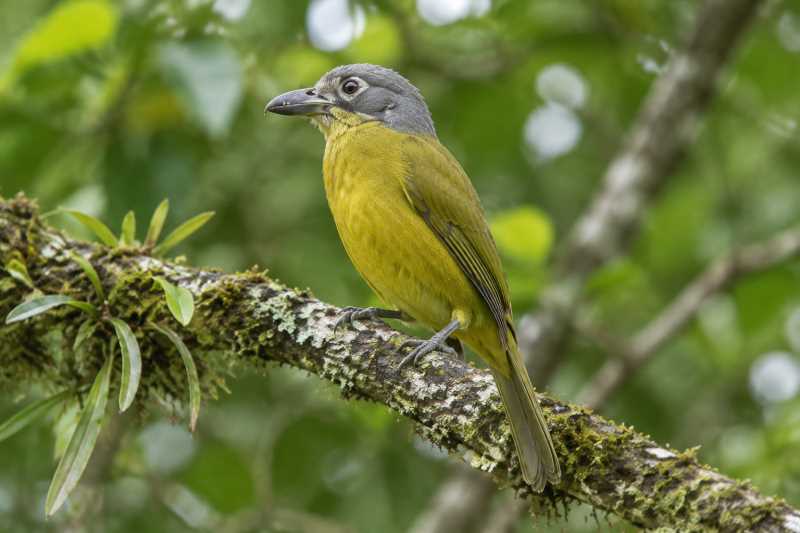
The Mount Kupe Bushshrike is a medium-sized bird, exhibiting a striking combination of colors that make it a visual delight. The bird’s plumage is predominantly green, providing excellent camouflage in its forest habitat. This green is beautifully contrasted by a vibrant yellow belly and a distinctive black cap that extends down to the eyes, giving it an elegant appearance. The bushshrike also boasts a robust, slightly hooked bill, an adaptation that aids in its insectivorous diet.
Habitat and Distribution
This remarkable bird species is restricted to a very limited range, found primarily in the montane forests of the Bamenda Highlands, including the Mount Kupe and Bakossi mountains in Cameroon. The dense, humid forests at elevations between 800 and 2,000 meters provide the perfect environment for the Mount Kupe Bushshrike. These forests are characterized by a rich diversity of plant species, offering an abundance of food and nesting sites.
The Mount Kupe Bushshrike’s habitat preferences make it a highly specialized species, adapted to a narrow ecological niche. This specialization, however, also renders it vulnerable to changes in its environment, making it a species of significant conservation concern.
Behavior and Diet
The Mount Kupe Bushshrike is primarily insectivorous, feeding on a variety of insects and other small invertebrates. Its foraging behavior is both fascinating and efficient, as it skillfully navigates through the foliage, using its keen eyesight to spot prey. The bird is known for its solitary nature, often seen alone or in pairs rather than in flocks. During the breeding season, the bushshrike becomes more vocal, with its distinctive calls echoing through the forest canopy.
The breeding behavior of the Mount Kupe Bushshrike is not extensively documented, largely due to its elusive nature and the inaccessibility of its habitat. However, it is known to construct nests in dense vegetation, where it lays a small clutch of eggs.
Conservation Status
The Mount Kupe Bushshrike is currently listed as Endangered on the IUCN Red List of Threatened Species. The primary threat to its survival is habitat loss due to deforestation, driven by agricultural expansion, logging, and human settlement. The restricted range of the bird exacerbates its vulnerability, as any alteration to its habitat can have significant impacts on its population.
Conservation efforts are crucial to ensuring the survival of this unique species. Initiatives aimed at preserving its habitat, such as the establishment of protected areas and community-based conservation programs, are vital. Additionally, raising awareness about the ecological value of the Mount Kupe Bushshrike and the threats it faces can galvanize local and international support for its conservation.
Ecological Significance
The Mount Kupe Bushshrike plays a crucial role in the ecosystem of the montane forests of Cameroon. As an insectivore, it helps control insect populations, contributing to the ecological balance within its habitat. Furthermore, the presence of this bird is indicative of the health of the forest ecosystem, as it relies on a pristine environment to thrive.
The bird’s conservation is not just about preserving a single species but also about maintaining the integrity of the entire ecosystem. Protecting the Mount Kupe Bushshrike ensures the survival of countless other species that share its habitat, many of which are also endemic and threatened.
Conclusion
The Mount Kupe Bushshrike is more than just a bird; it is a symbol of the rich biodiversity and natural heritage of Central Africa. Its vibrant plumage, unique behaviors, and ecological role make it a species worth preserving. As we strive to protect this remarkable bird, we also safeguard the intricate web of life that it represents. Conservation efforts must continue to be prioritized to ensure that future generations can also marvel at the beauty and wonder of the Mount Kupe Bushshrike.
In conclusion, the Mount Kupe Bushshrike serves as a poignant reminder of the fragility and interconnectedness of our planet’s ecosystems. By championing its conservation, we take a significant step towards sustaining the biodiversity that sustains us all.
Related posts