Introduction
The Broad-faced Deermouse, scientifically known as Peromyscus megalops, is a captivating mammalian species that plays a significant role in its ecosystem. These small rodents are part of the Cricetidae family and are known for their adaptability and resilience in various environments. The study of the Broad-faced Deermouse offers valuable insights into ecological balance and biodiversity. This article delves into the physical characteristics, habitat, behavior, and conservation status of this intriguing species, providing a comprehensive understanding of its role in the wild.
Physical Description
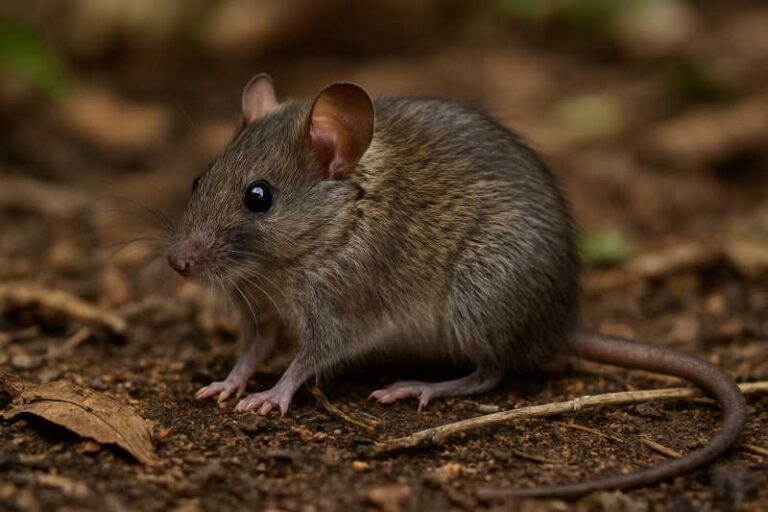
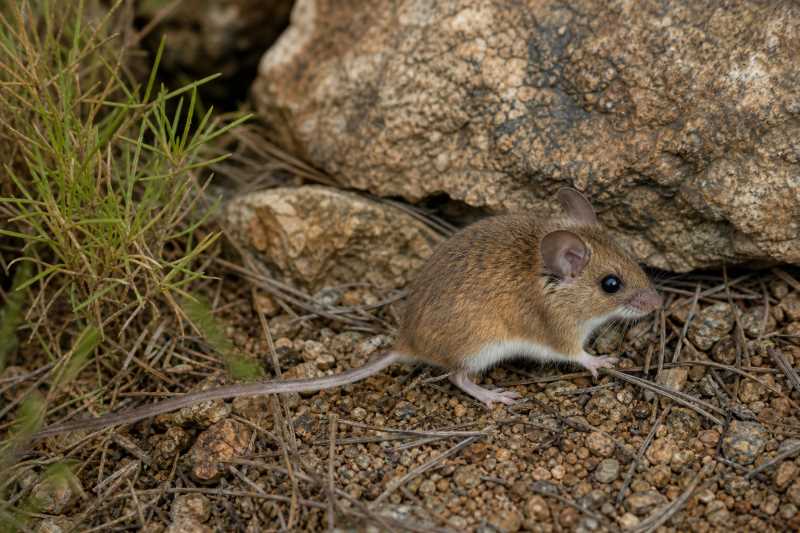
The Broad-faced Deermouse is distinguished by its broad facial structure, which sets it apart from other members of the Peromyscus genus. Typically, these mice have a body length ranging from 7 to 10 centimeters, with a tail that adds an additional 6 to 10 centimeters. The average weight of a Broad-faced Deermouse is about 15 to 25 grams.
Their fur is generally soft and dense, with a color palette that includes shades of gray, brown, and white. The dorsal side is usually darker, providing them with a natural camouflage against predators, while the ventral side is lighter. Their large, rounded ears and prominent eyes are adaptations that enhance their nocturnal lifestyle, allowing them to detect predators and forage efficiently at night.
Range and Habitat
Broad-faced Deermice are primarily found in the southwestern United States and parts of Mexico. Their range extends across varied terrains, including desert regions, grasslands, and forested areas. They are highly adaptable and can thrive in diverse environments, from arid deserts to lush deciduous forests.
In terms of habitat, these deermice prefer areas that offer ample cover and food resources. They often inhabit regions with dense vegetation, which provides protection from predators and harsh weather conditions. Their burrowing behavior allows them to create nests in the ground, beneath rocks, or within fallen logs, where they can store food and rear their young.
Behavior and Diet
The Broad-faced Deermouse is primarily nocturnal, with peak activity occurring during the night. This nocturnal lifestyle helps them avoid daytime predators and exploit the cooler temperatures of the night. Socially, they are relatively solitary creatures, although they do engage in communal nesting during colder months to conserve warmth.
Their diet is omnivorous, consisting of seeds, fruits, and insects. They play a crucial role in seed dispersal, which aids in the propagation of various plant species. During times of food scarcity, they exhibit opportunistic feeding behaviors, consuming whatever resources are available.
Identification Tips (Field Recognition Cues)
Recognizing a Broad-faced Deermouse in the field requires attention to several key characteristics:
- Facial Structure: Look for their distinct broad face compared to other deermice.
- Size and Weight: They are moderate-sized, with a body length of 7-10 cm and a weight of 15-25 grams.
- Fur Color: Note the gray to brown dorsal fur and lighter ventral side.
- Ears and Eyes: Their large ears and eyes are adapted for nocturnal activity.
- Tail Length: Their tail is relatively long, often matching their body length.
Conservation Status (with Threats and Protections)
As of the latest assessments, the Broad-faced Deermouse is not listed as endangered or vulnerable. However, like many species, they face threats from habitat destruction, climate change, and human encroachment. Urbanization and agricultural expansion are leading causes of habitat loss, which can disrupt their populations.
Conservation efforts focus on habitat preservation and restoration. Protected areas and national parks play a crucial role in safeguarding their habitats. Additionally, research and monitoring programs help track population dynamics and inform conservation strategies.
Frequently Asked Questions
1. What do Broad-faced Deermice eat? Broad-faced Deermice have an omnivorous diet, primarily feeding on seeds, fruits, and insects. They are also known to consume small invertebrates and opportunistically forage for available resources during food shortages.
2. Where can Broad-faced Deermice be found? These mice are native to the southwestern United States and parts of Mexico. They inhabit diverse environments, including deserts, grasslands, and forests, often preferring areas with dense vegetation for cover.
3. How do Broad-faced Deermice contribute to their ecosystem? Broad-faced Deermice play a vital role in seed dispersal, which supports plant propagation and maintains ecosystem health. Their foraging habits also help control insect populations.
4. Are Broad-faced Deermice endangered? Currently, Broad-faced Deermice are not classified as endangered. However, they face threats from habitat destruction and climate change, necessitating ongoing conservation efforts.
5. What adaptations do Broad-faced Deermice have for nocturnal life? They possess large eyes and ears, which enhance their night vision and hearing, aiding in predator detection and navigation during nighttime foraging.
Related posts