Gray Sac-winged Bat: A Comprehensive Guide
Introduction
The Gray Sac-winged Bat, scientifically known as Balantiopteryx plicata, is a fascinating species of bat belonging to the family Emballonuridae. These small, agile creatures are an integral part of the ecosystem, primarily due to their role in insect population control. Native to Central and South America, these bats are known for their distinctive wing sacs and social behavior. This article delves into the various aspects of the Gray Sac-winged Bat, providing insights into their physical characteristics, habitat, behavior, and conservation status.
Physical Description
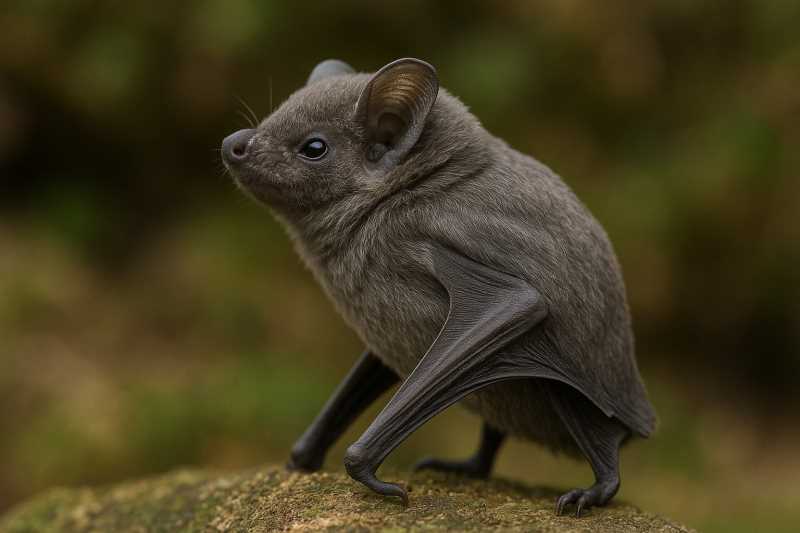
The Gray Sac-winged Bat is a small bat species, with an average wingspan of about 25 centimeters and a body length ranging from 4 to 6 centimeters. They typically weigh between 6 to 9 grams. As their name suggests, these bats have a grayish-brown fur on their back, which gradually lightens to a pale gray or whitish shade on the underside.
One of the most distinguishing features of the Gray Sac-winged Bat is the presence of small, sac-like structures located near the elbow joint of their wings. These sacs are more prominent in males and are believed to play a role in territorial marking and mating displays, as they exude a scent used for communication.
Their wings are long and narrow, allowing for agile flight and quick maneuverability, which is essential for catching prey in mid-air. Their faces are somewhat flat, with large, dark eyes and a small, upturned nose. The ears are relatively small and rounded, aiding in echolocation.
Range and Habitat
Gray Sac-winged Bats are predominantly found in Central America, with their range extending from southern Mexico through Central American countries such as Guatemala, Belize, Honduras, and Nicaragua, down to Panama. They also inhabit parts of northern South America, including Colombia and Venezuela.
These bats are adaptable and can thrive in a variety of habitats, although they predominantly prefer tropical and subtropical forests. They are often found roosting in caves, abandoned buildings, hollow trees, and even under large leaves. Their preferred roosting sites are typically dark, humid, and sheltered from predators. These locations offer them the necessary protection and stable microclimate required for day-time resting.
Behavior and Diet
Gray Sac-winged Bats are social creatures that often form colonies ranging from a few individuals to several dozen. They exhibit a complex social structure, with males establishing territories and females often moving between different groups. Males use their wing sacs to produce scents that mark their territory and attract females.
These bats are nocturnal insectivores, primarily feeding on moths, beetles, and other flying insects. They use echolocation to locate and capture prey, emitting high-frequency sound waves that bounce off objects and return to the bat, allowing it to create a mental map of its surroundings.
Foraging activity typically begins shortly after sunset, with the bats flying out from their roosts to hunt for insects. They are known to cover significant distances in search of food, often returning to the same roosting site before dawn.
Identification Tips (Field Recognition Cues)
Identifying Gray Sac-winged Bats in the field can be challenging due to their small size and nocturnal habits. However, there are several key characteristics that can assist in their identification:
- Size and Coloration: Look for a small bat with grayish-brown fur, lighter on the underside.
- Wing Sacs: Noticeable sacs on the wings, particularly in males, distinguish them from other bat species.
- Flight Pattern: Observe their agile, fluttering flight as they hunt for insects.
- Roosting Habits: Check common roosting sites such as caves, hollow trees, and under large leaves.
Conservation Status (With Threats and Protections)
The International Union for Conservation of Nature (IUCN) currently lists the Gray Sac-winged Bat as a species of Least Concern. However, their populations are subject to several threats that could impact their numbers in the future.
Threats
- Habitat Loss: Deforestation and the destruction of natural habitats for agriculture and urban development are primary threats.
- Pesticide Use: Increased use of pesticides reduces insect populations, directly impacting the bats’ food sources.
- Disturbance of Roosting Sites: Human activities in caves and other roosting sites can lead to colony disturbances.
Protections
- Protected Areas: Several national parks and reserves within their range provide sanctuary and help protect their habitats.
- Awareness Programs: Conservation organizations are working to raise awareness about the ecological importance of bats and the need for their protection.
Frequently Asked Questions
What is the primary diet of the Gray Sac-winged Bat?
The Gray Sac-winged Bat primarily feeds on insects, including moths and beetles. They are insectivores and use echolocation to detect and capture their prey.
How do Gray Sac-winged Bats communicate?
These bats communicate using a combination of vocalizations and scent signals. Males produce scents from their wing sacs to mark territory and attract females.
Where can Gray Sac-winged Bats be found?
Gray Sac-winged Bats are found in Central and northern South America, inhabiting countries such as Mexico, Guatemala, and Colombia. They prefer tropical and subtropical forests.
Are Gray Sac-winged Bats endangered?
No, the Gray Sac-winged Bat is currently listed as Least Concern by the IUCN. However, they face threats such as habitat loss and pesticide use.
How do Gray Sac-winged Bats contribute to the ecosystem?
Gray Sac-winged Bats play a crucial role in controlling insect populations, which helps maintain ecological balance and reduce crop damage.
Related posts