Golden Oldfield Mouse: A Comprehensive Guide
Introduction
The Golden Oldfield Mouse, scientifically known as Thomasomys aureus, is a fascinating rodent species native to South America. This small mammal is a member of the Cricetidae family, which includes other well-known rodents like hamsters and voles. Despite its relative obscurity in popular culture, the Golden Oldfield Mouse plays a vital role in its ecosystem, contributing to seed dispersion and serving as prey for various predators.
This article delves into the intricate details of the Golden Oldfield Mouse, covering everything from its physical characteristics and habitat preferences to its behavior and conservation status. Whether you’re a wildlife enthusiast or a researcher, this comprehensive guide aims to provide valuable insights into this elusive species.
Physical Description
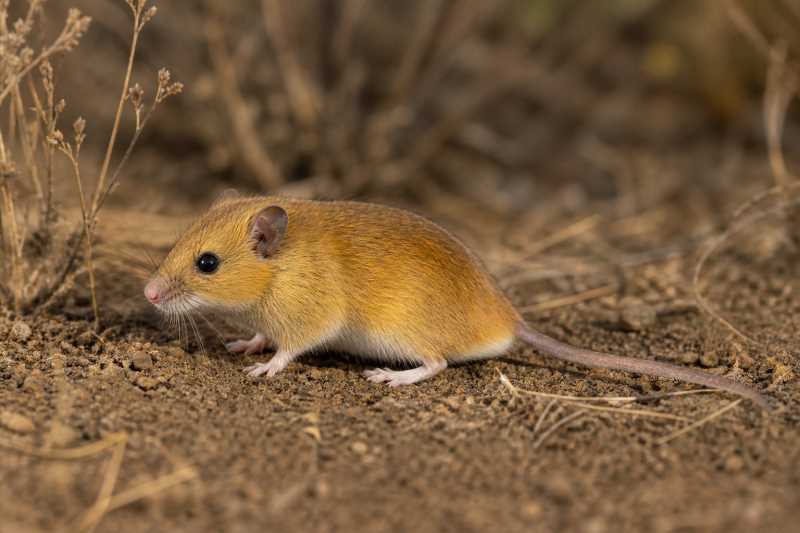
The Golden Oldfield Mouse is a small rodent, typically measuring between 9 to 12 cm in body length, with an additional tail length ranging from 7 to 10 cm. Its weight varies from 20 to 40 grams, making it a lightweight yet agile creature. The species is aptly named for its striking golden-brown fur, which provides excellent camouflage against the forest floor’s leaf litter.
The mouse’s fur is dense and soft, with the dorsal side exhibiting a rich golden hue, while the ventral side is usually a lighter, cream-colored shade. Its large, round eyes are well-adapted for nocturnal life, allowing it to navigate and forage in low-light conditions. The ears are moderately sized and covered with short fur, enhancing its acute sense of hearing.
Range and Habitat
The Golden Oldfield Mouse is predominantly found in the Andean regions of South America, with its range extending across several countries, including Peru, Ecuador, and Colombia. It thrives in montane forests and cloud forests, typically at elevations ranging from 1,500 to 3,500 meters above sea level.
These forests offer a rich tapestry of biodiversity, providing ample food resources and shelter for the mouse. The dense vegetation and abundant leaf litter create a perfect environment for the species to forage and evade predators. Additionally, the moist climate of these regions supports a diverse array of flora and fauna, contributing to a balanced ecosystem.
Behavior and Diet
The Golden Oldfield Mouse is primarily nocturnal, spending its nights foraging for food and its days resting in hidden burrows or crevices. The species is omnivorous, with a diet that includes seeds, fruits, insects, and small invertebrates. This varied diet helps sustain its energy needs and supports its role as a seed disperser, contributing to the health of its habitat.
Socially, the Golden Oldfield Mouse is relatively solitary, with individuals maintaining defined territories. However, during the breeding season, which typically occurs during the wetter months, males and females come together for mating. After a gestation period of approximately 20 to 25 days, the female gives birth to a litter of 2 to 4 pups.
Identification Tips (Field Recognition Cues)
Identifying the Golden Oldfield Mouse in the wild can be challenging due to its elusive nature and the dense habitats it occupies. However, there are several field recognition cues that can aid in its identification:
- Fur Coloration: Look for the distinctive golden-brown fur, which is a key characteristic of the species.
- Size and Shape: Note the small size and slender body, with a long tail that is almost equal to its body length.
- Behavior: Observe nocturnal activity patterns and foraging behavior, especially in areas with abundant leaf litter.
- Habitat: Focus on montane and cloud forests, particularly at elevations between 1,500 and 3,500 meters.
Conservation Status (With Threats and Protections)
The International Union for Conservation of Nature (IUCN) currently lists the Golden Oldfield Mouse as a species of "Least Concern." However, this does not imply that the species is free from threats. Habitat loss due to deforestation and agricultural expansion poses significant risks to its population.
Conservation efforts are crucial to ensuring the long-term survival of the species. Protected areas within its range, such as national parks and wildlife reserves, play a vital role in safeguarding its habitat. Additionally, research initiatives aimed at understanding its ecology and population dynamics contribute to informed conservation strategies.
Frequently Asked Questions
What is the lifespan of the Golden Oldfield Mouse?
The Golden Oldfield Mouse typically has a lifespan of 1 to 2 years in the wild. Factors such as predation, disease, and environmental conditions can influence their longevity.
How does the Golden Oldfield Mouse contribute to its ecosystem?
This species plays a critical role in seed dispersion, aiding in the regeneration of forest vegetation. It also serves as prey for various predators, maintaining the ecological balance.
Are Golden Oldfield Mice social animals?
Golden Oldfield Mice are generally solitary, except during the breeding season when males and females interact. They establish individual territories that they defend against intruders.
What are the primary threats to the Golden Oldfield Mouse?
The main threats include habitat destruction due to deforestation and agricultural activities. Climate change may also impact their montane forest habitats.
How can I help in the conservation of the Golden Oldfield Mouse?
Supporting conservation organizations and advocating for the protection of their natural habitats can contribute to the preservation of this species. Awareness and education about the importance of biodiversity are also crucial.
Related posts