The Maghreb Owl: A Nocturnal Sentinel of North Africa
The Maghreb Owl (Strix mauritanica) is a captivating species that embodies the mystique and allure of the North African night. This enigmatic bird, found predominantly in the Maghreb region, which includes countries like Morocco, Algeria, and Tunisia, is a testament to the biodiversity and ecological wealth of this part of the world. Known for its distinctive appearance and haunting call, the Maghreb Owl is a subject of intrigue for ornithologists and bird enthusiasts alike.
Taxonomy and Classification
The Maghreb Owl was once considered a subspecies of the Tawny Owl (Strix aluco), but recent genetic studies have elevated it to a distinct species status. This reclassification underscores the significance of nuanced genetic research in understanding avian diversity. The Maghreb Owl belongs to the family Strigidae, which encompasses true owls, distinguished from barn owls by their round faces and large eyes.
Physical Characteristics
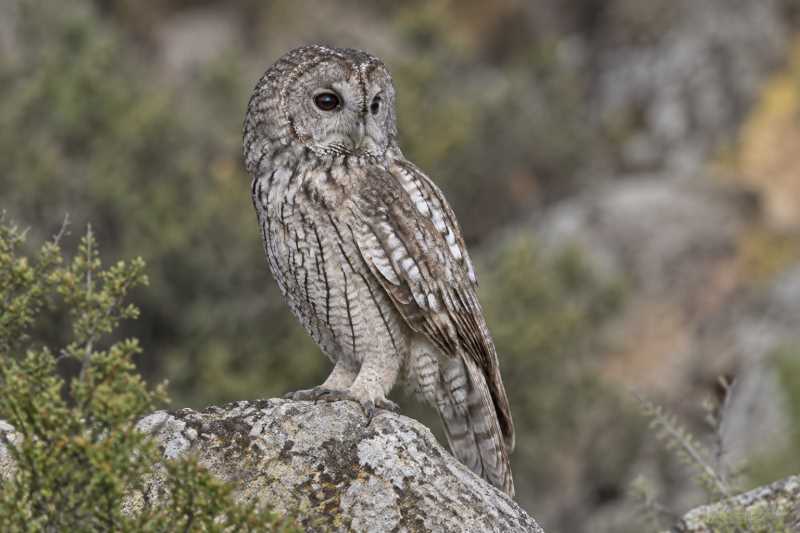
The Maghreb Owl is medium-sized, with a robust build typical of the Strix genus. It possesses a rounded head without ear tufts, giving it a classic ‘owl’ appearance. Its plumage is a blend of earthy tones, primarily brown and gray, with intricate patterns that provide excellent camouflage against tree bark and rocky landscapes. The owl’s eyes are large, dark, and forward-facing, adapted for nocturnal hunting, allowing it to spot prey in near darkness.
Habitat and Distribution
Endemic to the Maghreb, this owl is closely associated with Mediterranean woodlands, scrublands, and rocky outcrops. It thrives in regions with a mix of open and wooded areas, which offer both hunting grounds and nesting sites. The Maghreb Owl is known to inhabit altitudes ranging from sea level to mountainous terrains, showcasing its adaptability to varied environments.
Behavior and Ecology
As a nocturnal predator, the Maghreb Owl is primarily active during the night. Its diet is diverse, consisting of small mammals, birds, insects, and occasionally reptiles. This dietary flexibility is crucial for its survival in the often harsh and fluctuating environments of North Africa. The owl employs a sit-and-wait hunting strategy, using its keen hearing to detect the slightest rustle of prey in the underbrush.
Breeding season for the Maghreb Owl typically occurs in the early spring. Pairs are monogamous and often use the same nesting sites year after year, which can include tree cavities, cliff ledges, or abandoned nests of other large birds. The female lays a clutch of two to four eggs, which she incubates while the male provides food.
Conservation Status
Currently, the Maghreb Owl is not listed as threatened, but like many species, it faces challenges from habitat loss and environmental changes. Urbanization, deforestation, and agricultural expansion pose significant threats to its natural habitats. Conservation efforts focused on preserving the Mediterranean woodlands and minimizing human encroachment are crucial to ensuring the owl’s continued survival.
Cultural Significance
In the cultural tapestry of the Maghreb, the owl holds a place of significance. Often regarded as a symbol of wisdom and mystery, the Maghreb Owl features in local folklore and mythology. Its eerie calls echoing through the night have given rise to numerous stories and legends, further cementing its status as a creature of intrigue.
Research and Observation
Ornithologists and researchers continue to study the Maghreb Owl to better understand its behavior, ecology, and role in the ecosystem. Birdwatching enthusiasts in the region are encouraged to participate in citizen science projects to help monitor populations and report sightings, contributing valuable data to ongoing research efforts.
Conclusion
The Maghreb Owl is a remarkable embodiment of the natural beauty and complexity of North Africa. Its presence is a reminder of the rich biodiversity that exists within the Maghreb region and the importance of conservation efforts to protect such unique species. As research continues to uncover more about this elusive bird, the Maghreb Owl will undoubtedly remain a symbol of nocturnal mystery and ecological importance.
With its haunting call and striking appearance, the Maghreb Owl captivates the imagination and inspires efforts to preserve its habitat, ensuring that future generations can also experience the wonder of this nocturnal sentinel.
Related posts