Introduction
The Red-backed Mousebird (Colius castanotus) is a distinctive and fascinating species that inhabits the lush landscapes of sub-Saharan Africa. Known for its vibrant plumage and unique social behaviors, this bird captivates ornithologists and birdwatchers alike. In this article, we delve into the biology, ecology, behavior, and conservation status of the Red-backed Mousebird, providing a comprehensive understanding of this remarkable species.
Taxonomy and Classification
Belonging to the family Coliidae, the Red-backed Mousebird is one of six species within the genus Colius. Mousebirds, known for their soft, mouse-like plumage and scurrying behavior, are a unique avian group restricted to the African continent. The species name, Colius castanotus, is derived from Latin, with ‘castanotus’ referring to the chestnut-colored back that distinguishes this bird from its relatives.
Physical Description
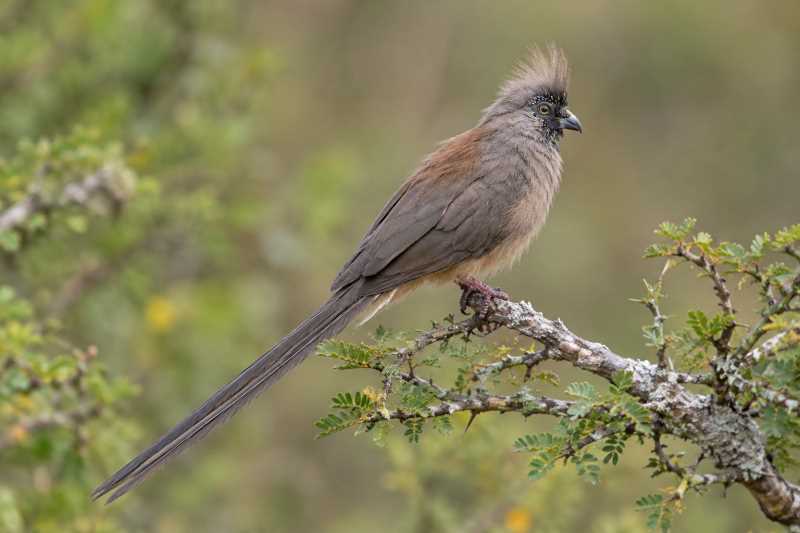
The Red-backed Mousebird is a medium-sized bird, measuring approximately 30 to 35 centimeters in length, including its long, slender tail. The bird’s most striking feature is its vivid chestnut-colored back, which contrasts with its otherwise grayish-brown plumage. The head is adorned with a short crest, adding to its distinctive appearance. Its beak is short and robust, adapted for its frugivorous diet. The feet of the Red-backed Mousebird are zygodactylous, meaning two toes face forward and two backward, an adaptation that aids in its acrobatic climbing abilities.
Distribution and Habitat
Red-backed Mousebirds are predominantly found in Angola, where they inhabit a variety of habitats, including savannas, woodlands, and forest edges. They are highly adaptable and can thrive in both arid and humid environments, provided there is an abundance of fruit-bearing trees and shrubs. These birds often form small flocks, which move together in search of food and shelter.
Diet and Feeding Behavior
The diet of the Red-backed Mousebird primarily consists of fruits, berries, and buds. They are known to favor figs, guavas, and other soft fruits, which provide them with the necessary nutrients and water content. Their feeding behavior is characterized by agility and acrobatic movements, as they hang upside down or sideways to access food. This frugivorous diet plays a crucial role in seed dispersal, contributing to the health and regeneration of their habitats.
Social Structure and Behavior
Red-backed Mousebirds are highly social creatures, often observed in flocks ranging from a few individuals to several dozen. These social groups are not just for foraging; they also provide safety in numbers from predators. Communication within these groups is facilitated through a series of chirps and calls, which help maintain group cohesion during feeding and flight.
One of the most fascinating behaviors exhibited by the Red-backed Mousebird is sunbathing. These birds can often be seen spreading their wings and tail feathers in the sun, an activity believed to help with thermoregulation and feather maintenance. This behavior is not only a delight for observers but also illustrates the complex behavioral adaptations of the species.
Breeding and Reproduction
The breeding season of the Red-backed Mousebird varies depending on the region but generally coincides with periods of abundant food supply. They are monogamous, with pairs forming long-term bonds. The nest is a simple platform of twigs and grass, often built in dense foliage to conceal it from predators. Both parents participate in incubating the eggs and caring for the young, demonstrating a cooperative approach to rearing offspring.
The clutch usually consists of two to four eggs, which hatch after an incubation period of about two weeks. The chicks are altricial, meaning they are born relatively undeveloped and require significant parental care. Fledging occurs after approximately three weeks, but the young birds may remain with the family group for an extended period, learning essential survival skills.
Predators and Threats
Despite their social lifestyle, Red-backed Mousebirds face numerous threats from predators such as birds of prey, snakes, and small mammals. Their primary defense mechanism is their agile flight and the protective advantage of flocking together. However, human activities, including habitat destruction and fragmentation, pose significant threats to their populations.
Conservation Status
Currently, the Red-backed Mousebird is classified as a species of Least Concern by the International Union for Conservation of Nature (IUCN). This categorization reflects their relatively stable population numbers and widespread distribution. However, continued habitat loss and environmental changes necessitate ongoing monitoring to ensure their long-term survival.
Ecological Importance
The ecological role of the Red-backed Mousebird extends beyond its appealing aesthetics and social dynamics. As frugivores, they contribute to seed dispersal, facilitating the propagation of numerous plant species. This ecological service is vital for maintaining the biodiversity and resilience of their habitats.
Conclusion
The Red-backed Mousebird is a testament to the incredible adaptability and diversity of avian life in Africa. Its vibrant plumage, complex social behaviors, and ecological significance make it a species worth understanding and conserving. As we continue to explore the natural world, the Red-backed Mousebird serves as a reminder of the intricate connections between species and their environments, highlighting the importance of preserving these delicate ecosystems for future generations.
By appreciating and studying such species, we not only enrich our understanding of biodiversity but also reinforce the imperative to protect the natural habitats that sustain life on our planet.
Related posts