Introduction
Genoways’s Yellow Bat, scientifically known as Rhogeessa genowaysi, is a fascinating species in the diverse family of vesper bats. Recognized for its distinct yellowish fur and intriguing behaviors, this bat species inhabits specific regions in Central America. Named in honor of Dr. Hugh Genoways, an eminent mammalogist, this bat has captured the attention of researchers and conservationists alike. In this detailed guide, we delve into the physical characteristics, habitat, behavior, and conservation status of Genoways’s Yellow Bat, providing a comprehensive overview for enthusiasts and researchers.
Physical Description
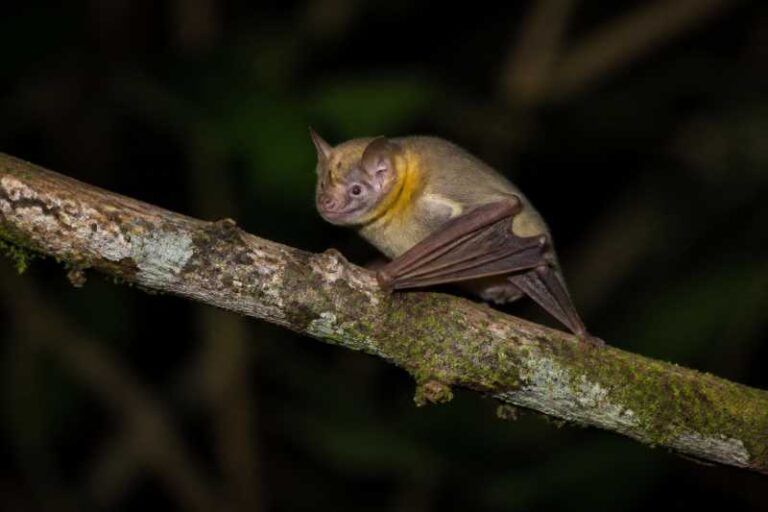
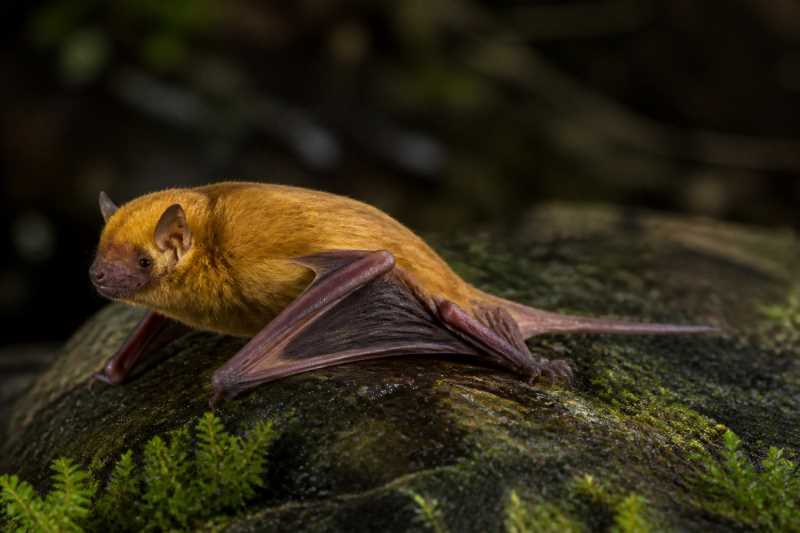
Genoways’s Yellow Bat is a small-sized bat with a wingspan ranging from 20 to 25 centimeters. Its most distinguishing feature is its unique yellowish fur, which gives it its common name. This vibrant coloration is complemented by a slightly darker underbelly. The bat’s ears are relatively short and rounded, a common trait among vesper bats, aiding in its echolocation capabilities.
The forearm length of Rhogeessa genowaysi typically measures between 30 to 35 millimeters, and its body weight ranges from 5 to 8 grams. Its face is adorned with a short muzzle and small, sharp teeth adapted for its insectivorous diet. The skin of this bat is generally light brown, which contrasts with its fur, providing a natural camouflage in its arboreal habitat.
Range and Habitat
The distribution of Genoways’s Yellow Bat is primarily confined to Central America, with a more concentrated presence in countries like Honduras and Nicaragua. This species favors tropical and subtropical forests, often residing in lowland areas with dense vegetation.
These bats are highly adaptable to their environment, often found in regions that offer abundant insect populations and suitable roosting sites. They prefer habitats with a combination of open spaces for foraging and dense foliage for daytime roosting. This adaptability to various forested environments plays a crucial role in their survival, although habitat loss remains a significant threat.
Behavior and Diet
As nocturnal creatures, Genoways’s Yellow Bats are most active during the night. They exhibit a social structure that includes small colonies, often roosting in tree cavities or under loose bark. This communal roosting behavior not only provides warmth but also offers protection from predators.
Their diet primarily consists of insects, making them insectivorous. Using echolocation, they skillfully navigate and hunt in the dark, targeting moths, beetles, and other flying insects. This diet plays a vital ecological role in controlling insect populations and maintaining the balance within their ecosystem.
Identification Tips (Field Recognition Cues)
Identifying Genoways’s Yellow Bat in the field can be challenging due to its nocturnal nature and elusive behavior. However, certain cues can aid in recognition:
- Fur Coloration: Look for the characteristic yellowish fur, which is a key distinguishing feature.
- Size and Shape: Note the small size and slender build, with a forearm length of around 30-35 millimeters.
- Flight Pattern: Observe their erratic and agile flight, typical of insectivorous bats.
- Echolocation Calls: Use a bat detector to identify their specific frequency range, which can be a helpful tool for researchers.
Conservation Status (with Threats and Protections)
Currently, Genoways’s Yellow Bat is classified as a species of least concern by the International Union for Conservation of Nature (IUCN). However, like many bat species, it faces threats from habitat destruction, primarily due to deforestation and land conversion for agriculture.
Conservation efforts are crucial to ensure the survival of this species. Protecting their natural habitats through the establishment of protected areas and sustainable forestry practices is vital. Additionally, public education on the ecological importance of bats can help mitigate negative perceptions and promote conservation initiatives.
Frequently Asked Questions
What is the primary habitat of Genoways’s Yellow Bat?
Genoways’s Yellow Bat primarily inhabits tropical and subtropical forests in Central America, with a preference for lowland areas that provide rich insect populations and suitable roosting sites.
How does Genoways’s Yellow Bat find its food?
This bat uses echolocation to navigate and hunt for food. By emitting high-frequency sound waves and listening for the echoes, it can locate and capture flying insects with precision.
Are Genoways’s Yellow Bats endangered?
Currently, Genoways’s Yellow Bat is not classified as endangered. It is listed as a species of least concern, but it still faces threats from habitat loss due to human activities.
What role do Genoways’s Yellow Bats play in the ecosystem?
These bats play a crucial role in controlling insect populations, which helps maintain ecological balance. Their presence is essential for the health of their natural habitats.
How can I help in the conservation of Genoways’s Yellow Bat?
Support conservation efforts by advocating for the protection of forest habitats, participating in bat conservation projects, and spreading awareness about the ecological importance of bats.
Related posts