The Enigmatic Caura Antbird: Unveiling the Life of Myrmelastes caurensis
Introduction
The Caura Antbird, scientifically known as Myrmelastes caurensis, is a captivating avian species that inhabits the densely forested regions of South America. This bird, belonging to the Thamnophilidae family, has piqued the interest of ornithologists and bird enthusiasts alike due to its unique behaviors and ecological significance. This article delves into the life of the Caura Antbird, exploring its habitat, behavior, diet, and conservation status.
Taxonomy and Classification
The Caura Antbird is a member of the genus Myrmelastes, which comprises various species known for their ant-following habits. It was first described in the early 20th century, and its classification has been the subject of ongoing research. Recent genetic studies have helped clarify its position within the Thamnophilidae family, highlighting its close relation to other antbird species.
Habitat and Distribution
Myrmelastes caurensis is predominantly found in the lowland rainforests of the Amazon Basin, particularly within the Caura River region in Venezuela, after which it is named. The species thrives in humid, dense forests with abundant leaf litter, which is crucial for its foraging activities. The bird’s range overlaps with several other antbird species, making these forests a hotspot for biodiversity.
Physical Description
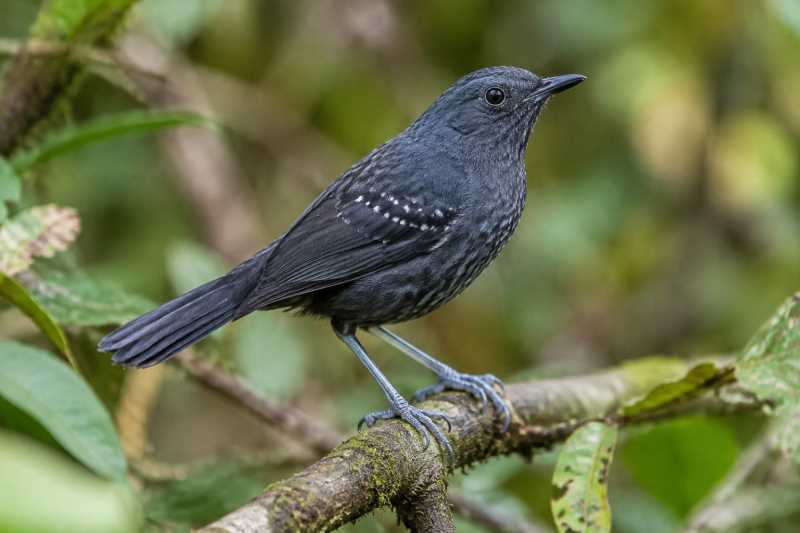
The Caura Antbird exhibits a striking appearance with a predominantly dark plumage that aids in camouflage within its shadowy habitat. It features a black head, contrasting with brownish wings and back, and a distinct white throat patch. Sexual dimorphism is minimal, making it challenging to distinguish males from females in the wild.
Behavior and Ecology
One of the most fascinating aspects of the Caura Antbird is its ant-following behavior. This species is known to shadow swarms of army ants, capitalizing on the insects flushed out by the ants’ aggressive foraging. This behavior not only highlights the bird’s adaptability but also underscores its role in the intricate web of rainforest ecology.
The Caura Antbird is primarily insectivorous, with a diet consisting of small arthropods, including spiders, beetles, and caterpillars. Its foraging strategy involves quick, deliberate movements, often characterized by short flights and sudden pounces to capture prey.
Reproduction and Life Cycle
The breeding season of the Caura Antbird aligns with the rainy season, ensuring an abundance of food resources for raising young. The species is monogamous, with pairs often seen foraging together. Nests are typically constructed low to the ground, hidden amidst dense vegetation. Both parents partake in incubating the eggs and feeding the chicks, demonstrating a high degree of parental investment.
Conservation Status and Threats
Currently, the Caura Antbird is not listed as threatened or endangered. However, deforestation and habitat fragmentation pose significant threats to its survival. The destruction of the Amazon rainforest for agriculture, logging, and mining activities is a growing concern, potentially impacting the bird’s habitat and food sources.
Conservation efforts focusing on preserving large tracts of continuous forest are vital for the long-term survival of the Caura Antbird. Initiatives aimed at sustainable land management and protecting biodiversity hotspots are essential components of these efforts.
Conclusion
The Caura Antbird, Myrmelastes caurensis, is a testament to the rich biodiversity of the Amazon rainforest. Its unique behaviors and ecological role make it a subject of interest for both scientific research and conservation. Understanding and protecting this species and its habitat is crucial for maintaining the delicate balance of the rainforest ecosystem.
References
- [Insert references and further reading here]
Related posts