Introduction
The Cerrado Red-nosed Mouse, scientifically known as Wiedomys cerradensis, is a fascinating rodent species endemic to Brazil’s expansive Cerrado biome. This unique mammal draws interest from researchers and wildlife enthusiasts alike due to its intriguing adaptations to the diverse environments of the Cerrado, one of the world’s most biologically rich savannas. As a relatively recent addition to the rodent family, having been officially described in the early 21st century, the Cerrado Red-nosed Mouse exemplifies the ongoing discoveries within this vibrant ecosystem.
Physical Description
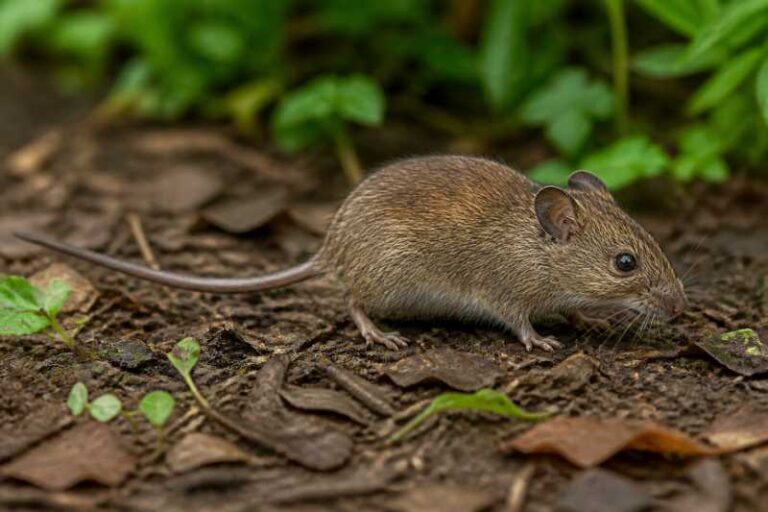
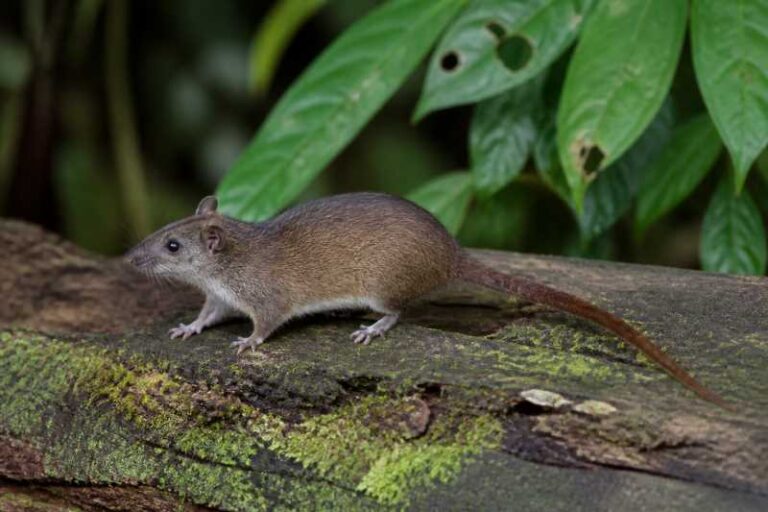
Wiedomys cerradensis is characterized by its distinct red-tinted nose, which provides its common name. The mouse displays a predominantly greyish-brown pelage that blends seamlessly with the dry, grassy landscapes of its habitat. Adults typically measure between 10 to 14 centimeters in body length, with tails that extend an additional 8 to 12 centimeters, aiding in balance and agility. This species exhibits a relatively lightweight build, weighing between 30 to 50 grams, which facilitates rapid movement across its terrain.
The fur of the Cerrado Red-nosed Mouse is dense and soft, providing insulation against temperature fluctuations typical of the Cerrado region. Its eyes are large and adapted for nocturnal activity, while its whiskers are sensitive, aiding in navigation and environmental awareness. The limbs are slender yet muscular, designed for quick burrowing and climbing to escape predators and forage for food.
Range and Habitat
The Cerrado Red-nosed Mouse is endemic to Brazil, with its range primarily confined to the Cerrado biome, which spans several central Brazilian states, including Goiás, Minas Gerais, and parts of Mato Grosso. This biome is one of the largest and most diverse savannas in the world, characterized by its mosaic of grasslands, shrublands, and forested areas.
Within this complex ecosystem, Wiedomys cerradensis often inhabits open grasslands and scrubby areas where its coloration offers excellent camouflage. It is also found in transitional zones between forested patches and open fields, which provide ample cover and foraging opportunities. The Cerrado’s seasonal climate, marked by distinct wet and dry periods, influences the availability of resources and the mouse’s behavioral patterns.
Behavior and Diet
The Cerrado Red-nosed Mouse is primarily nocturnal, emerging at night to take advantage of cooler temperatures and reduced predation risks. Its behavior is largely solitary, though it may engage in social interactions during the breeding season or when resources are abundant.
Dietarily, this species is omnivorous, with a preference for seeds, fruits, and insects, which are plentiful in the Cerrado. Its foraging behavior is opportunistic, allowing it to adapt to the seasonal availability of food. During the wet season, when vegetation is lush, the mouse primarily consumes seeds and fruits. In contrast, during the dry season, it relies more on insects and other protein-rich sources, which are crucial for survival when plant materials are scarce.
Identification Tips
Identifying the Cerrado Red-nosed Mouse in the field requires careful observation of several key characteristics:
- Nose: The most distinctive feature is the red-tinted nose, which stands out against its otherwise greyish-brown fur.
- Size: Look for a small rodent with a total length (including the tail) of approximately 18 to 26 centimeters.
- Coloration: Its fur is a blend of grey and brown, providing camouflage in grassy and scrubby areas.
- Behavior: Active primarily at night, these mice are quick and agile, often seen darting across open spaces.
- Habitat: Typically found in grasslands, shrublands, and the edges of forested areas within the Cerrado biome.
Conservation Status
Currently, the Cerrado Red-nosed Mouse is not listed as threatened by the IUCN, but it faces several environmental challenges. The primary threat to its population is habitat loss due to agricultural expansion, deforestation, and the increasing frequency of fires in the Cerrado. These activities not only reduce available habitat but also fragment existing populations, making it difficult for individuals to find mates and maintain genetic diversity.
Conservation efforts for the Cerrado as a whole are crucial for the survival of Wiedomys cerradensis. Protecting large tracts of the biome through the establishment of reserves and sustainable land management practices can help mitigate habitat loss. Additionally, raising awareness about the importance of the Cerrado and its unique wildlife can foster local and global support for conservation initiatives.
Frequently Asked Questions
1. What is the diet of the Cerrado Red-nosed Mouse? The Cerrado Red-nosed Mouse is omnivorous, feeding on a variety of seeds, fruits, and insects. Its diet varies seasonally, adapting to the availability of resources within its habitat.
2. How can I identify a Cerrado Red-nosed Mouse in the wild? Look for a small rodent with a distinctive red-tinted nose and greyish-brown fur. They are primarily nocturnal and found in the grasslands and shrublands of the Cerrado biome.
3. What threats do Cerrado Red-nosed Mice face? The main threats include habitat loss due to agricultural expansion, deforestation, and fires. These factors lead to habitat fragmentation and reduced population connectivity.
4. Where is the Cerrado Red-nosed Mouse found? This species is endemic to Brazil’s Cerrado biome, inhabiting areas of central Brazil, including Goiás, Minas Gerais, and Mato Grosso.
5. What are the conservation measures for the Cerrado Red-nosed Mouse? Conservation measures include protecting large areas of the Cerrado, promoting sustainable land management, and increasing awareness of the biome’s ecological importance.
Related posts