Introduction
Simons’s Dwarf Squirrel, scientifically known as Microsciurus simonsi, is a small, elusive rodent species belonging to the family Sciuridae. This diminutive squirrel is part of the Neotropical fauna and is primarily found in South America. Despite its small size, Simons’s Dwarf Squirrel plays a significant role in the ecosystems it inhabits, contributing to seed dispersal and forest dynamics. Named after the naturalist Simons, it remains a somewhat obscure species due to its elusive nature and the dense habitats it occupies.
Physical Description
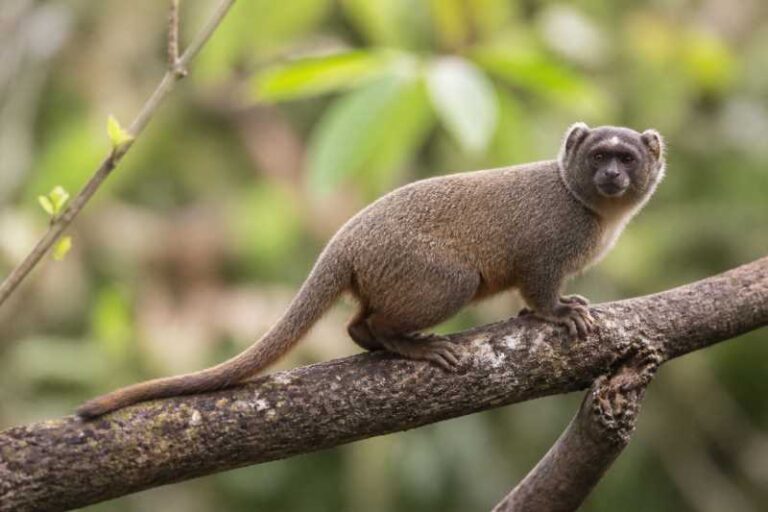
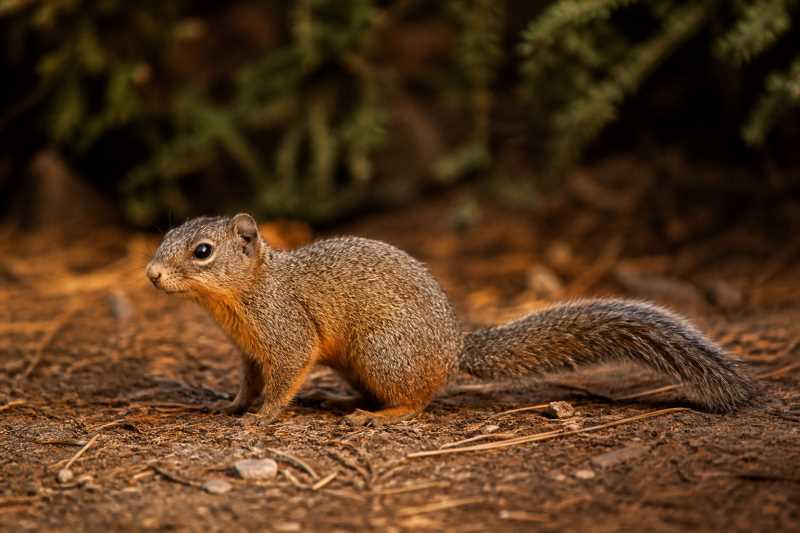
Simons’s Dwarf Squirrel is characterized by its petite stature, measuring between 16 to 20 centimeters in total length, including its bushy tail, which accounts for almost half of its body length. The species typically weighs between 50 to 80 grams, making it one of the smallest squirrel species in its range. It exhibits a grayish-brown coat with subtle variations that provide effective camouflage against the bark and foliage of its arboreal habitat. The underparts are usually lighter, often displaying a whitish or pale gray hue.
The squirrel’s ears are small and round, with a slight tuft of hair at the tips, while its eyes are relatively large, offering a wide field of vision essential for spotting predators. The claws are sharp and curved, adapted for a life spent mostly among trees, enabling effective climbing and foraging. The tail is bushy yet relatively short compared to other squirrel species, aiding in balance while navigating the canopy.
Range and Habitat
Simons’s Dwarf Squirrel is endemic to the tropical rainforests of South America, particularly within the Amazon Basin. Its range extends across several countries, including Peru, Ecuador, Colombia, and Brazil. These squirrels are typically found in lowland forests, thriving in humid, dense forest environments where they can easily conceal themselves among the foliage.
Their habitat preference includes primary and secondary forests, as well as areas with dense understory. The species is arboreal, spending most of its life in the canopy layer of the forest, rarely descending to the ground. This arboreal lifestyle provides both food resources and protection from ground-dwelling predators.
Behavior and Diet
Simons’s Dwarf Squirrel is primarily diurnal, with peak activity during the early morning and late afternoon. This activity pattern helps the squirrel avoid midday heat and potential predators. The species is solitary, with individuals maintaining small territories marked by scent markings and vocalizations.
The diet of Simons’s Dwarf Squirrel consists mainly of seeds, fruits, and nuts, which are abundant in its tropical habitat. It plays a crucial role in seed dispersal, contributing to forest regeneration and biodiversity. Occasionally, the squirrel may consume insects and small invertebrates, supplementing its diet with protein-rich food sources.
Identification Tips (Field Recognition Cues)
Identifying Simons’s Dwarf Squirrel in the wild can be challenging due to its small size and elusive nature. However, several cues can aid in recognition:
- Size and Shape: Look for a small rodent with a bushy tail, approximately half the body length.
- Coloration: Note the grayish-brown coat with lighter underparts, which can provide camouflage against tree bark.
- Behavior: Observe diurnal activity and solitary movements, often in the canopy.
- Vocalizations: Listen for high-pitched calls, often used for communication and territory marking.
Conservation Status (With Threats and Protections)
Currently, Simons’s Dwarf Squirrel is listed as "Least Concern" by the International Union for Conservation of Nature (IUCN), primarily due to its wide distribution and presumed large population. However, like many species in the Amazon Basin, it faces threats from habitat destruction and fragmentation due to logging, agriculture, and urban development.
Conservation efforts for Simons’s Dwarf Squirrel are not species-specific but are part of broader initiatives aimed at preserving the Amazon rainforest. Protected areas, national parks, and sustainable land-use practices are crucial for ensuring the long-term survival of this species and the ecosystem it inhabits.
Frequently Asked Questions
Why is this species unique?
Simons’s Dwarf Squirrel is unique due to its small size and its role in the ecosystem as a seed disperser. Its ability to thrive in dense, tropical rainforests and its elusive nature make it a fascinating subject for ecological studies.
What are the primary threats to Simons’s Dwarf Squirrel?
The primary threats to Simons’s Dwarf Squirrel include habitat destruction and fragmentation caused by deforestation, agricultural expansion, and urban development. These activities reduce the available habitat and resources for the species.
How does Simons’s Dwarf Squirrel contribute to its ecosystem?
Simons’s Dwarf Squirrel contributes to its ecosystem by dispersing seeds, which aids in forest regeneration and maintains biodiversity. Its diet and foraging habits help cycle nutrients and promote healthy forest dynamics.
Where can Simons’s Dwarf Squirrel be found?
Simons’s Dwarf Squirrel can be found in the lowland tropical rainforests of the Amazon Basin, spanning countries such as Peru, Ecuador, Colombia, and Brazil. It prefers dense, humid forest environments.
How can we help protect Simons’s Dwarf Squirrel?
Protection of Simons’s Dwarf Squirrel involves supporting conservation efforts aimed at preserving the Amazon rainforest. This includes advocating for sustainable land-use practices, supporting protected areas, and raising awareness about the importance of rainforest ecosystems.
Related posts