Introduction
The Short-tailed Birch Mouse, scientifically known as Sicista brevicauda, is a small yet fascinating mammal belonging to the family Dipodidae. Known for its distinctive short tail, this elusive creature is often overlooked in studies of small mammals. Understanding the ecological role and conservation status of the Short-tailed Birch Mouse is crucial, as it holds significance in biodiversity and ecosystem balance. This article aims to delve into various aspects of this unique mammal, including its physical description, habitat, behavior, and conservation concerns.
Physical Description
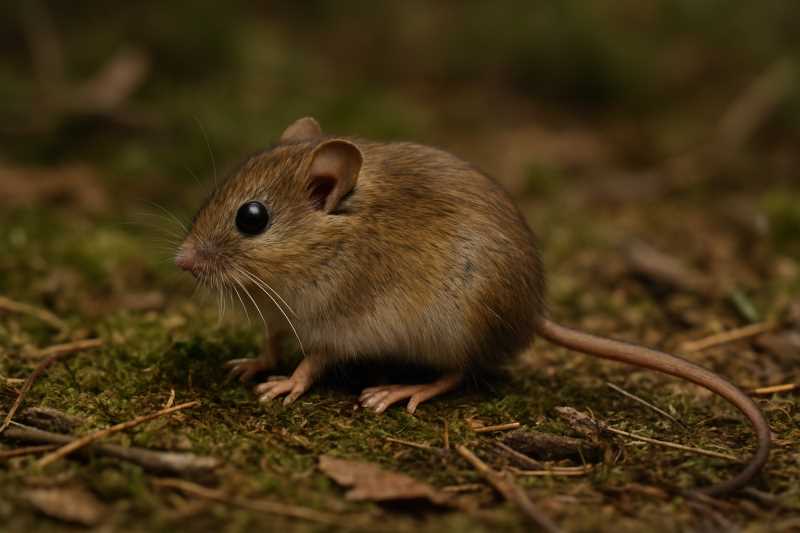
The Short-tailed Birch Mouse is a diminutive rodent, typically measuring between 5 to 8 centimeters in body length, with a notably short tail, averaging around 3 to 5 centimeters. This characteristic tail length is a primary distinguishing feature, setting it apart from other members of the genus Sicista. The fur of the Short-tailed Birch Mouse is soft and dense, providing insulation against cold temperatures. Its dorsal side exhibits a light brown to gray coloration, while the ventral side is generally a lighter gray or white. This coloration provides effective camouflage against predators in its natural habitat.
Adapted for a hopping mode of locomotion, the mouse has elongated hind legs, reminiscent of its distant relatives, the jerboas. Its small size and agility make it adept at navigating through dense underbrush and leaf litter. Furthermore, the Short-tailed Birch Mouse possesses large eyes and ears, enhancing its nocturnal lifestyle by providing heightened senses of sight and hearing.
Range and Habitat
The geographical range of the Short-tailed Birch Mouse extends across parts of Eastern Europe and Northern Asia, with populations primarily found in Russia, China, and Mongolia. It thrives in temperate forest environments, particularly favoring areas with a rich understory of shrubs and birch trees. This preference for dense vegetation provides both food sources and protection from predators.
In addition to forested areas, the Short-tailed Birch Mouse can also be found in meadowlands and along the edges of wetlands. These habitats offer a diverse array of food resources and nesting sites. Seasonal migrations may occur as the mouse moves to different areas to exploit available resources throughout the year.
Behavior and Diet
The Short-tailed Birch Mouse is primarily nocturnal, spending the daylight hours hidden in burrows or dense vegetation to avoid predators. It exhibits a solitary lifestyle, with individuals maintaining home ranges that they mark using scent glands. Social interactions are limited to the breeding season, during which males and females come together to mate.
The diet of the Short-tailed Birch Mouse is omnivorous, consisting of seeds, fruits, insects, and other small invertebrates. Its foraging behavior is influenced by seasonal availability of food, with a diet shift observed in colder months when plant-based food becomes scarce. During such times, the mouse relies more heavily on stored food and scavenging for insects.
Identification Tips (field recognition cues)
Identifying the Short-tailed Birch Mouse in the field can be challenging due to its nocturnal and elusive nature. However, a few key characteristics can aid in its identification:
- Tail Length: The mouse’s tail is significantly shorter than its body, a distinguishing feature among other similar species.
- Fur Coloration: Look for the light brown to gray dorsal fur and lighter ventral fur as camouflage cues.
- Hopping Movement: Observing the distinctive hopping locomotion can help differentiate it from other small mammals.
- Habitat Preferences: Focus on areas with dense shrubbery and birch trees, which are preferred habitats.
- Nocturnal Activity: Best spotted at night, using a flashlight to catch the reflection of its large eyes.
Conservation Status (with threats and protections)
The conservation status of the Short-tailed Birch Mouse is currently listed as "Least Concern" by the International Union for Conservation of Nature (IUCN). However, certain populations face localized threats that could impact their future stability. Habitat destruction due to logging, agricultural expansion, and urban development poses significant risks by reducing available shelter and food resources.
Additionally, climate change impacts, such as altered precipitation patterns and temperature extremes, could further stress populations by affecting habitat conditions and food availability. Conservation efforts focus on habitat preservation and restoration, emphasizing the importance of maintaining forested areas and wetland margins.
Protective measures have been implemented in some regions, including the establishment of protected areas and wildlife corridors. These efforts aim to mitigate habitat fragmentation and ensure the long-term survival of the species.
Frequently Asked Questions
1. What does the Short-tailed Birch Mouse eat?
The Short-tailed Birch Mouse has an omnivorous diet, feeding on seeds, fruits, insects, and small invertebrates. Its diet varies seasonally, with a greater reliance on insects during colder months when plant-based food is scarce.
2. Where can I find the Short-tailed Birch Mouse?
This species is primarily found in Eastern Europe and Northern Asia, particularly in Russia, China, and Mongolia. It prefers habitats with dense vegetation, such as temperate forests, meadows, and wetland edges.
3. How can I identify a Short-tailed Birch Mouse?
Look for its short tail, light brown to gray fur, and distinctive hopping movement. It is best observed at night in areas with dense shrubbery and birch trees.
4. What are the main threats to the Short-tailed Birch Mouse?
Habitat destruction from logging, agriculture, and urban development, as well as climate change impacts, pose significant threats to the species. Conservation efforts focus on habitat preservation.
5. Is the Short-tailed Birch Mouse endangered?
Currently, the Short-tailed Birch Mouse is classified as "Least Concern" by the IUCN. However, localized threats could impact certain populations, highlighting the need for ongoing conservation efforts.
Related posts