Introduction
The Large False Serotine, scientifically known as Hesperoptenus tomesi, is a fascinating bat species belonging to the family Vespertilionidae. This nocturnal mammal is intriguing not only because of its unique physical characteristics but also due to its elusive nature, which makes field observation a challenge for researchers and enthusiasts alike. Understanding the Large False Serotine is crucial for conserving its habitat and ensuring its survival amidst growing environmental threats.
Physical Description
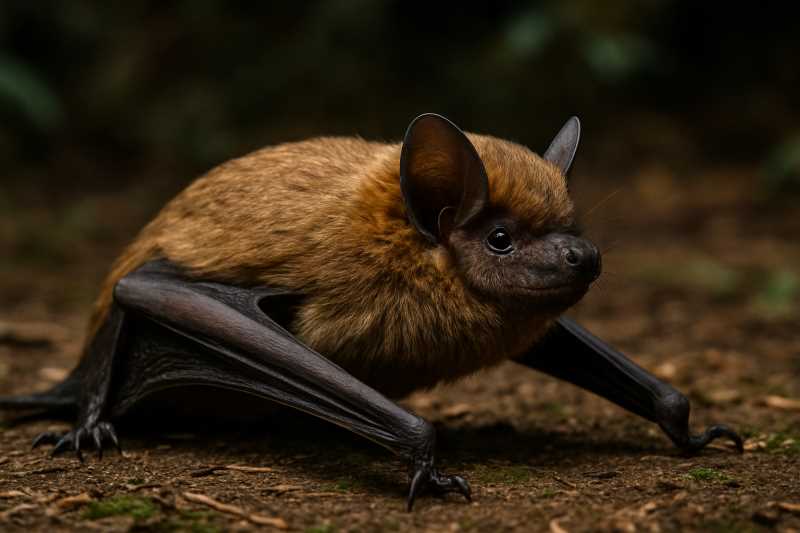
The Large False Serotine is aptly named for its considerable size compared to other bat species within the same genus. This bat typically exhibits a wingspan ranging from 30 to 35 centimeters, an impressive feature that aids in its agile flight. The body length of the Large False Serotine measures between 6 and 8 centimeters, with a tail extending an additional 4 to 5 centimeters.
Its fur is predominantly dark brown, which provides excellent camouflage against the bark of trees and cave interiors. The fur is dense and velvety, offering insulation and protection from the elements. The bat’s ears are moderately sized, rounded, and display a distinct notch on the outer margin, aiding in echolocation and sound detection. The face of the Large False Serotine is characterized by a short snout, small eyes, and a pronounced, slightly upturned nose.
Range and Habitat
The Large False Serotine is primarily found in Southeast Asia, with confirmed sightings in countries such as Thailand, Malaysia, and Indonesia. This bat favors tropical and subtropical environments, thriving in both primary and secondary forests. It roosts in a variety of locations, including hollow trees, caves, and abandoned buildings, demonstrating a high level of adaptability to different environments.
The bat’s preference for dense forested areas is crucial for its survival, as these habitats offer abundant food sources and protection from predators. The Large False Serotine is known to exhibit altitudinal migration, moving to higher elevations during the warmer months and descending as the climate cools.
Behavior and Diet
The Large False Serotine is a nocturnal creature, emerging at dusk to hunt for food. Its diet primarily consists of insects, which it catches in mid-air using its acute echolocation abilities. The bat’s flight is swift and agile, allowing it to maneuver through dense foliage and capture prey efficiently. It is known to consume a wide variety of insects, including moths, beetles, and mosquitoes, playing an essential role in controlling insect populations within its habitat.
Socially, the Large False Serotine is relatively solitary, although it may form small colonies during the breeding season. These colonies are typically composed of females and their offspring, while males are more solitary outside of mating times. Communication among these bats is achieved through a complex system of vocalizations and pheromones.
Identification Tips
Identifying the Large False Serotine in the field can be challenging due to its nocturnal habits and elusive nature. However, certain features can aid in recognition:
- Size and Wingspan: Look for a larger bat with a wingspan of 30 to 35 centimeters.
- Fur Color: Dark brown fur with a velvety texture can help distinguish it from other species.
- Ears: Note the rounded ears with a distinctive notch on the outer edge.
- Flight Pattern: Observe its agile and rapid flight, often in forested areas or near water bodies.
- Sound: Listen for high-pitched echolocation calls, which may be detected using specialized equipment.
Conservation Status
The conservation status of the Large False Serotine is currently listed as Least Concern by the International Union for Conservation of Nature (IUCN). However, this does not imply that the species is free from threats. Habitat destruction due to deforestation and urban expansion poses significant risks to its survival. Additionally, the use of pesticides in agriculture can reduce insect populations, impacting the bat’s food supply.
Conservation efforts must focus on preserving natural habitats and promoting sustainable land-use practices. Protected areas and wildlife corridors are essential to ensure the continued existence of the Large False Serotine and other forest-dwelling species.
Frequently Asked Questions
1. What is the primary diet of the Large False Serotine?
The Large False Serotine primarily feeds on insects, including moths, beetles, and mosquitoes. It uses echolocation to hunt and catch these insects in flight.
2. Where can the Large False Serotine be found?
This bat species is predominantly found in Southeast Asia, including countries like Thailand, Malaysia, and Indonesia. It inhabits tropical and subtropical forests.
3. How does the Large False Serotine contribute to the ecosystem?
By preying on insects, the Large False Serotine helps control insect populations. This not only benefits agriculture by reducing pest numbers but also supports the balance of local ecosystems.
4. What are the main threats to the Large False Serotine?
The main threats include habitat destruction due to deforestation and urban development, as well as the impact of pesticides on insect populations.
5. How can we help conserve the Large False Serotine?
Conservation efforts should focus on protecting natural habitats, establishing wildlife corridors, and promoting sustainable agricultural practices to ensure a stable food supply for these bats.
Related posts