Balingka White-toothed Shrew: An Insight into a Lesser-Known Mammal
Introduction
The Balingka White-toothed Shrew (Crocidura balingka) is a fascinating yet lesser-known member of the mammalian family Soricidae. Often overlooked due to its small size and elusive nature, this shrew species plays a crucial role in its ecosystem. Understanding the Balingka White-toothed Shrew’s characteristics, habitat, and behaviors can provide essential insights into the biodiversity of its environment and highlight the importance of conservation efforts.
Physical Description
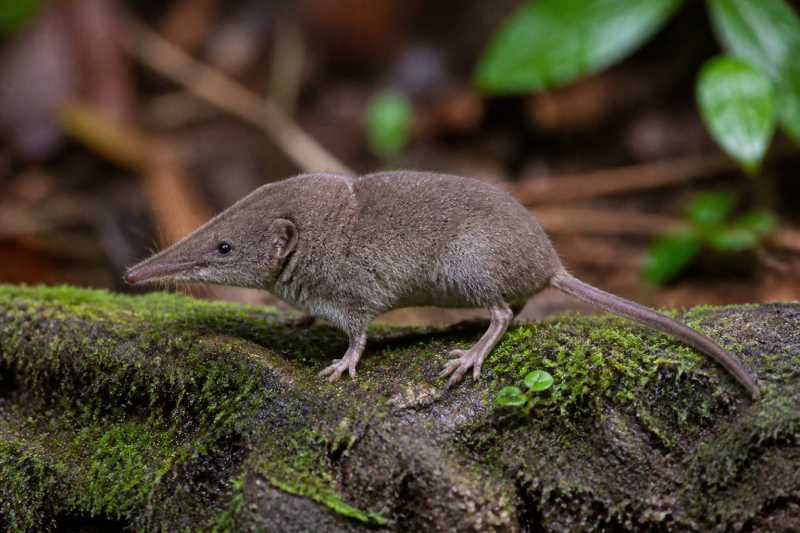
Crocidura balingka is a diminutive mammal, typically measuring between 60 to 80 mm in body length, with an additional tail length of 40 to 55 mm. Its weight ranges from 5 to 10 grams, making it one of the smaller members of the Crocidura genus. The shrew’s fur is predominantly grayish-brown, providing effective camouflage in its natural habitat. As its name suggests, it features white teeth, a distinguishing characteristic among shrews. The snout is elongated and flexible, aiding in the detection of prey, while its small eyes and ears are adapted for life with limited reliance on vision.
Range and Habitat
Endemic to Southeast Asia, the Balingka White-toothed Shrew is primarily found in the dense forests of Sumatra and surrounding islands. These regions offer the humid and tropical conditions necessary for its survival. The shrew favors forest floors with abundant leaf litter, which provides ample cover and hunting grounds. Its range is restricted due to habitat specificity, making it vulnerable to environmental changes.
Behavior and Diet
The Balingka White-toothed Shrew is primarily nocturnal, employing its acute sense of smell and touch to navigate and hunt during the night. Its diet consists mainly of insects, small invertebrates, and occasionally plant matter. The shrew plays an essential role in controlling insect populations, thereby maintaining ecological balance.
Socially, the Balingka White-toothed Shrew is solitary, with individuals coming together only briefly during mating periods. It exhibits territorial behavior, often marking its domain with scent glands. Communication is primarily through high-pitched squeaks and physical gestures.
Identification Tips (Field Recognition Cues)
Identifying the Balingka White-toothed Shrew in the wild can be challenging due to its small size and elusive behavior. Here are some field recognition cues:
- Fur Color: Look for a grayish-brown coat that blends well with forest litter.
- Teeth: White teeth are a distinct feature, though this may require close observation.
- Size and Shape: Note the small size and elongated snout, typical of shrews.
- Behavior: Observe nocturnal activity and rapid, erratic movements when foraging.
Conservation Status (With Threats and Protections)
Currently, the Balingka White-toothed Shrew is not extensively studied, leading to a classification of Data Deficient by the IUCN Red List. However, its limited range and habitat preference suggest it may be under threat from deforestation and habitat degradation.
Threats to its survival include logging, agricultural expansion, and urban development, all of which reduce its natural habitat. Conservation efforts are essential to protect the remaining forest areas and maintain ecosystem balance.
Protected areas within its range provide some safeguarding, but increased research and conservation initiatives are crucial for the long-term survival of the species. Efforts should focus on habitat preservation and restoration, alongside raising awareness of the shrew’s ecological significance.
Frequently Asked Questions
What are the distinguishing features of the Balingka White-toothed Shrew?
The Balingka White-toothed Shrew is characterized by its small size, grayish-brown fur, and distinctive white teeth. Its elongated snout and nocturnal behavior also aid in identification.
Where can the Balingka White-toothed Shrew be found?
This shrew species is endemic to the dense forests of Sumatra and nearby islands in Southeast Asia, where it inhabits forest floors rich in leaf litter.
What does the Balingka White-toothed Shrew eat?
The diet of the Balingka White-toothed Shrew primarily consists of insects and small invertebrates. It occasionally consumes plant matter, playing a role in controlling insect populations.
How does deforestation affect the Balingka White-toothed Shrew?
Deforestation leads to habitat loss and fragmentation, posing significant threats to the Balingka White-toothed Shrew by reducing its living space and resources.
Are there conservation efforts in place for the Balingka White-toothed Shrew?
While specific conservation programs for this species are limited, broader efforts focus on protecting forest habitats in Southeast Asia, which indirectly benefits the shrew.
Related posts