The Elusive Double-banded Greytail: An In-depth Look at Xenerpestes minlosi
The Double-banded Greytail, scientifically known as Xenerpestes minlosi, is a small bird species that has intrigued ornithologists and bird enthusiasts alike. Found predominantly in the subtropical and tropical forests of South America, this fascinating bird is a member of the Furnariidae family. Despite its somewhat inconspicuous appearance, the Double-banded Greytail is a symbol of the rich biodiversity that these regions harbor.
Physical Characteristics
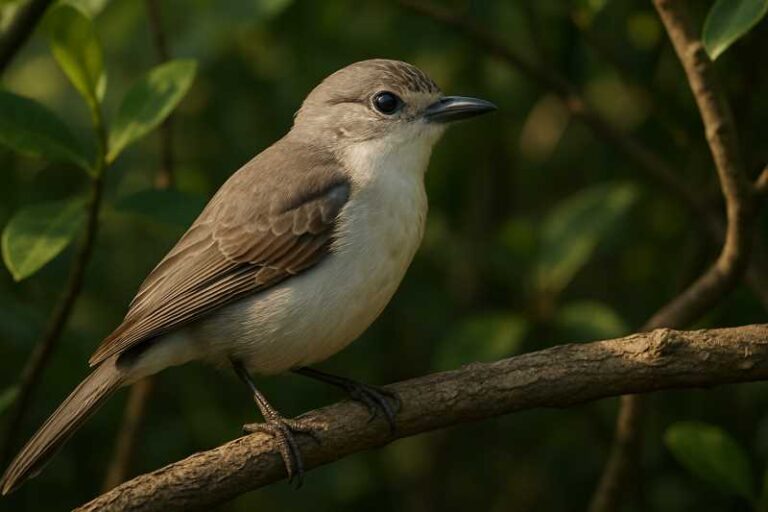
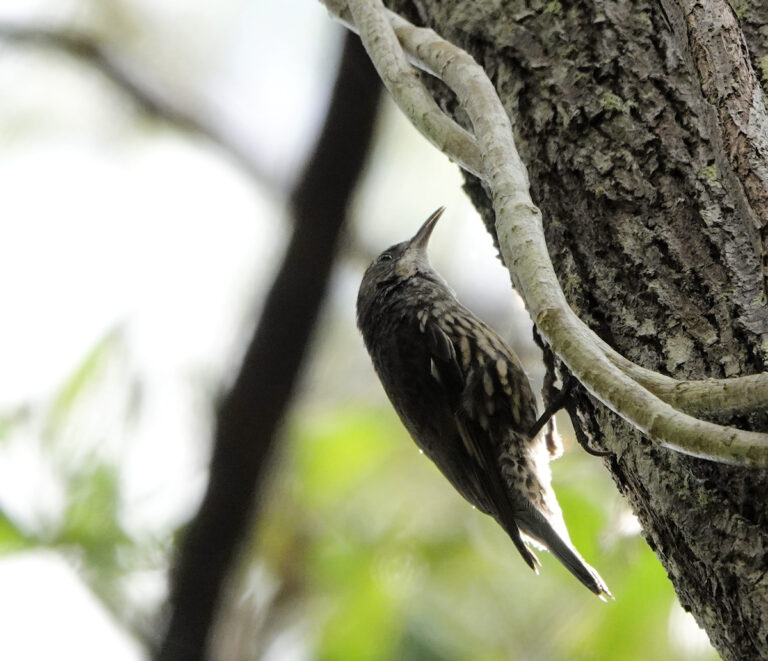
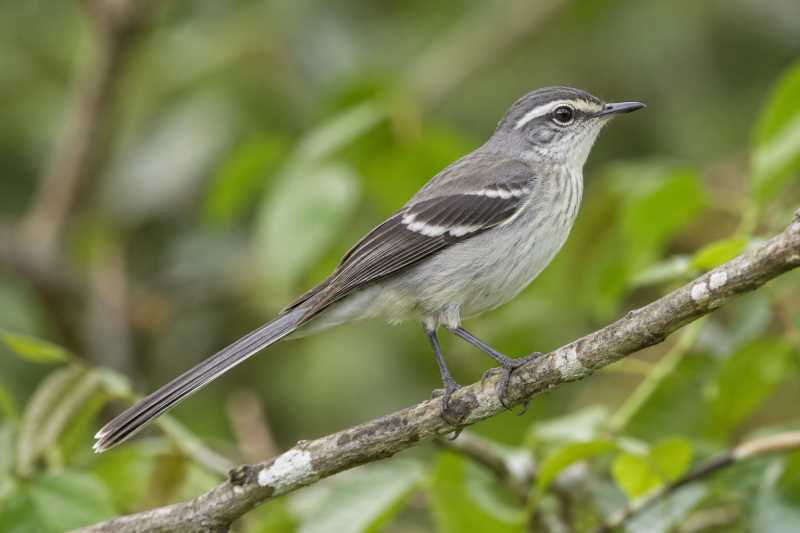
The Double-banded Greytail is a relatively small bird, measuring about 11 to 12 centimeters in length. Its plumage is primarily gray, providing the bird with excellent camouflage against the tree bark and foliage of its habitat. The bird’s most distinctive feature, as its name suggests, is the pair of dark bands on its tail. These bands are not only critical for identification purposes but also play a role in its mating displays and territorial behaviors.
The bird’s underparts are a lighter gray, almost white, which helps it blend seamlessly with the dappled sunlight filtering through the forest canopy. Its wings are short and rounded, optimized for maneuverability rather than long-distance flight. The beak is slender and slightly curved, designed for foraging in the bark and leaves where it finds its food.
Habitat and Distribution
Xenerpestes minlosi is endemic to the Andean regions of Colombia and Ecuador. It thrives in high-altitude cloud forests, where the climate is cool and moist. This bird is often found at elevations ranging from 1,500 to 3,000 meters above sea level. The Double-banded Greytail’s preference for such specific habitat makes it particularly vulnerable to habitat destruction, a common issue in the rapidly deforesting areas of South America.
These birds are arboreal, spending most of their time foraging among the branches and trunks of trees. They are known to be particularly fond of areas with dense undergrowth and a rich supply of epiphytes, which harbor the insects and larvae that make up their diet.
Behavior and Ecology
The Double-banded Greytail is primarily insectivorous, feeding on a variety of small arthropods. It employs a methodical foraging technique, gleaning insects from leaves, bark, and epiphytes. This bird often joins mixed-species flocks, which is a common strategy among small birds in the tropics to increase foraging efficiency and reduce the risk of predation.
Despite its relatively small size, the Double-banded Greytail is an assertive bird. It is known to defend its territory vigorously, using a series of sharp calls to ward off intruders. Its vocalizations are a distinctive feature of the bird, consisting of rapid series of high-pitched notes.
Breeding behaviors of the Double-banded Greytail are not fully documented, but like many forest birds, it is presumed to nest in cavities. These may be natural tree holes or abandoned nests of other species. The bird’s reproductive cycle is thought to be closely tied to the rainy season, which correlates with an abundance of food resources.
Conservation Status
Currently, the Double-banded Greytail is listed as Least Concern by the International Union for Conservation of Nature (IUCN). However, this status does not mean the bird is free from threats. Habitat loss due to agriculture, logging, and human encroachment continues to pose significant risks to its population.
Conservation efforts for Xenerpestes minlosi primarily focus on habitat protection and restoration. Preserving the cloud forests of Colombia and Ecuador is crucial, not only for the Double-banded Greytail but also for countless other species that inhabit these regions. Initiatives aimed at sustainable land use and the establishment of protected areas are essential components of these efforts.
Conclusion
The Double-banded Greytail is a testament to the unique and complex ecosystems of the Andean cloud forests. Its survival hinges on the delicate balance of these habitats, making conservation efforts all the more critical. As we continue to explore the mysteries of this elusive bird, it serves as a reminder of the interconnectedness of life and the importance of preserving our planet’s natural wonders.
Through continued research and conservation, we can hope to ensure that Xenerpestes minlosi remains a thriving part of our world’s avian diversity, delighting future generations with its presence and the rich history it represents.
Related posts