The Vilcabamba Spinetail: A Hidden Gem of Avian Biodiversity
The Vilcabamba Spinetail (Cranioleuca weskei) is a bird that embodies the rich tapestry of life found within the Andes of Peru. Nestled within the dense montane forests of the Vilcabamba range, this species is a testament to the wonders of evolutionary adaptation and ecological specialization. Despite its relatively recent discovery and the limited information available, the Vilcabamba Spinetail has captured the interest of ornithologists and conservationists alike, serving as a symbol of the unique biodiversity of the region.
Classification and Discovery
First described in 1985 by ornithologist John Weske, the Vilcabamba Spinetail belongs to the family Furnariidae, which includes a diverse group of birds known as ovenbirds and woodcreepers. The genus Cranioleuca comprises several species of spinetails characterized by their slender bodies, long tails, and intricate plumage patterns. These birds are primarily found in the tropical and subtropical regions of Central and South America.
The discovery of the Vilcabamba Spinetail added a new layer to our understanding of the region’s ecological complexity. Until its identification, the bird was unknown to science, highlighting the vast potential for further discoveries within the unexplored corners of South America’s mountainous landscapes.
Physical Characteristics and Behavior
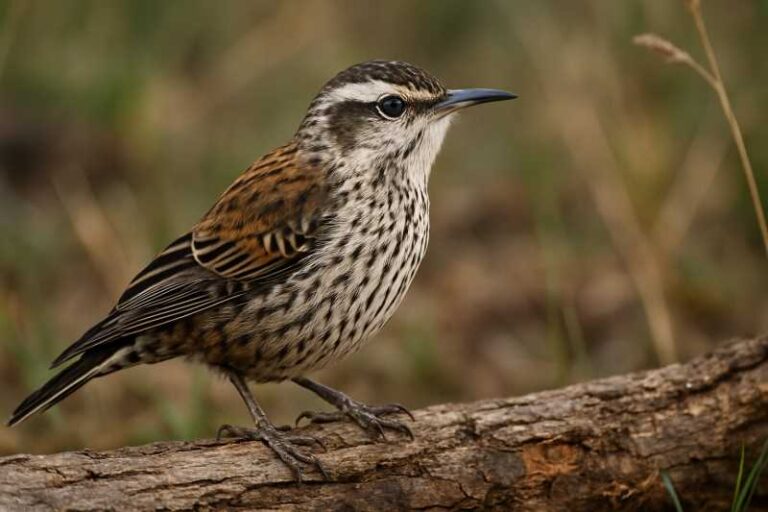
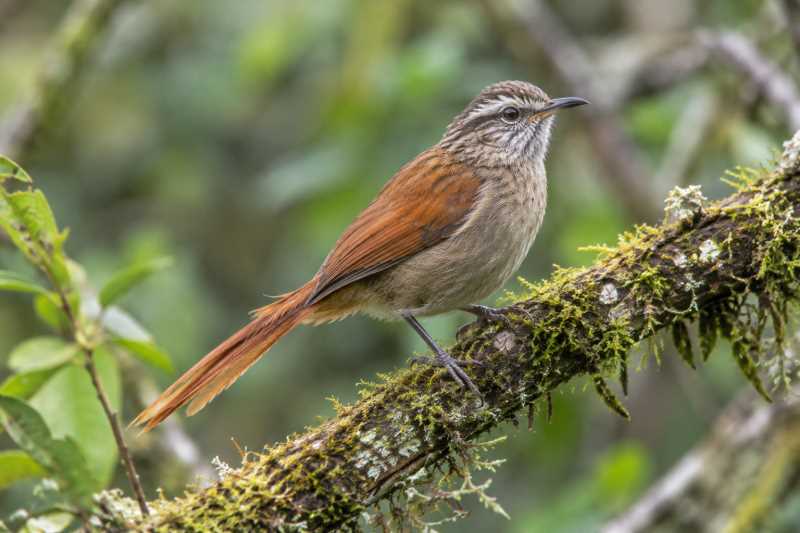
The Vilcabamba Spinetail is a small bird, measuring approximately 15 to 17 centimeters in length. It exhibits a distinct plumage pattern, with rich brown upperparts, a rufous crown, and a slightly paler underside. The bird’s tail is notably long and graduated, a characteristic feature of spinetails that aids in its identification.
Behaviorally, the Vilcabamba Spinetail is known for its active foraging habits. It primarily feeds on insects and other small invertebrates, which it gleans from foliage and branches. The bird’s agile movements and acrobatic maneuvers are adapted to navigating the dense understory of its forest habitat.
Habitat and Distribution
The Vilcabamba Spinetail is endemic to the Vilcabamba mountain range in southern Peru, an area characterized by its rugged terrain and diverse ecological zones. This region, part of the larger Andes mountain system, supports a variety of forest types, from lowland tropical forests to high-altitude cloud forests.
The bird’s habitat is primarily composed of montane forests at elevations ranging from 1,800 to 2,500 meters above sea level. These forests provide the dense vegetation and microhabitats necessary for the spinetail’s survival. Unfortunately, the restricted range and specific habitat requirements of the Vilcabamba Spinetail make it particularly vulnerable to environmental changes.
Conservation Status and Threats
Currently, the Vilcabamba Spinetail is classified as Near Threatened by the International Union for Conservation of Nature (IUCN). The primary threats to its survival include habitat loss due to agricultural expansion, logging, and infrastructure development within its limited range. Additionally, climate change poses a significant risk by altering the delicate balance of the montane ecosystems on which the bird depends.
Conservation efforts are crucial to ensure the long-term survival of the Vilcabamba Spinetail. Protecting its habitat through the establishment of protected areas and sustainable land-use practices is essential. Furthermore, increased research and monitoring are needed to gain a better understanding of the species’ ecology and population dynamics.
Importance of the Vilcabamba Spinetail
The Vilcabamba Spinetail serves as an important indicator species for the health of the montane forest ecosystems in which it resides. Its presence reflects the ecological integrity of these habitats, which support a diverse array of flora and fauna. By focusing conservation efforts on the spinetail and its habitat, we can also protect the myriad other species that share this unique ecological niche.
Moreover, the bird’s story underscores the importance of continued exploration and research in biodiverse regions like the Andes. Each new discovery has the potential to enrich our understanding of the natural world and inform conservation strategies that benefit both wildlife and local communities.
Conclusion
The Vilcabamba Spinetail is more than just a bird; it is a symbol of the rich, yet fragile, biodiversity found in the heart of the Andes. As we strive to preserve the natural world for future generations, the conservation of species like Cranioleuca weskei is crucial. By protecting these birds and their habitats, we safeguard the intricate web of life that sustains us all.
In the face of growing environmental challenges, the Vilcabamba Spinetail reminds us of the beauty and complexity of our planet’s ecosystems. It calls upon us to act as stewards of the earth, ensuring that the natural wonders of today endure for the explorers and conservationists of tomorrow.
Related posts