Introduction
The Diadem Roundleaf Bat, scientifically known as Hipposideros diadema, is a fascinating species belonging to the family Hipposideridae. This bat is notable for its distinctive nose-leaf structure, which plays a crucial role in its echolocation abilities. As one of the largest species within its genus, the Diadem Roundleaf Bat is a subject of interest not only for its unique physical characteristics but also for its ecological role and conservation status. This article delves into various aspects of this captivating mammal, including its physical description, habitat, behavior, and more.
Physical Description
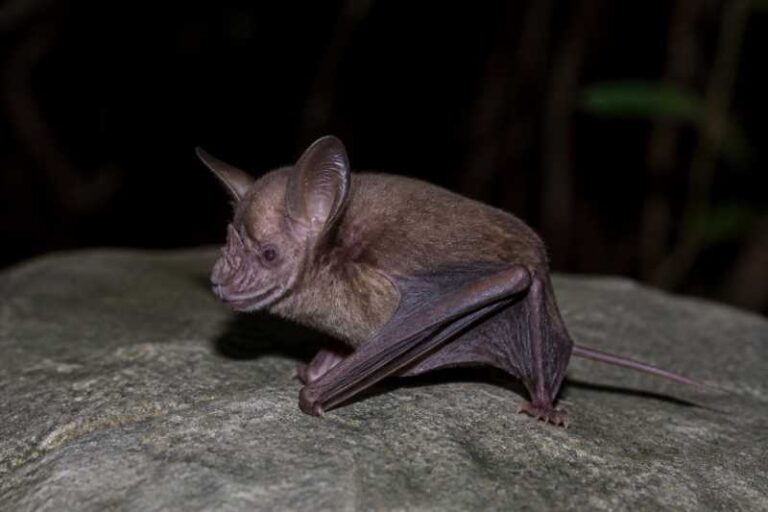
The Diadem Roundleaf Bat is easily recognizable due to its distinct morphological features. It is one of the largest bats in the Hipposideros genus, with a forearm length ranging from 75 to 95 millimeters and a wingspan that can extend up to 60 centimeters. The body mass of this species generally varies between 40 to 70 grams, depending on the geographic location and individual health.
The most striking feature of the Diadem Roundleaf Bat is its nose-leaf, which is shaped like a diadem or crown, hence the name. This complex structure aids in its sophisticated echolocation system, allowing the bat to navigate and hunt efficiently in complete darkness. The fur of the Diadem Roundleaf Bat is usually a combination of brown and gray, providing effective camouflage when roosting in its natural habitat.
Range and Habitat
The Diadem Roundleaf Bat is distributed across Southeast Asia, with its range extending from the Philippines and Indonesia to parts of New Guinea and the Solomon Islands. It occupies a variety of habitats, including tropical forests, mangroves, and even urban areas where suitable roosting sites are available.
These bats are typically found in areas with abundant vegetation, which supports their insectivorous diet. They prefer roosting in caves, hollow trees, and abandoned buildings, often forming colonies that can range from a few individuals to several hundred. The availability of suitable roosting sites and foraging areas heavily influences their distribution and population density.
Behavior and Diet
The Diadem Roundleaf Bat is primarily nocturnal, emerging at dusk to forage for food. Their diet mainly consists of insects, including beetles, moths, and other small arthropods that are abundant in their habitat. The bat uses its advanced echolocation abilities to detect and capture prey with remarkable precision.
Socially, the Diadem Roundleaf Bat is known to form large colonies, which provide protection and facilitate social interactions among individuals. These colonies are often structured with a clear hierarchy, and communication among members is achieved through a series of vocalizations and echolocation calls.
Identification Tips (Field Recognition Cues)
Identifying the Diadem Roundleaf Bat in the field can be achieved by observing several key characteristics:
- Nose-leaf Structure: Look for the distinctive diadem-shaped nose-leaf, which is unique to this species.
- Size and Coloration: Its large size and brown-gray fur can help distinguish it from other bat species in the area.
- Roosting Habits: They are often found in large colonies within caves or hollow trees.
- Echolocation Calls: Listening for their unique echolocation calls, which are often higher in frequency compared to other bats.
Conservation Status (with Threats and Protections)
The Diadem Roundleaf Bat is currently categorized as Least Concern by the International Union for Conservation of Nature (IUCN). However, it faces several threats that could impact its population in the future. These threats include habitat loss due to deforestation, human disturbance of roosting sites, and the potential impacts of climate change.
Conservation efforts for this species include monitoring population trends, protecting critical habitats, and raising awareness about the ecological importance of bats. Legal protections in some regions also help mitigate the impact of human activities on their populations.
Frequently Asked Questions
1. What is the primary diet of the Diadem Roundleaf Bat? The Diadem Roundleaf Bat primarily feeds on insects, such as beetles and moths, using its echolocation abilities to hunt at night.
2. Where can I find Diadem Roundleaf Bats in the wild? These bats are found across Southeast Asia, often roosting in caves, hollow trees, and abandoned buildings in tropical forests and mangroves.
3. How does the Diadem Roundleaf Bat use echolocation? The Diadem Roundleaf Bat uses its specialized nose-leaf to emit echolocation calls, which help it navigate and locate prey in the dark.
4. Are Diadem Roundleaf Bats endangered? Currently, the Diadem Roundleaf Bat is listed as Least Concern, but it faces threats like habitat loss and human disturbance.
5. What are the key identification features of the Diadem Roundleaf Bat? Key features include its large size, distinctive diadem-shaped nose-leaf, brown-gray fur, and its preference for roosting in large colonies.
Related posts