Alpine Field Mouse (Apodemus alpicola): A Comprehensive Guide
Introduction
The Alpine Field Mouse, scientifically known as Apodemus alpicola, is a fascinating species native to the mountainous regions of Europe. This small mammal, often overshadowed by its more ubiquitous relatives, plays a crucial role in its ecosystem. As we delve into the world of the Alpine Field Mouse, we will explore its physical attributes, habitat preferences, behaviors, and the conservation efforts in place to protect this intriguing species.
Physical Description
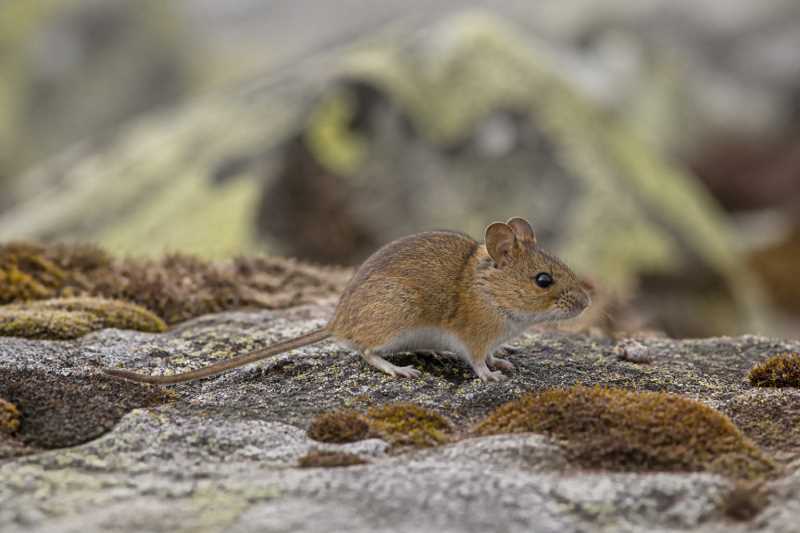
The Alpine Field Mouse is a small rodent, typically measuring between 8 to 12 centimeters in body length, with an additional tail length of 7 to 10 centimeters. Weighing between 20 to 35 grams, it is characterized by its soft, dense fur, which is usually a mix of brown and gray tones, providing excellent camouflage against the rocky alpine terrain. The mouse’s underbelly is lighter, often a pale gray or white, which aids in its identification. Its large, dark eyes and rounded ears are adaptations to its nocturnal lifestyle, enhancing its ability to navigate and forage in low-light conditions.
Range and Habitat
The Alpine Field Mouse is predominantly found in the alpine and subalpine regions of Central and Southern Europe. This includes parts of the Alps, the Carpathians, and other mountainous areas extending into Slovenia, Austria, Switzerland, and Northern Italy. The species has a preference for altitudes ranging from 1,200 to 2,500 meters above sea level, where it inhabits a variety of environments such as coniferous and mixed forests, shrublands, and alpine meadows. These habitats provide the necessary cover and food resources that are essential for their survival.
Behavior and Diet
The Alpine Field Mouse is primarily nocturnal, spending its nights foraging and its days resting in burrows or crevices within its mountainous habitat. Its diet is omnivorous, consisting mainly of seeds, fruits, and small invertebrates. Seasonal variations influence its diet; during the warmer months, it consumes a variety of seeds and berries, while in the colder months, it relies more on stored food and available insects. The mouse’s role as a seed disperser is vital to the health of its ecosystem, aiding in the propagation of various plant species.
Socially, the Alpine Field Mouse is relatively solitary, except during the breeding season when males and females come together to mate. Females give birth to litters of 3 to 8 young after a gestation period of about 25 days. The young are reared in nests constructed from grass and leaves, hidden in secluded spots to protect them from predators.
Identification Tips
Recognizing the Alpine Field Mouse in the field can be challenging due to its elusive nature and similarity to other Apodemus species. However, there are specific cues to aid in identification:
- Size and Shape: Smaller and more robust than other field mice, with a proportionately longer tail.
- Fur Coloration: Distinctive brown and gray fur with a lighter underbelly.
- Behavior: Nocturnal movement patterns and preference for rocky, alpine environments.
- Vocalizations: While generally quiet, they may emit high-pitched squeaks when threatened.
Conservation Status
The Alpine Field Mouse is currently classified as Least Concern by the IUCN Red List, but it faces threats from habitat loss due to human activities such as logging, agriculture, and tourism development in alpine regions. Climate change also poses a significant threat by altering its habitat, potentially reducing the availability of food and suitable living conditions.
Efforts to conserve the Alpine Field Mouse include habitat protection and restoration projects. Many of its habitats fall within protected areas, which helps mitigate some human impact. In addition, ongoing research and monitoring are essential to understanding its population trends and ecological needs.
Frequently Asked Questions
What is the primary habitat of the Alpine Field Mouse?
The Alpine Field Mouse primarily inhabits alpine and subalpine regions across Central and Southern Europe, preferring altitudes between 1,200 and 2,500 meters.
How does the Alpine Field Mouse contribute to its ecosystem?
As a seed disperser, the Alpine Field Mouse plays a crucial role in propagating plant species, thus maintaining the balance and health of its ecosystem.
What are the main threats to the Alpine Field Mouse?
The main threats include habitat loss due to human activities, climate change, and potential competition with other rodent species.
How can one identify an Alpine Field Mouse?
Key identification features include its brown and gray fur, lighter underbelly, nocturnal habits, and preference for rocky alpine habitats.
Is the Alpine Field Mouse endangered?
Currently, the Alpine Field Mouse is not considered endangered, but it faces threats that could impact its populations if not addressed.
Related posts