Alabama Pocket Gopher (Geomys mobilensis): A Comprehensive Guide
Introduction
The Alabama Pocket Gopher, scientifically known as Geomys mobilensis, is a fascinating and somewhat elusive species of the pocket gopher family. These small, burrowing mammals are native to North America and are particularly notable for their ecological role and unique adaptations. Found predominantly in the southeastern United States, especially in Alabama, the Alabama Pocket Gopher plays a critical role in the ecosystems it inhabits. This article delves into the various aspects of the Alabama Pocket Gopher, including its physical description, range and habitat, behavior and diet, and more. Additionally, we will explore the conservation status of this species, providing insights into the threats it faces and the protections in place.
Physical Description
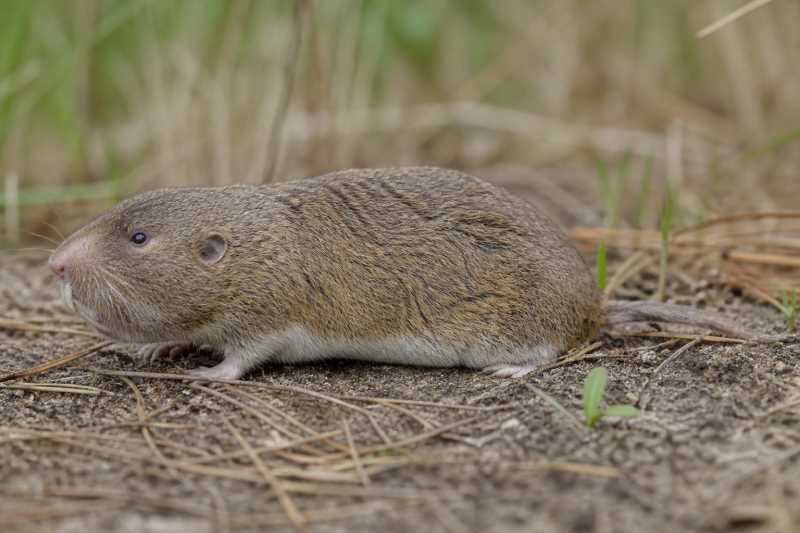
The Alabama Pocket Gopher is a small but robust mammal characterized by its specialized anatomical features suited for a subterranean lifestyle. Adults typically measure between 5.5 to 7.5 inches in length, excluding the tail, which adds an additional 2 to 3 inches. They weigh approximately 6 to 12 ounces. The gopher’s body is cylindrical, aiding its movement through narrow tunnels, while its short, fur-covered tail serves as a sensory organ, assisting in navigating underground.
The fur of the Alabama Pocket Gopher is soft and dense, providing insulation against the cold, moist conditions of its subterranean environment. It is generally a shade of brown or gray, camouflaging well with the soil in which it burrows. The most distinctive feature of this species is its large, fur-lined cheek pouches, or ‘pockets,’ which they use to transport food and nesting materials.
Their powerful forelimbs are equipped with long, curved claws ideal for digging. Meanwhile, their small eyes and ears are adaptations to their underground habitat, where vision and hearing are less critical than in other environments.
Range and Habitat
The Alabama Pocket Gopher is primarily found in the southeastern United States, with a range that is largely restricted to the state of Alabama. They inhabit a variety of ecosystems, including open woodlands, grasslands, and agricultural fields. They prefer sandy or loose soils, which are easier to excavate, and are often found in areas with a high density of herbaceous plants.
These gophers construct elaborate burrow systems that can extend several hundred feet in length. Their burrows serve multiple purposes, including protection from predators, a stable microclimate, and storage space for food. The burrow systems are complex, with specific chambers designated for nesting, food storage, and waste.
Behavior and Diet
Alabama Pocket Gophers are solitary creatures, known for their territorial nature. Each gopher maintains its own burrow system and defends it vigorously against intruders. They are primarily nocturnal, though they may occasionally be active during the day. Their activity is largely dictated by the need to forage for food and maintain their burrow systems.
The diet of the Alabama Pocket Gopher is herbivorous, consisting mainly of roots, tubers, and the occasional above-ground vegetation. They are particularly fond of plants such as grasses and clover. The gophers use their large incisors to clip plants and their cheek pouches to carry food back to their burrows.
Identification Tips (Field Recognition Cues)
Identifying the Alabama Pocket Gopher in the field requires keen observation and knowledge of their distinctive signs. Here are some tips for recognizing this elusive mammal:
- Mound Presence: Look for fan-shaped mounds of soil, which indicate active burrows. These mounds are created as the gopher excavates its tunnels.
- Cheek Pouches: If observed directly, the Alabama Pocket Gopher can be identified by its fur-lined cheek pouches, which are unique to pocket gophers.
- Size and Color: Note the size and coloration of the gopher. They are relatively small, with brown or gray fur that blends well with their environment.
- Burrow Entrances: Investigate any small, plugged burrow entrances. These are often closed with soil, which the gopher compacts to prevent intrusions.
Conservation Status (With Threats and Protections)
The conservation status of the Alabama Pocket Gopher is of concern due to habitat loss and fragmentation. Urban development, agricultural expansion, and land conversion are the primary threats to their habitat. Additionally, they are sometimes considered pests by farmers and landowners, leading to intentional eradication efforts.
Currently, the Alabama Pocket Gopher is not listed as endangered, but conservationists emphasize the importance of habitat preservation to ensure their long-term survival. Efforts to conserve this species include promoting sustainable land-use practices and establishing protected areas.
Frequently Asked Questions
1. What is the lifespan of an Alabama Pocket Gopher?
The Alabama Pocket Gopher typically lives for about 1 to 3 years in the wild. Their lifespan is influenced by factors such as predation, food availability, and environmental conditions.
2. How can I tell if a gopher mound belongs to the Alabama Pocket Gopher?
Gopher mounds can be identified by their fan-shaped appearance and the absence of a visible entrance. The soil is often finely textured, reflecting the gopher’s digging habits.
3. Are Alabama Pocket Gophers dangerous to crops?
While Alabama Pocket Gophers can cause damage to crops due to their feeding habits, they also play a beneficial role in aerating the soil and promoting nutrient cycling.
4. What predators do Alabama Pocket Gophers face?
Common predators include snakes, hawks, owls, and carnivorous mammals such as foxes and bobcats. Their burrowing lifestyle provides some protection against these threats.
5. How do Alabama Pocket Gophers contribute to their ecosystem?
These gophers improve soil health through their burrowing activities, which enhance aeration and water infiltration. They also serve as prey for various predators, contributing to the food web.
Related posts