The Western Gerygone: A Closer Look at Gerygone fusca
Nestled within the diverse avian fauna of Australia is the Western Gerygone (Gerygone fusca), a small and often understated bird that plays a pivotal role in its ecosystem. Known for its delicate appearance and melodious song, the Western Gerygone is an intriguing subject for both ornithologists and bird enthusiasts alike. This article delves into the characteristics, habitat, behavior, and conservation status of this fascinating bird species.
Description and Physical Characteristics
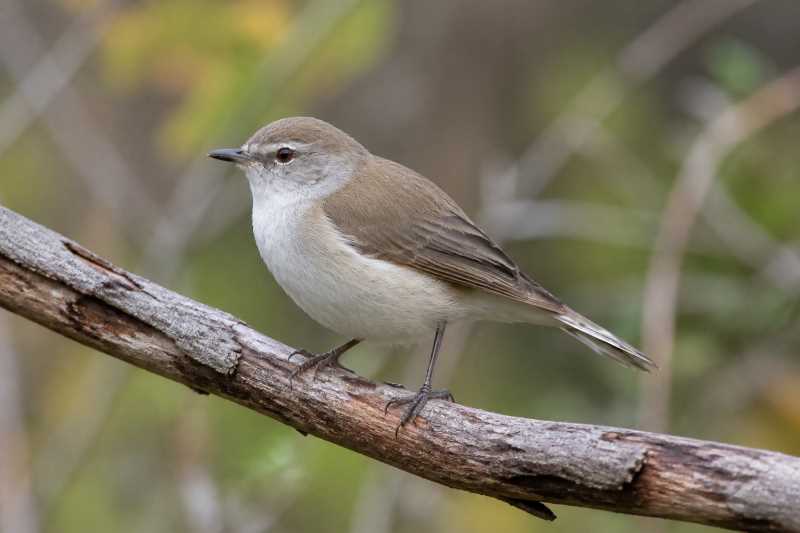
The Western Gerygone is a small passerine bird, typically measuring around 10 centimeters in length. Its plumage is predominantly grey-brown with a lighter underbelly, providing excellent camouflage against the bark and foliage of its native habitat. The subtlety of its coloring is offset by its striking white eye-ring and slender, slightly curved bill, which is well-suited for its insectivorous diet.
Sexual dimorphism is not pronounced in this species, with males and females displaying similar plumage. However, during the breeding season, the male’s song becomes a distinguishing feature, as he uses it to attract a mate and establish his territory.
Habitat and Distribution
The Western Gerygone is predominantly found across the southwestern parts of Australia, including the states of Western Australia, South Australia, and southern parts of the Northern Territory. It inhabits a variety of ecosystems, ranging from open woodlands and dry sclerophyll forests to mallee and heathlands. This adaptability highlights its resilience and versatility in finding suitable environments for feeding and nesting.
Within these habitats, the Western Gerygone is particularly associated with eucalypt trees, which provide both shelter and an ample supply of insects. Its presence in these ecosystems is often indicated by its characteristic song, a series of high-pitched, melodious notes that can be heard echoing through the trees.
Behavioral Traits and Diet
The Western Gerygone is primarily insectivorous, feeding on a variety of insects and spiders. It forages among the foliage, often seen flitting energetically from branch to branch in search of prey. Its agile movements and keen eyesight make it an adept hunter, capable of catching insects mid-flight.
In terms of social behavior, the Western Gerygone is generally solitary or found in pairs, especially during the breeding season. The breeding season runs from July to December, during which the male’s song becomes a central element of courtship rituals. Nests are meticulously constructed as small, domed structures made from grass, bark, and spider webs, often suspended from the fork of a branch.
Vocalization and Communication
One of the most notable attributes of the Western Gerygone is its song. The male’s vocalizations serve multiple purposes: attracting mates, deterring rivals, and communicating with conspecifics. The song is a sequence of high-pitched, melodious notes that varies slightly among individuals, contributing to the bird’s unique identity within its environment.
These vocalizations are not only a pleasure for human listeners but also an essential component of the bird’s behavioral ecology. They facilitate mating and territoriality, both of which are crucial for the survival and propagation of the species.
Conservation Status and Threats
Currently, the Western Gerygone is classified as a species of Least Concern by the International Union for Conservation of Nature (IUCN). This status is attributed to its relatively wide distribution and stable population trends. However, like many avian species, the Western Gerygone faces threats from habitat loss and fragmentation, primarily due to agricultural expansion and urban development.
Conservation efforts for the Western Gerygone focus on preserving its natural habitats and ensuring the maintenance of healthy ecosystems. By protecting large tracts of native vegetation, conservationists aim to provide these birds with the necessary resources to thrive.
Conclusion
The Western Gerygone (Gerygone fusca) is a testament to the intricate beauty and complexity of Australia’s avian life. Its melodious song, adaptability, and ecological role make it a vital part of the ecosystems it inhabits. Continued efforts to understand and protect this species will ensure that it remains a cherished component of Australia’s natural heritage for generations to come.
As we deepen our appreciation and understanding of birds like the Western Gerygone, we reinforce the importance of conserving the rich biodiversity that our world holds. Every songbird, with its unique melody and behavior, contributes to the symphony of life on earth.
Related posts