The Enigmatic Philippine Scops Owl: A Glimpse into Its Life and Habitat
The Philippine Scops Owl (Otus megalotis) is a remarkable avian species endemic to the Philippines, known for its distinctive ear tufts and haunting calls. Revered for its unique appearance and elusive nature, this owl has piqued the interest of ornithologists and birdwatchers alike. This article delves into the characteristics, habitat, and conservation status of this captivating creature, offering a comprehensive understanding of its role in the Philippine ecosystem.
Distinctive Features and Behavior
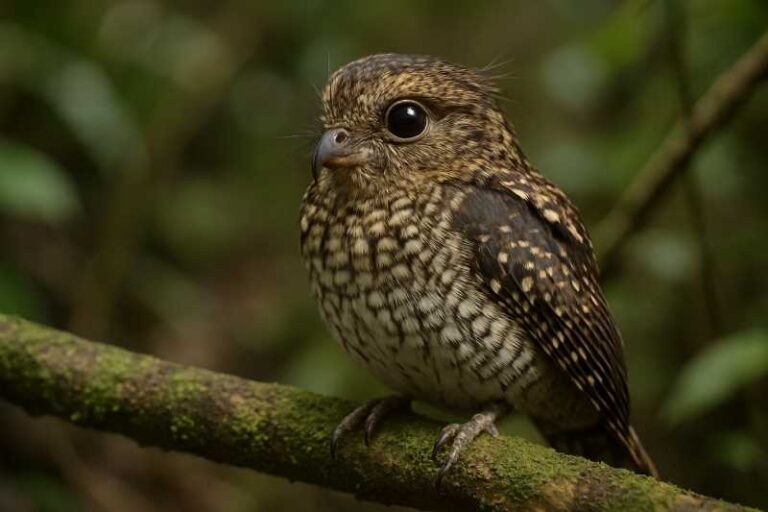
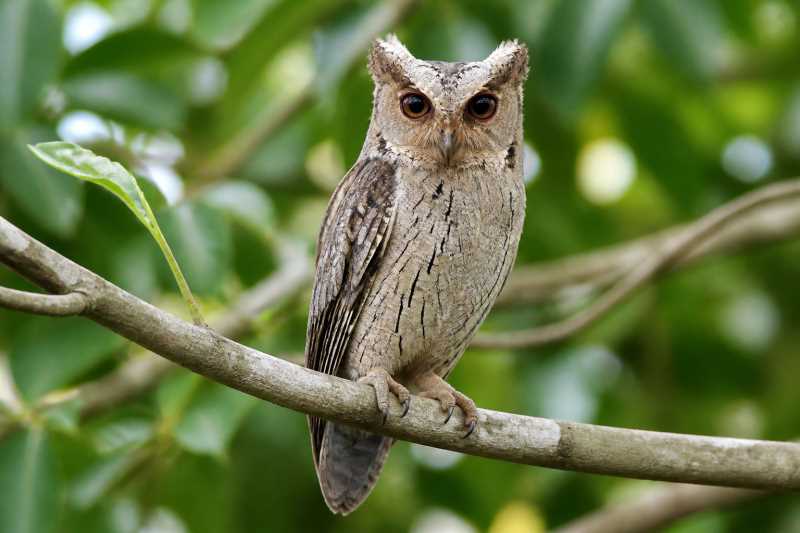
The Philippine Scops Owl is a small species, typically measuring about 20 to 25 centimeters in length. Its plumage is a mottled brown, providing excellent camouflage against the forest backdrop. One of the owl’s most striking features is its prominent ear tufts, which give it a distinctive silhouette. These tufts are not actually related to hearing but are believed to be used for communication and camouflage.
This nocturnal bird is known for its eerie, high-pitched calls, which can often be heard echoing through the forests at night. These calls serve various purposes, including territory establishment and mating. The owl’s diet primarily consists of insects and small vertebrates, which it hunts with remarkable precision using its acute sense of hearing and sight.
Habitat and Distribution
The Philippine Scops Owl is distributed across the islands of Luzon, Catanduanes, Samar, Leyte, Bohol, Mindanao, and Basilan. It inhabits a range of forested environments, from lowland dipterocarp forests to montane forests, often at elevations up to 2,000 meters. Due to its adaptability, the owl can also be found in secondary forests and forest edges, although it prefers dense, undisturbed habitats.
The owl plays a crucial role in the ecosystem as both predator and prey. It helps control insect populations and serves as a food source for larger predators. The health of its population is often seen as an indicator of forest health and biodiversity.
Conservation Status and Threats
Despite its wide distribution, the Philippine Scops Owl faces several threats that have impacted its population numbers. Habitat destruction due to logging, agricultural expansion, and urbanization poses the most significant threat to its survival. Deforestation has led to the fragmentation of its habitat, making it difficult for these owls to find sufficient food and territory.
The International Union for Conservation of Nature (IUCN) currently lists the Philippine Scops Owl as "Least Concern." However, this status does not imply that the species is free from threats. Conservationists emphasize the need for habitat protection and restoration to ensure its continued survival. Efforts are being made to establish protected areas and implement sustainable forestry practices to preserve the natural habitats of this and other native species.
Conservation Efforts and Sustainable Practices
Conservation organizations in the Philippines are actively working to raise awareness about the importance of protecting the Philippine Scops Owl and its habitat. Community-based conservation programs are essential, as they involve local populations in conservation efforts, providing education on sustainable land-use practices and the benefits of biodiversity.
Ecotourism has also been identified as a potential avenue for promoting conservation. By encouraging responsible birdwatching and wildlife tours, communities can generate income while fostering a deeper appreciation for the native wildlife. This approach requires careful management to ensure that tourism activities do not disturb the owls or their habitat.
Conclusion
The Philippine Scops Owl, with its haunting calls and enigmatic presence, is a symbol of the rich biodiversity found in the Philippines. While it faces significant threats from habitat destruction, concerted efforts in conservation and sustainable practices offer hope for its future. Protecting this species not only ensures its survival but also preserves the intricate web of life that it helps support.
Through increased awareness, research, and community involvement, the Philippine Scops Owl can continue to thrive in its natural habitat, serving as a testament to the resilience of nature and the importance of conservation.
For those fascinated by the allure of this nocturnal bird, the call to action is clear: support and engage in efforts to protect the forests of the Philippines, ensuring that the haunting calls of the Philippine Scops Owl continue to echo through the night for generations to come.
Related posts