Understanding the Seaside Sparrow: A Coastal Avian Marvel
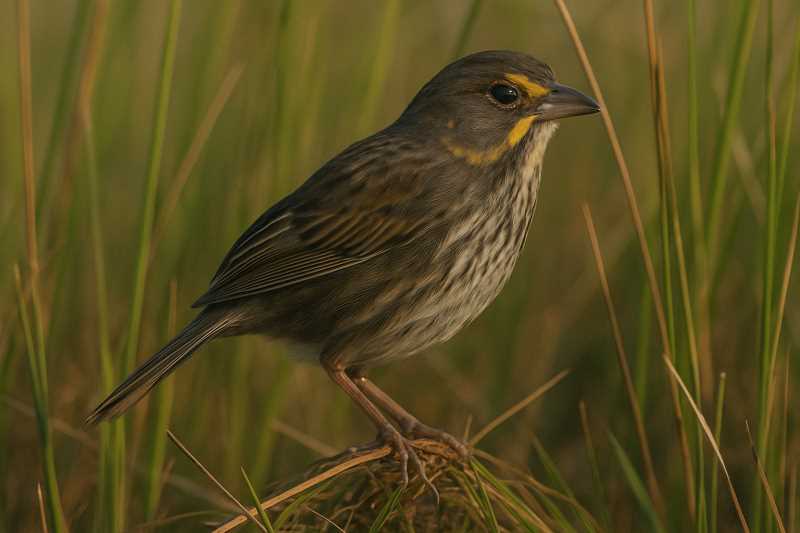
The Seaside Sparrow (Ammospiza maritima) is a unique and intriguing bird species found along the Atlantic and Gulf coasts of the United States. Known for its subtle plumage and melodic song, this small sparrow thrives in salt marshes, a habitat that is both rich in biodiversity and vulnerable to environmental changes. Understanding the Seaside Sparrow’s ecology, behavior, and conservation status is crucial as it serves as an indicator species for the health of coastal ecosystems.
Habitat and Distribution
Seaside Sparrows are primarily found in salt marshes, which are coastal wetlands flooded and drained by saltwater brought in by the tides. These birds are highly adapted to this environment, which provides them with ample food resources and nesting opportunities. The range of the Seaside Sparrow extends from southern Maine down to the coast of Florida and along the Gulf of Mexico to Texas. Different subspecies inhabit different regions, with some like the Dusky Seaside Sparrow, unfortunately, driven to extinction due to habitat loss.
Physical Characteristics
The Seaside Sparrow is a small bird, measuring approximately 5-6 inches in length, with a wingspan of 7-8 inches. Its plumage is predominantly gray with streaks of brown and black, allowing it to blend seamlessly into the marsh grasses. This camouflage is essential for avoiding predators such as larger birds and mammals. The bird’s stout bill is adapted for foraging in the mud for insects, crustaceans, and seeds.
Behavior and Diet
Seaside Sparrows are known for their distinctive song, a series of sharp, buzzing notes that can often be heard during the breeding season as males establish territories and attract mates. These birds are mostly ground foragers, using their bills to probe the mud and grasses for food. Their diet primarily consists of insects and other invertebrates, although they also consume seeds and small aquatic organisms.
During the breeding season, Seaside Sparrows build their nests in dense marsh grasses, usually elevated slightly to protect against flooding. The female constructs the nest and incubates the eggs, while the male defends their territory. The species is generally monogamous, with both parents involved in feeding and caring for the young.
Conservation Status
The Seaside Sparrow is considered a species of concern due to its reliance on increasingly threatened salt marsh habitats. Urban development, rising sea levels, and pollution are significant threats to these environments, directly impacting the Seaside Sparrow’s survival. Conservation efforts are focused on habitat preservation and restoration. Managed retreat, the process of relocating human developments away from vulnerable coastal areas, and the restoration of natural water flow patterns in marshes are some of the strategies being employed to protect these vital habitats.
Additionally, environmental awareness and education play essential roles in the conservation of the Seaside Sparrow. By highlighting the bird’s role as an indicator of coastal ecosystem health, conservationists can garner support for protecting these critical habitats.
The Future of the Seaside Sparrow
The future of the Seaside Sparrow is inherently tied to the health and preservation of salt marshes. As climate change continues to alter coastal landscapes, the adaptability of these birds will be put to the test. Continued research and monitoring are vital in understanding how environmental changes affect their populations and what measures can be taken to ensure their survival.
Success stories in habitat conservation, such as the restoration of marshlands in states like New Jersey and Louisiana, offer hope that with concerted efforts, the Seaside Sparrow can continue to thrive. Collaborative work among government agencies, conservation organizations, and local communities will be key in creating sustainable solutions that benefit both the birds and the broader ecosystem.
The resilience of the Seaside Sparrow and its ability to adapt to changing environments will be a testament to the effectiveness of conservation strategies. By prioritizing the health of salt marshes, we can safeguard not only the future of this fascinating bird but also the myriad of species that share its habitat.
Related posts