The Oahu Amakihi: A Resilient Symbol of Hawaii’s Avian Diversity
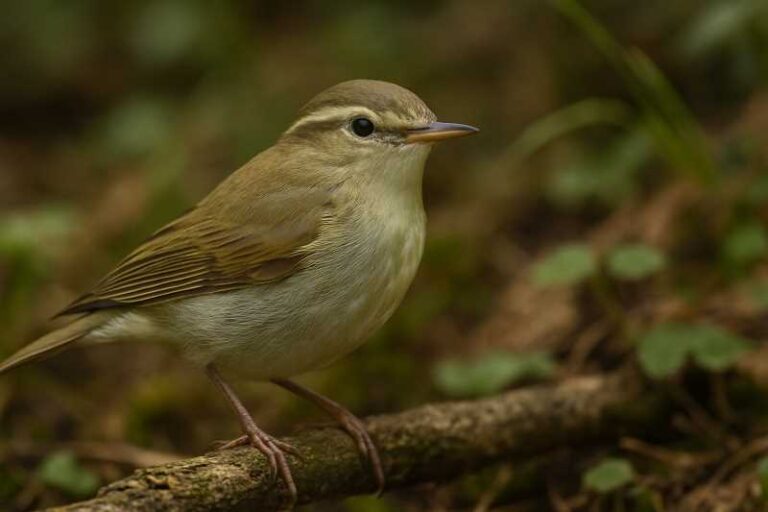
The Oahu Amakihi (Chlorodrepanis flava) is a remarkable example of resilience and adaptation amidst the challenges facing Hawaii’s native bird species. As one of the Hawaiian honeycreepers, the Oahu Amakihi is a small songbird endemic to the island of Oahu. Known for its vibrant yellow-green plumage and curved beak, the Amakihi plays a crucial role in the island’s ecosystem, primarily through its pollination activities.
Historically, the Hawaiian Islands have been a cradle of evolution, fostering unique species through geographic isolation. However, with the advent of human settlement and the introduction of non-native species, the islands’ delicate ecosystems have been under siege. Habitat destruction, disease, and climate change have pushed many native species to the brink of extinction, making the survival of birds like the Oahu Amakihi even more remarkable.
Adaptation and Survival
The Oahu Amakihi has shown an impressive capacity for adaptation. Unlike other native Hawaiian birds, which have been decimated by avian malaria carried by introduced mosquitoes, the Oahu Amakihi has demonstrated resistance to this disease. Studies suggest that this resistance may be due to a combination of genetic factors and behavioral changes, such as utilizing higher altitudes where mosquitoes are less prevalent. This adaptability has allowed the Amakihi to maintain relatively stable populations compared to other Hawaiian honeycreepers.
The ability of the Oahu Amakihi to thrive in a variety of habitats, from lowland forests to montane regions, further underscores its resilience. The bird primarily feeds on nectar from native flowers, such as `ohi?a lehua, as well as insects and fruit, making it an essential pollinator and a key player in seed dispersal. This dietary flexibility also supports its survival across different environments on the island.
Conservation Efforts
Despite its resilience, the Oahu Amakihi is not free from threats. Habitat loss due to urban development and invasive plant species continues to pose significant challenges. Conservation efforts are crucial to ensure that this species, along with other native Hawaiian birds, can continue to thrive. Organizations like the Hawai’i Department of Land and Natural Resources and various conservation groups are working tirelessly to restore native habitats and control invasive species.
Efforts also include the strategic removal of feral animals that disrupt the natural ecosystem and the reforestation of native plants, which provide essential food and nesting sites for the Amakihi. Furthermore, research into the genetic makeup of the Oahu Amakihi is ongoing, offering insights into how resistance to diseases like avian malaria can inform broader conservation strategies.
The Role of Public Awareness
Public awareness and education are integral components of conservation success. By highlighting the importance of the Oahu Amakihi and other native species, conservationists hope to foster a deeper appreciation for Hawaii’s unique biodiversity. Community involvement in restoration projects, citizen science initiatives, and ecotourism can all contribute to the protection of these avian treasures.
In conclusion, the Oahu Amakihi stands as a symbol of hope and resilience in the face of environmental change. While challenges remain, the bird’s adaptability and the concerted efforts of conservationists provide a promising outlook for the future. Protecting the Oahu Amakihi not only preserves a species but also safeguards the ecological heritage of Hawaii for generations to come.
Related posts