
Introduction
The Arrow-marked Babbler (Turdoides jardineii) is a fascinating bird species belonging to the Leiothrichidae family. Known for its sociable nature and distinctive vocalizations, this bird is native to sub-Saharan Africa. The Arrow-marked Babbler thrives in environments ranging from dry savannas to lush riverine woodlands, displaying remarkable adaptability. This article delves into the species’ characteristics, habitat, behaviors, and conservation status, offering an in-depth exploration of its ecological significance.
Physical Characteristics
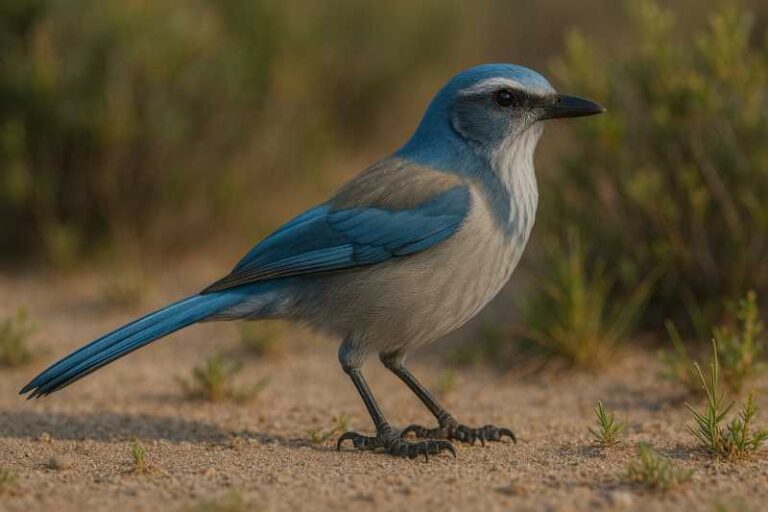
The Arrow-marked Babbler is a medium-sized bird, measuring approximately 22 to 25 centimeters in length and weighing between 70 to 90 grams. Its plumage is predominantly brown, with distinctive arrow-shaped markings on the throat and breast, which give the bird its name. The eyes are a striking pale yellow, contrasting sharply with its dark face mask. The bill is strong and slightly curved, adapted for foraging and feeding.
Habitat and Distribution
Arrow-marked Babblers are predominantly found in sub-Saharan Africa, with a range that extends from the southern parts of the continent up to the equatorial regions. They inhabit a variety of environments, including woodlands, savannas, and forests. These birds prefer areas with dense undergrowth where they can forage and nest. They are highly adaptable, thriving in both natural and human-altered landscapes, such as gardens and agricultural lands.
Behavior and Social Structure
Arrow-marked Babblers are highly social birds, often seen in groups of 5 to 15 individuals. These flocks are typically composed of family units, with intricate social hierarchies. Communication is a key component of their social structure, and they are known for their rich vocal repertoire. Their calls, a series of harsh cackling notes, play a crucial role in maintaining group cohesion and territory defense.
Foraging and Diet
The diet of the Arrow-marked Babbler is omnivorous, consisting of insects, small vertebrates, and a variety of fruits and seeds. They forage primarily on the ground, using their strong bills to sift through leaf litter and soil. Their foraging behavior is often cooperative, with group members working together to locate and capture prey.
Breeding and Reproduction
Breeding in Arrow-marked Babblers is a cooperative affair, often involving multiple group members in the care of the young. The breeding season varies depending on the region but generally coincides with the rainy season when food is abundant. Nests are constructed in dense vegetation, providing protection from predators. Typically, a clutch consists of 2 to 4 eggs, with both parents and helpers participating in incubation and feeding the chicks.
Vocalizations and Communication
Communication among Arrow-marked Babblers is sophisticated and multifaceted. Their vocal repertoire includes a range of calls, from territorial songs to alarm calls. These vocalizations serve not only to coordinate group activities but also to reinforce social bonds and deter potential intruders. Studies have shown that these birds can distinguish between the calls of familiar group members and unfamiliar individuals, highlighting their complex social intelligence.
Predators and Threats
Arrow-marked Babblers face predation from a variety of animals, including snakes, raptors, and mammals. Their social structure provides a degree of protection, as group members can mob predators and issue alarm calls to alert others of danger. Despite these natural threats, the primary challenges facing this species stem from habitat loss and degradation due to human activities.
Conservation Status
Currently, the Arrow-marked Babbler is classified as Least Concern by the International Union for Conservation of Nature (IUCN). This status reflects its wide distribution and stable population numbers. However, ongoing habitat destruction poses a potential threat, emphasizing the need for continued monitoring and conservation efforts. Protecting their habitats, particularly in regions undergoing rapid development, is crucial for ensuring the long-term survival of this species.
Ecological Importance
Arrow-marked Babblers play a vital role in their ecosystems. As insectivores, they help control insect populations, contributing to the ecological balance. Their foraging activities also aid in seed dispersal, promoting plant diversity and regeneration. Additionally, as prey for larger predators, they form an integral part of the food web.
Human Interaction and Cultural Significance
In several African cultures, Arrow-marked Babblers are often associated with omens and folklore. Their vocalizations are sometimes interpreted as warnings or messages. Despite their cultural significance, these birds are generally well-tolerated and even welcomed in human-dominated landscapes due to their pest-control benefits.
Conclusion
The Arrow-marked Babbler exemplifies the intricate connections between species and their environments. Its adaptability, social complexity, and ecological roles underscore the importance of preserving biodiversity. As we continue to impact natural habitats, understanding and protecting species like the Arrow-marked Babbler becomes increasingly vital. By fostering awareness and implementing conservation measures, we can ensure that this charismatic bird continues to thrive in the wild.
Related posts