The Enigmatic Superb Pitta: A Jewel of the Solomon Islands
The avian world is replete with fascinating species, each with its unique charm and ecological significance. Among these, the Superb Pitta (Pitta superba) stands out as an emblematic bird that captures the imagination of ornithologists and bird watchers alike. Native to the Solomon Islands, this elusive bird is a testament to the wonders of biodiversity and the intricate balance of tropical ecosystems.
A Glimpse into the Habitat and Distribution
The Superb Pitta is predominantly found in the dense understory of the lowland rainforests on the islands of Bougainville and Guadalcanal. Its preference for secluded, dense habitats makes it a challenging bird to observe, adding to its allure. These islands provide an ideal environment, with their rich biodiversity and complex ecosystems supporting a myriad of plant and animal life. The pitta’s habitat is characterized by high humidity, abundant rainfall, and a thick canopy that shields the forest floor from direct sunlight, creating a perfect refuge for this shy bird.
Physical Characteristics: A Canvas of Vivid Colors
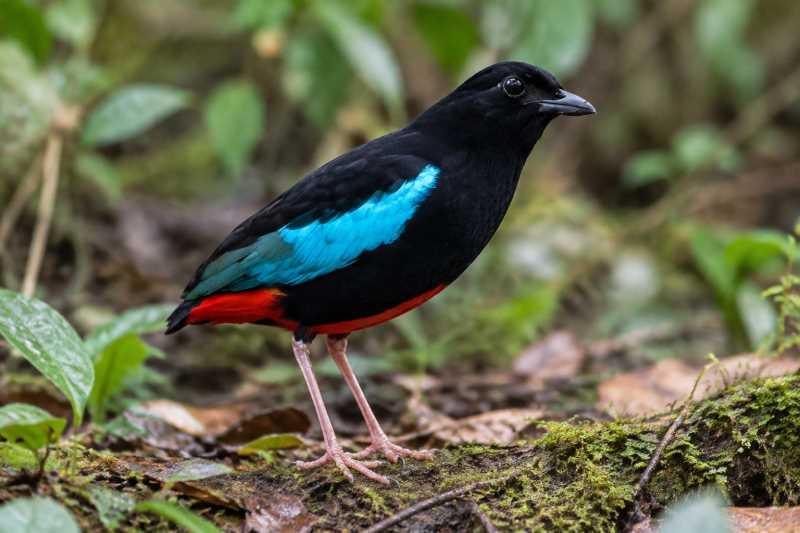
The Superb Pitta is aptly named for its striking appearance. It boasts a brilliant combination of colors that render it unmistakable among the avian fauna. The bird’s plumage is predominantly blue and black, with an iridescent quality that can appear to shimmer in the dappled sunlight of its forest home. The head is adorned with a black crown and a striking red patch on the nape, creating a vivid contrast against the otherwise dark plumage. The underparts are a rich, deep blue, transitioning to black towards the wings and tail. These vibrant colors, while stunning, also serve a practical purpose, aiding in camouflage amid the shadows and dappled light of the forest.
Behavior and Ecology: Masters of the Forest Floor
The Superb Pitta is a ground-dwelling bird, spending much of its time foraging among the leaf litter for insects, small invertebrates, and occasionally small vertebrates. Its foraging behavior is characterized by short, quick hops and a keen sense of observation, allowing it to detect even the slightest movement on the forest floor. Despite its bright appearance, the pitta is remarkably elusive, often heard rather than seen. Its call, a series of melodious whistles, is a distinctive sound in its habitat, often marking the presence of these otherwise inconspicuous birds.
In addition to their foraging habits, Superb Pittas are known for their secretive nesting behavior. They build their nests close to the ground, often in dense undergrowth, using a variety of natural materials like leaves, twigs, and moss. This nesting strategy not only protects them from predators but also maintains the humidity levels necessary for egg incubation.
Conservation Status: Challenges and Efforts
The Superb Pitta is currently classified as Vulnerable on the IUCN Red List. This status is primarily due to habitat loss and degradation, driven by logging and agricultural expansion in the Solomon Islands. The destruction of lowland rainforests poses a significant threat to these birds, as it disrupts their natural habitat and reduces the availability of food and nesting sites.
Conservation efforts are critical to preserving the Superb Pitta and its habitat. Initiatives aimed at sustainable land use and forest conservation are essential to mitigate the pressures of logging and agriculture. Additionally, raising awareness among local communities about the ecological importance of these birds and their habitats can foster a sense of stewardship and encourage participation in conservation efforts.
The Role of Research and Ecotourism
Research plays a pivotal role in understanding the ecology and behavior of the Superb Pitta, providing insights that are critical for effective conservation strategies. Studies focusing on habitat preferences, breeding behaviors, and population dynamics can inform targeted conservation actions and policy-making.
Ecotourism also presents a potential avenue for conservation. By promoting birdwatching and ecotourism in the Solomon Islands, local communities can benefit economically while supporting conservation efforts. This approach not only generates income but also incentivizes the preservation of natural habitats, creating a sustainable model for conservation.
Conclusion: A Call to Action
The Superb Pitta is a symbol of the unique biodiversity found in the Solomon Islands, representing both the beauty and fragility of tropical ecosystems. Protecting this remarkable bird requires concerted efforts from conservationists, researchers, local communities, and policymakers. By prioritizing habitat conservation and sustainable practices, we can ensure that future generations will continue to marvel at the beauty of the Superb Pitta and the lush landscapes it inhabits.
In a world where biodiversity is increasingly under threat, the Superb Pitta serves as a poignant reminder of the intricate web of life that sustains our planet. Let us strive to preserve this jewel of the Solomon Islands, ensuring that its vibrant calls continue to echo through the rainforests for generations to come.
Related posts