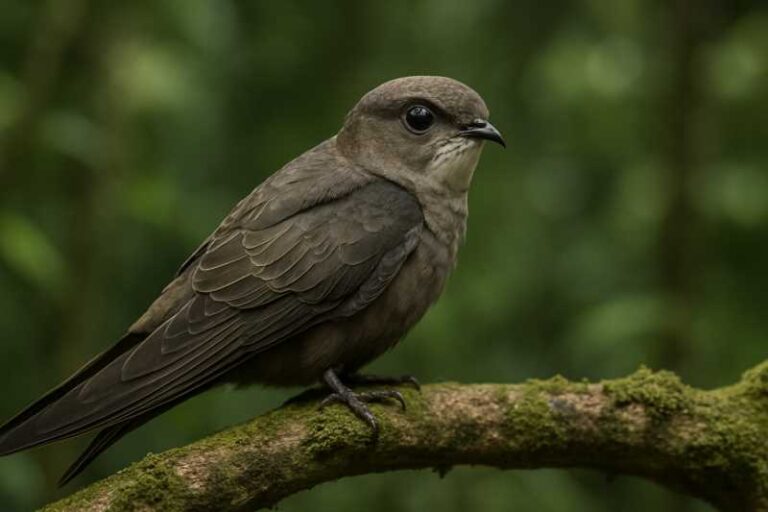
The Enigmatic Sunda Frogmouth: An In-Depth Look at Batrachostomus cornutus
The Sunda Frogmouth (Batrachostomus cornutus) is an elusive and fascinating bird species that has captivated ornithologists and bird enthusiasts alike. Found predominantly in the dense forests of Southeast Asia, particularly in the Malay Peninsula, Sumatra, and Borneo, this species is a testament to the rich biodiversity of the region. This article delves into the unique characteristics, habitat, behavior, and conservation status of the Sunda Frogmouth, shedding light on why this bird remains one of nature’s remarkable enigmas.
Physical Characteristics
The Sunda Frogmouth is a medium-sized bird, approximately 25-30 cm in length, with a distinctive appearance that sets it apart from other avian species. Its plumage is a blend of mottled brown, grey, and black, providing excellent camouflage against the forest backdrop. This cryptic coloration is essential for its survival, as it helps the bird to remain undetected by predators and prey alike.
One of the most striking features of the Sunda Frogmouth is its broad, flat bill, which resembles that of a frog—hence its name. This unique adaptation is perfectly suited for its insectivorous diet. The bird also possesses large, forward-facing eyes that provide excellent night vision, as the Sunda Frogmouth is primarily nocturnal.
Habitat and Distribution
The Sunda Frogmouth inhabits the lowland and montane forests of Southeast Asia, with a preference for dense, humid environments. These forests provide ample cover and abundant food sources, making them ideal habitats for this secretive bird. The species is most commonly found in primary forests but can also adapt to secondary forests and forest edges.
Despite its relatively wide range, the Sunda Frogmouth’s population is not evenly distributed, with certain areas harboring more individuals than others. This patchy distribution is largely attributed to the availability of suitable habitats, which are increasingly under threat from deforestation and habitat fragmentation.
Behavior and Diet
As a nocturnal bird, the Sunda Frogmouth is most active during the night, spending its days roosting on tree branches, relying on its cryptic plumage for concealment. Its behavior is often described as sedentary, with individuals remaining in the same area for extended periods unless disturbed.
The diet of the Sunda Frogmouth primarily consists of insects and other small invertebrates, which it captures using its wide beak. It employs a sit-and-wait hunting strategy, perching silently in the foliage before swooping down to catch prey. This method of hunting not only conserves energy but also minimizes exposure to predators.
Breeding and Reproduction
The breeding season of the Sunda Frogmouth varies across its range, generally coinciding with the rainy season when food is abundant. The species is monogamous, with pairs often forming long-term bonds. Nests are typically constructed on horizontal branches, using materials such as leaves, twigs, and moss, and are well-camouflaged to protect against predators.
Females usually lay one or two eggs, which both parents incubate. The incubation period lasts around 30 days, followed by a fledging period of approximately 25 days. During this time, both parents are actively involved in feeding and protecting the chicks.
Conservation Status and Threats
The International Union for Conservation of Nature (IUCN) currently lists the Sunda Frogmouth as “Least Concern.” However, this status does not imply that the species is free from threats. The primary concern for the Sunda Frogmouth is habitat loss due to logging, agricultural expansion, and urban development. These activities lead to forest fragmentation, which not only reduces available habitat but also isolates populations, making them more vulnerable to extinction.
Conservation efforts are crucial to ensure the survival of the Sunda Frogmouth. Protecting and restoring its natural habitat, alongside promoting sustainable land-use practices, will be vital in preserving this species for future generations.
Conclusion
The Sunda Frogmouth is a remarkable example of the biodiversity found within Southeast Asian forests. Its unique adaptations, nocturnal lifestyle, and elusive nature make it a subject of intrigue and admiration. While currently not at immediate risk of extinction, the Sunda Frogmouth faces ongoing threats from habitat destruction. Concerted conservation efforts are necessary to preserve this enigmatic bird and the rich ecosystems it inhabits. By raising awareness and implementing effective conservation strategies, we can help ensure that the Sunda Frogmouth continues to thrive in its natural habitat.
Related posts