The Enigmatic Stock Dove: A Closer Look at Columba oenas
The Stock Dove, scientifically known as Columba oenas, is a fascinating yet often overlooked member of the pigeon and dove family, Columbidae. Despite its subtle beauty and intriguing behaviors, it typically resides in the shadow of its more flamboyant relatives, such as the feral pigeon or the wood pigeon. However, a deeper exploration reveals the Stock Dove as a species worthy of admiration and study.
Physical Characteristics
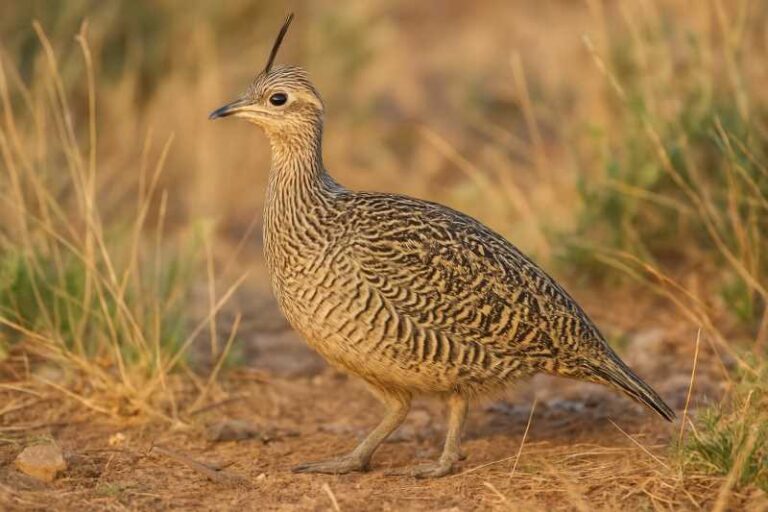
The Stock Dove is a medium-sized bird, measuring approximately 32-34 centimeters in length, with a wingspan ranging from 63-69 centimeters. It weighs between 290-330 grams, making it slightly smaller than the wood pigeon. Its plumage is predominantly a soft, smoky blue-grey, with a noticeable iridescent green patch on the neck, often shimmering with a purple hue in sunlight. Unlike the wood pigeon, the Stock Dove lacks the white neck patch, which is a key distinguishing feature. Its eyes are dark, and it sports a pale pink beak, which adds to its understated elegance.
Distribution and Habitat
The Stock Dove is widely distributed across Europe and into western Asia. Its range stretches from the British Isles and Scandinavia to the Iberian Peninsula, extending eastward into Russia and parts of Central Asia. Although it is primarily a resident bird, some populations in the northern regions migrate southward during the harsh winter months.
Stock Doves prefer mixed woodlands, farmland, and parklands for their habitat, often nesting in tree cavities or abandoned woodpecker holes. They demonstrate a remarkable adaptability, sometimes opting for man-made structures such as barns or old buildings when natural sites are unavailable.
Behavior and Diet
These doves are primarily seed-eaters, with a diet consisting of a wide variety of seeds and grains, including those of cereals, wild plants, and grasses. They forage on the ground, often in flocks that can include other pigeon species, which may contribute to their underappreciation as they blend into these mixed groups.
Stock Doves are known for their gentle and unobtrusive nature. They are less likely to feed in urban areas compared to feral pigeons, preferring the tranquility of rural environments. During the breeding season, which typically occurs from March to September, males perform a characteristic display flight to attract females. This involves a series of wing claps followed by a glide with wings held stiffly upwards, an aerial ballet that is both subtle and captivating.
Breeding and Life Cycle
The breeding process of the Stock Dove is a testament to their adaptability. They can raise up to three broods per season, with each clutch typically consisting of two eggs. The incubation period lasts around 16-18 days, with both parents sharing the responsibility of incubating the eggs and feeding the young. Nestlings fledge approximately three to four weeks after hatching, demonstrating rapid growth facilitated by the nutrient-rich ‘pigeon milk’ produced by both parents.
Stock Doves exhibit strong site fidelity, often returning to the same nesting site year after year. This loyalty to their breeding grounds is crucial for their survival, as it ensures access to known resources and reduces the energy expenditure associated with establishing new territories.
Conservation Status
Currently, the Stock Dove is classified as a species of Least Concern by the International Union for Conservation of Nature (IUCN). Despite this, local populations in some areas face threats from habitat loss due to agricultural intensification and competition for nesting sites with feral pigeons and other cavity-nesting species. Conservation efforts focusing on preserving mixed woodlands and maintaining open landscapes are vital to ensuring the continued survival of this species.
Cultural Significance
Throughout history, doves have symbolized peace and love, and while the Stock Dove may not feature prominently in folklore or religious iconography compared to its relatives, it embodies these qualities through its gentle demeanor and harmonious existence within its environment. Its soft cooing is a soothing presence in the countryside, offering a reminder of nature’s quieter, more serene aspects.
In conclusion, the Stock Dove is a bird of understated beauty and resilience. Its ability to adapt to a range of habitats, combined with its gentle nature, makes it a valuable species within its ecosystem. As we continue to explore and understand the intricate dynamics of wildlife, the Stock Dove serves as a reminder of the subtle wonders present in the natural world, deserving of both our attention and protection.
Related posts