Understanding the Magnificent Short-tailed Shearwater: A Glimpse into its Life and Habitats
The Short-tailed Shearwater (Ardenna tenuirostris) is a remarkable seabird known for its incredible migratory patterns and its significant role in marine ecosystems. This species, commonly referred to as the "Tasmanian Muttonbird," predominantly breeds on the islands surrounding Tasmania and is an impressive sight to behold during its annual migration.
Physical Characteristics
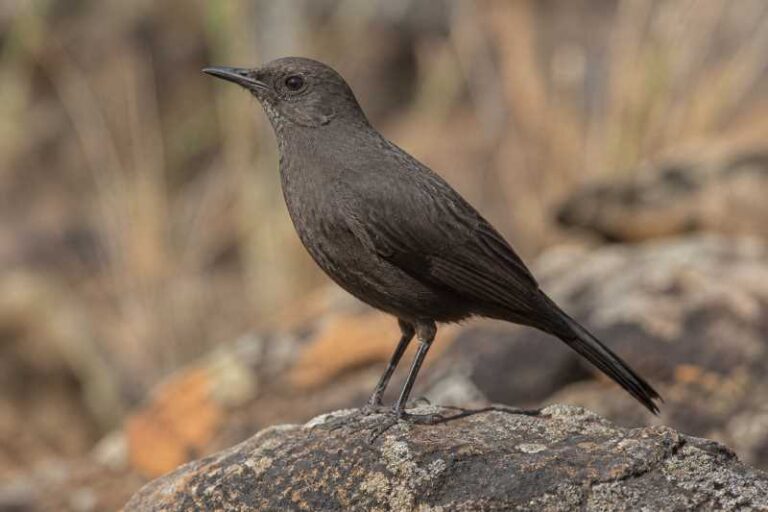
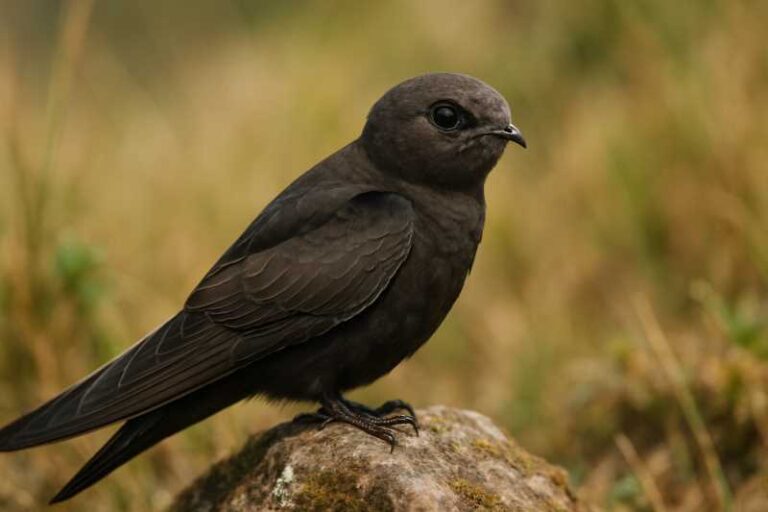
The Short-tailed Shearwater is a medium-sized bird, with a wingspan ranging from 85 to 100 cm and a body length of approximately 40 to 45 cm. Its plumage is predominantly dark brown, often appearing almost black, with slightly lighter underparts. The bird’s name is derived from its relatively short tail compared to other shearwater species, contributing to its distinctive silhouette during flight.
Habitat and Distribution
These shearwaters are pelagic birds, meaning they spend the majority of their lives at sea, only coming to land to breed. Their breeding grounds are concentrated around the southern coast of Australia, particularly on islands off Tasmania. Outside the breeding season, they embark on an extraordinary trans-equatorial migration, traveling north to the waters off the coasts of Japan, Alaska, and the western United States. This migration covers an impressive distance annually, showcasing the shearwater’s navigational prowess and endurance.
Breeding and Behavior
Breeding season for the Short-tailed Shearwater begins in late September when these birds return to their nesting sites in massive flocks. They nest in burrows, often forming dense colonies that can consist of thousands of pairs. Each pair produces a single egg, with both parents sharing incubation duties over approximately 53 days. Once hatched, the chicks are cared for by both parents until they fledge, which occurs after about 90 days.
The colonies are bustling with activity, and the social nature of these birds is a fascinating aspect of their behavior. Vocalizations play an important role in communication within the colony, especially during the breeding season.
Ecological Importance
Short-tailed Shearwaters are integral to the marine ecosystems they inhabit. As predators, they primarily feed on small fish, krill, and other marine invertebrates, playing a crucial role in controlling these populations. Moreover, they serve as prey for larger marine predators and contribute to the nutrient cycle through their guano, which enriches the soil in breeding areas.
Conservation Status and Threats
While the Short-tailed Shearwater is currently classified as Least Concern by the IUCN, it faces several threats that could impact its populations. Climate change poses a significant threat by affecting food availability and altering the conditions of breeding sites. Overfishing and bycatch in commercial fisheries also pose risks, as do oil spills and marine pollution.
Conservation efforts are crucial to ensure the continued survival of this species. Protecting their breeding habitats, mitigating the impacts of climate change, and reducing bycatch in fisheries are essential measures that need to be prioritized.
Conclusion
The Short-tailed Shearwater is a testament to the wonders of avian migration and the complexity of marine ecosystems. Its journey across the globe, driven by instinct and necessity, is a reminder of the interconnectedness of our natural world. As stewards of the environment, it is our responsibility to ensure that these magnificent birds, and the ecosystems they inhabit, continue to thrive for generations to come.
In conclusion, the Short-tailed Shearwater is not just a bird; it is a vital component of our planet’s biodiversity, deserving of our admiration and protection.
Related posts