The Enigmatic Española Mockingbird: A Beacon of Biodiversity
The Española Mockingbird (Mimus macdonaldi) is a fascinating species endemic to Española Island in the Galápagos archipelago. This bird is not just an emblem of the island’s unique ecosystem but also serves as an important indicator of the environmental health of the region. With its limited range and distinct behaviors, the Española Mockingbird offers valuable insights into the evolutionary processes and ecological dynamics that define island biogeography.
Taxonomy and Description
The Española Mockingbird belongs to the family Mimidae, which includes other species of mockingbirds, thrashers, and tremblers. Described scientifically by Charles Darwin during his voyage on the HMS Beagle, this bird has since captivated ornithologists and naturalists alike.
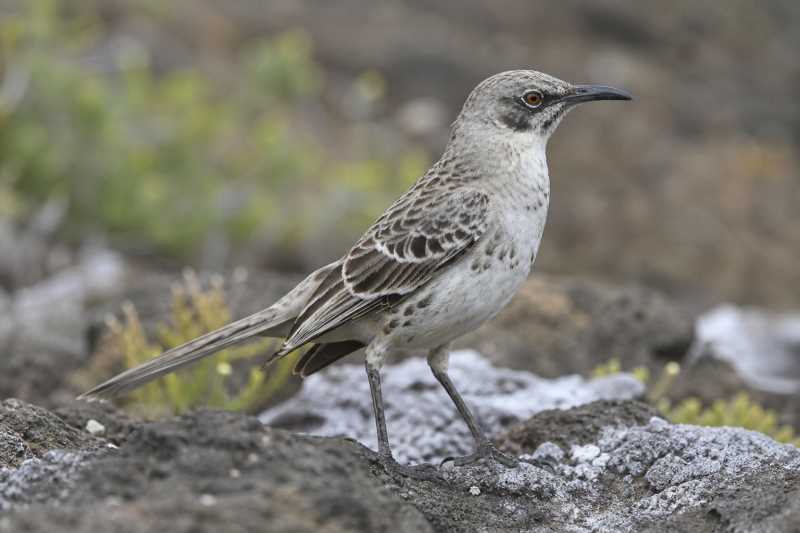
The Española Mockingbird is medium-sized, measuring about 25-28 cm in length. Its plumage is predominantly grayish-brown with a white underbelly, and it features a distinctive long tail and curved bill. These physical characteristics are adapted to its foraging habits and the environmental conditions of its island habitat.
Habitat and Distribution
Exclusively found on Española Island, this mockingbird occupies a range of habitats, including coastal areas, scrublands, and dry forests. The island’s arid climate and sparse vegetation have influenced the bird’s ecology and behavior, making it a superb example of adaptation and survival.
The limited distribution of the Española Mockingbird underscores the vulnerability of island species to environmental changes, habitat loss, and invasive species. Conservation efforts are critical in ensuring the survival of this species and maintaining the ecological balance of Española Island.
Behavior and Diet
The Española Mockingbird is known for its highly social nature. It often forms groups of up to 40 individuals, which is relatively uncommon among mockingbirds. These groups engage in cooperative behaviors, such as collective foraging and territorial defense, which are believed to enhance their survival in the challenging island environment.
Dietarily, the Española Mockingbird exhibits opportunistic feeding habits. Its diet consists mainly of insects, small reptiles, fruits, and occasionally carrion. This adaptability in feeding enables it to thrive despite the limited and fluctuating food resources available on the island.
Reproductive Strategies
The breeding season of the Española Mockingbird typically aligns with the wet season, when food resources are more abundant. It constructs its nests in low shrubs or cacti, using twigs and other plant materials. The female typically lays two to four eggs, which both parents help incubate and rear.
Notably, this species exhibits cooperative breeding, where additional group members assist in raising the young. This strategy is advantageous in environments where resources are scarce or unpredictable, ensuring higher survival rates for the offspring.
Conservation Status and Threats
The Española Mockingbird is currently classified as Vulnerable by the International Union for Conservation of Nature (IUCN). Its restricted range makes it particularly susceptible to environmental disturbances, such as climate change, natural disasters, and human activities.
Invasive species pose one of the greatest threats to the Española Mockingbird. Predators, such as rats and cats introduced to the island, can prey on eggs and young birds, while invasive plants can alter the habitat structure. Conservation efforts, including habitat restoration and invasive species control, are crucial in mitigating these threats.
Efforts to conserve the Española Mockingbird are part of a broader strategy to protect the biodiversity of the Galápagos Islands. The Galápagos National Park, alongside various international conservation organizations, is actively involved in monitoring and protecting this unique species.
The Role of Española Mockingbird in Ecosystem
As an integral component of the island’s ecosystem, the Española Mockingbird plays a significant role in seed dispersal and pest control. Its foraging activities contribute to the health and regeneration of the island’s vegetation, influencing plant community dynamics and structure.
Moreover, as a top avian predator on the island, it helps regulate the populations of various insect and small vertebrate species, maintaining ecological balance.
The Future of Española Mockingbird
The survival of the Española Mockingbird hinges on continued conservation efforts and sustainable management of its habitat. Public awareness and education about the significance of this species and its island home are vital in garnering support for its conservation.
Research initiatives aimed at understanding the ecological needs and responses of the Española Mockingbird to environmental changes are essential. Such efforts will inform adaptive management strategies to ensure the long-term preservation of this remarkable bird and its unique ecosystem.
In conclusion, the Española Mockingbird is more than just a bird; it is a symbol of the delicate balance of life on the Galápagos Islands. Protecting it ensures the preservation of a unique natural heritage and the continued study of evolutionary processes that these islands so famously represent.
Related posts