The Enigmatic Puerto Rican Owl: Guardian of the Night Skies
The Puerto Rican Owl, scientifically known as *Gymnasio nudipes*, is a captivating species native to the lush tropical landscapes of Puerto Rico. This small yet formidable raptor holds a unique place in the island’s biodiversity, as it is endemic to Puerto Rico, meaning it is found nowhere else in the world. The owl is a symbol of the island’s natural heritage, entwined with its ecosystems and cultural narratives.
Physical Characteristics and Behavior
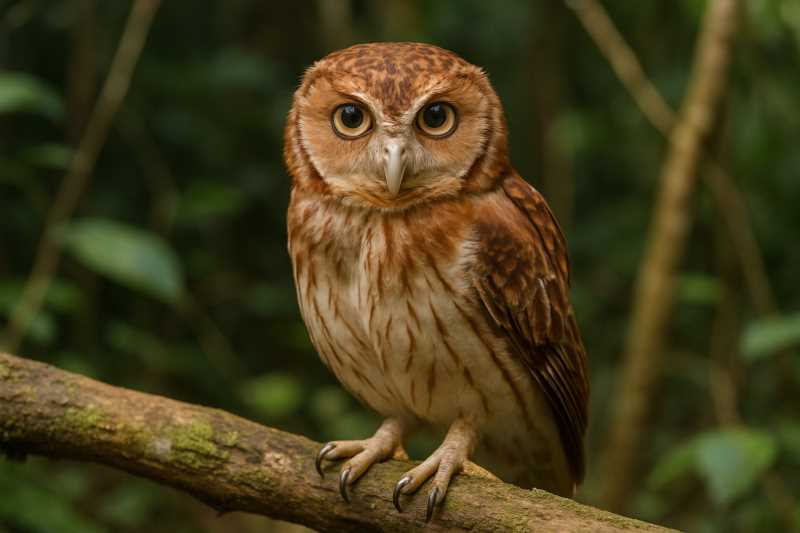
The Puerto Rican Owl is relatively small, measuring approximately 9 to 10 inches in length with a wingspan of around 21 inches. Despite its petite stature, this owl exhibits an impressive set of features that make it a proficient nocturnal hunter. Its large, forward-facing eyes are adapted for enhanced night vision, while its acute hearing allows it to detect even the faintest of sounds. The owl’s plumage is predominantly brown, providing excellent camouflage against the forested backdrop.
One of the owl’s most distinctive characteristics is its bare legs, which is reflected in its scientific name, *nudipes*, meaning “naked feet.” This feature differentiates it from many other owl species and contributes to its unique identity among ornithologists and bird enthusiasts.
Habitat and Distribution
The Puerto Rican Owl is primarily found in the island’s subtropical and tropical moist forests, spanning both lowland and montane regions. These habitats offer an abundance of prey, including insects, small mammals, and birds, which constitute the owl’s diet. The species is particularly associated with mature forests, where trees provide ample nesting sites and coverage from potential predators.
Despite its adaptability to different forest types, the Puerto Rican Owl faces significant threats from habitat destruction and fragmentation. Urbanization, agriculture, and infrastructure development have encroached upon its natural habitats, leading to a decline in suitable living spaces. Conservation efforts are crucial to ensuring the survival of this endemic species.
Conservation Status
The Puerto Rican Owl is currently classified as Near Threatened by the International Union for Conservation of Nature (IUCN). This status highlights the owl’s vulnerability in the face of ongoing habitat loss and environmental changes. Conservation initiatives have been implemented to protect the owl’s remaining habitats and promote sustainable land-use practices.
Efforts by local and international conservation organizations focus on habitat preservation, reforestation, and the establishment of protected areas. Educating the public about the ecological significance of the Puerto Rican Owl is also a priority, fostering a sense of stewardship and responsibility for the island’s natural resources.
Cultural Significance
In Puerto Rican culture, the owl is often associated with mystery and wisdom. Its nocturnal nature and haunting calls have inspired numerous folktales and legends, enriching the island’s cultural tapestry. The Puerto Rican Owl, with its elusive presence and enigmatic allure, serves as a reminder of the island’s rich biodiversity and the need to preserve it for future generations.
The owl’s cultural significance extends beyond mere symbolism; it represents a connection to the natural world and a call to action for conservation. By protecting the Puerto Rican Owl, efforts are also made to safeguard the broader ecosystems on which it depends, benefiting countless other species and ensuring ecological balance.
Research and Observation
Ornithologists and researchers continue to study the Puerto Rican Owl to gain a deeper understanding of its behavior, ecology, and population dynamics. Field studies and monitoring programs are essential for gathering data on the owl’s distribution, breeding habits, and interactions with its environment.
Technological advancements, such as bioacoustic monitoring and satellite tracking, have enhanced the ability to observe and track the owl in its natural habitat. These tools provide valuable insights into the species’ movements and inform conservation strategies, aiming to mitigate human impact and support population recovery.
Conclusion
The Puerto Rican Owl is a remarkable testament to the island’s unique biodiversity. As a species found solely in Puerto Rico, it embodies the island’s natural heritage and underscores the importance of conservation efforts. Protecting the Puerto Rican Owl means preserving not only a singular species but also the intricate ecosystems of which it is a part.
Continued research, habitat protection, and community engagement are vital to ensure the survival of this enigmatic owl. By fostering a deeper appreciation for the Puerto Rican Owl and its environment, we can contribute to a sustainable future where both nature and culture thrive harmoniously.
Related posts