The Daurian Redstart: A Vibrant Beacon of East Asian Avifauna
The Daurian Redstart (Phoenicurus auroreus) stands as a vibrant testament to the avian diversity found in East Asia. With its striking plumage and engaging behavior, this bird is not just a delight for ornithologists but also for casual bird watchers and nature enthusiasts.
Taxonomy and Nomenclature
Belonging to the family Muscicapidae, the Daurian Redstart is a small passerine bird. Its scientific name, *Phoenicurus auroreus*, reflects its distinctive coloring, with “Phoenicurus” meaning “red tail” in Greek, a nod to its striking tail feathers.
Physical Description
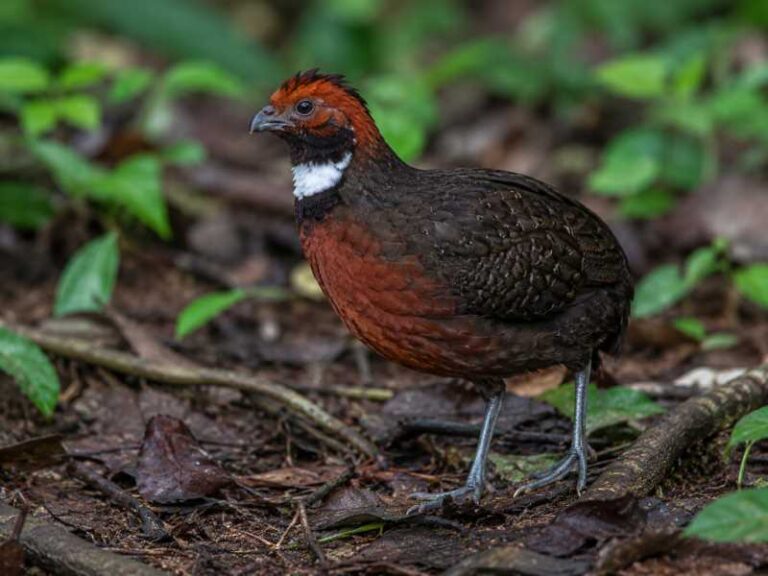
The Daurian Redstart is sexually dimorphic, meaning males and females differ significantly in appearance. Males are particularly eye-catching, with a bold combination of slate gray on the head and back, contrasted by a fiery orange belly and underparts. The crown and nape are a deep black, accentuating their sharp, piercing eyes. The tail, true to its name, is a bright orange-red, making the bird easily recognizable, especially in flight. Female Daurian Redstarts, though more subdued, are equally charming, with gray-brown upperparts and a more muted orange on the breast and tail.
Habitat and Distribution
This species is native to East Asia, with a range extending across eastern Mongolia, parts of Russia, Korea, Japan, and northeastern China. The Daurian Redstart is a migratory bird, breeding in temperate zones and wintering in warmer regions such as southern China, Taiwan, and Southeast Asia. It favors open forests, forest edges, gardens, and rural landscapes, often seen perched prominently on tree branches or shrubs.
Behavior and Diet
The Daurian Redstart is known for its active and agile nature. It often exhibits a flicking tail and wing movements, a characteristic behavior that serves to communicate with potential mates and rivals. Their song is a melodious series of whistles and trills, often heard during the breeding season as males establish territories and court females.
In terms of diet, the Daurian Redstart is primarily insectivorous, feasting on a variety of insects and other invertebrates. However, during the non-breeding season, they may also consume berries and fruits, adapting their diet to the available food sources.
Breeding and Reproduction
Breeding takes place in the early spring months. These birds are monogamous, with pairs forming strong bonds that last through the breeding season. The female is primarily responsible for nest construction, often choosing a site in a tree cavity or a man-made structure. The nest is a cup-shaped structure made from twigs, grasses, and lined with feathers.
A typical clutch consists of 3-5 eggs, which are incubated by the female for about two weeks. Once hatched, both parents partake in feeding the chicks, which fledge the nest approximately two weeks after hatching. The role of the male in feeding and protecting the young is crucial during this period.
Conservation Status
Currently, the Daurian Redstart is classified as “Least Concern” by the International Union for Conservation of Nature (IUCN). This status is largely due to its wide distribution and stable population numbers. However, habitat destruction and climate change pose potential threats that could impact their numbers in the future. Conservation efforts in key breeding and wintering areas are essential to ensure the long-term survival of this species.
Cultural Significance
In many parts of its range, the Daurian Redstart is a popular subject in art and literature, often symbolizing happiness and good fortune. Its presence in gardens and urban areas has made it a familiar sight to many, further endearing it to the public.
Observation Tips
For those interested in observing the Daurian Redstart in its natural habitat, early morning and late afternoon are ideal times when these birds are most active. Bringing along a pair of binoculars and a camera can enhance the experience. Patience and a quiet approach will often yield rewarding sightings, especially during the spring when males are singing.
Conclusion
The Daurian Redstart is a captivating bird that enriches the biodiversity of East Asia. Its vibrant appearance, coupled with its fascinating behaviors, make it a standout species among the avian world. While currently not endangered, continued conservation efforts are vital to preserve this beautiful bird for future generations to admire.
With its combination of beauty, adaptability, and charm, the Daurian Redstart remains a beloved symbol of the natural world, inspiring both scientific study and cultural celebration.
Related posts