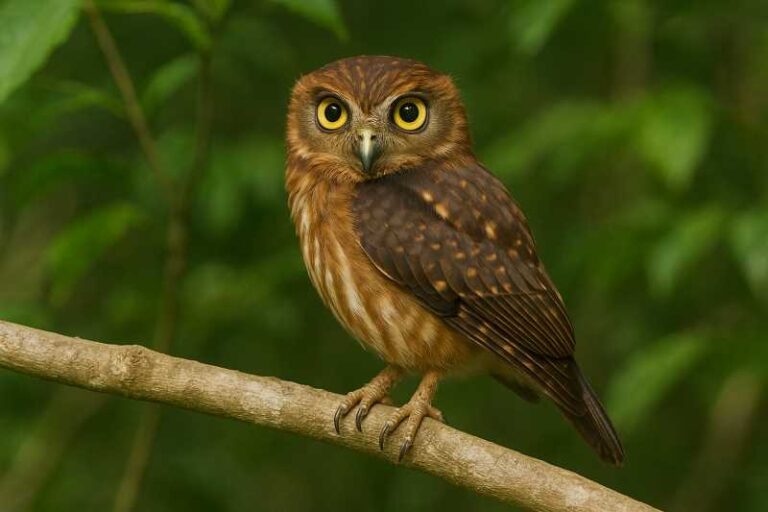
The Red Avadavat: A Jewel of the Ornithological World
The Red Avadavat (Amandava amandava), also known as the Red Munia or Strawberry Finch, is a small passerine bird that captures the fascination of bird enthusiasts and ornithologists worldwide. This vibrant bird is a member of the Estrildidae family and is renowned for its striking plumage and melodious song. Native to the Indian subcontinent, the Red Avadavat has also been introduced to various other regions, including parts of Southeast Asia and the Pacific Islands.
Distinctive Features and Plumage
One of the most remarkable aspects of the Red Avadavat is its vivid plumage, which has earned it the nickname "Strawberry Finch" due to the male’s bright red coloration during the breeding season. The males exhibit a brilliant scarlet hue with white speckles on their feathers, while their wings and tail are accented with black and brown. In contrast, the females and non-breeding males are more subdued, displaying brownish feathers with less pronounced markings. This sexual dimorphism is particularly noticeable during the breeding season, highlighting the male’s role in attracting mates.
The Red Avadavat is small, measuring around 3.5 to 4 inches (9 to 10 centimeters) in length, and weighs approximately 7 to 10 grams. Its small size, combined with its vibrant colors, makes it a delightful sight for bird watchers and naturalists.
Habitat and Distribution
The Red Avadavat is primarily found in open grasslands, cultivated fields, and scrublands, where it can easily forage for seeds and insects. Its preference for such habitats is closely linked to its diet, which consists mainly of grass seeds and small insects. The bird’s adaptability allows it to thrive in various environments, which has contributed to its successful introduction in regions outside its native range.
In its native range, which includes countries like India, Bangladesh, Nepal, and Pakistan, the Red Avadavat is a common sight. However, its introduction to other regions has been facilitated by the pet trade, as its captivating appearance makes it a popular choice among bird collectors.
Behavior and Breeding
The Red Avadavat is a social bird, often found in small flocks outside the breeding season. These flocks can consist of a mixed group of males, females, and juveniles, all foraging together. During the breeding season, however, the males become territorial and engage in elaborate courtship displays to attract mates. This involves a series of aerial displays and songs, showcasing their vibrant plumage and vocal prowess.
Breeding typically occurs during the monsoon season when food is abundant, ensuring the availability of resources for their offspring. The female builds a round nest using grasses and other plant materials, usually positioned low in dense vegetation. She lays a clutch of about 4 to 6 eggs, which are incubated for approximately 12 to 14 days. Both parents participate in feeding and caring for the chicks until they fledge, which occurs around three weeks after hatching.
Conservation and Threats
Currently, the Red Avadavat is classified as "Least Concern" by the International Union for Conservation of Nature (IUCN). This classification is due to its broad range and stable population numbers. However, the species does face threats from habitat loss and degradation, particularly in regions experiencing rapid agricultural expansion and urbanization. Additionally, the pet trade poses a risk, although it has not significantly impacted wild populations to date.
Efforts to conserve the Red Avadavat focus on habitat protection and monitoring population trends to ensure that this charming species remains a vibrant part of the world’s biodiversity.
Conclusion
The Red Avadavat is a testament to nature’s artistry, with its striking colors and enchanting behavior. As a species that has adapted well to a variety of environments, the Red Avadavat continues to thrive in its native and introduced ranges. For bird enthusiasts, observing the Red Avadavat in the wild is a delightful experience, offering a glimpse into the intricate dynamics of avian life.
In celebrating the Red Avadavat, we are reminded of the importance of conserving the diverse habitats that support such fascinating species, ensuring that future generations can also marvel at this "jewel" of the ornithological world.
Related posts