The Planalto Foliage-gleaner: An Insight into the Ecology and Conservation of Syndactyla dimidiata
The Planalto Foliage-gleaner, scientifically known as Syndactyla dimidiata, is a fascinating bird species belonging to the family Furnariidae. This bird, endemic to the subtropical and tropical forests of South America, plays a crucial role in the ecosystem. Despite its importance, the Planalto Foliage-gleaner remains relatively under-researched, highlighting the need for further studies and conservation efforts.
Taxonomy and Morphological Characteristics
The Planalto Foliage-gleaner is a member of the order Passeriformes, which is the largest order of birds and includes over half of all bird species. Within the Furnariidae family, the foliage-gleaners are known for their specialized foraging behaviors and adaptations.
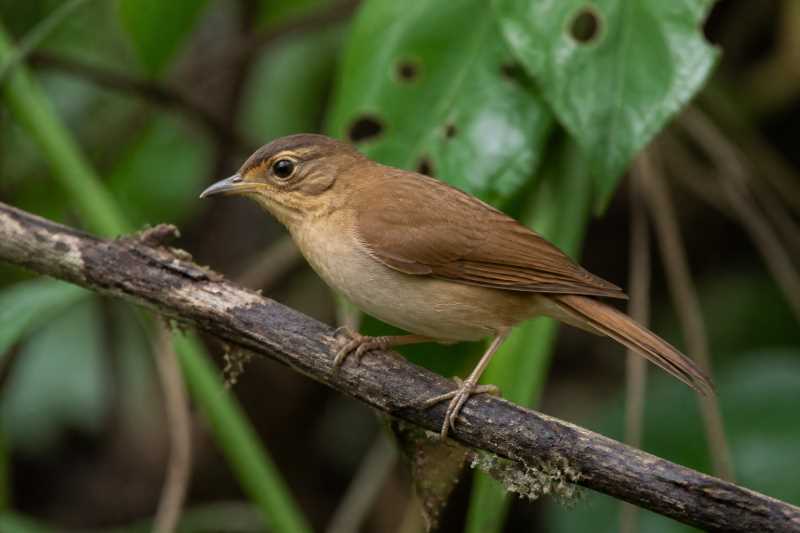
Morphologically, the Planalto Foliage-gleaner is characterized by its medium size, measuring approximately 18 to 19 centimeters in length. It possesses a distinctive plumage with earthy tones that blend seamlessly into its forested environment. The bird’s upperparts are typically brown with subtle olive or rufous hues, while the underparts are lighter, often showing a creamy or buff coloration.
The species is equipped with a strong, slightly curved bill, perfectly adapted for its feeding habits. Its legs are robust, aiding in its ability to navigate through dense foliage. The tail is often stiff, providing support as the bird maneuvers through its habitat.
Habitat and Distribution
The Planalto Foliage-gleaner is primarily found in the Atlantic Forest biome, a biodiversity hotspot that stretches across parts of Brazil, Paraguay, and Argentina. This region is renowned for its rich biodiversity, but it is also one of the most threatened ecosystems due to deforestation and habitat fragmentation.
This species inhabits both primary and secondary forests, demonstrating a degree of adaptability to altered habitats. However, it shows a preference for dense, humid forests where it can find ample food supplies and nesting sites. The bird is typically found at elevations ranging from sea level to around 1,800 meters.
Behavior and Ecology
The Planalto Foliage-gleaner is an insectivorous bird, primarily feeding on a diet of arthropods, including insects and spiders. Its foraging behavior is characterized by meticulously gleaning insects from foliage, bark, and twigs, often using its bill to probe crevices and dislodge prey.
These birds are generally solitary or found in pairs, though they may occasionally join mixed-species flocks, especially when foraging. This behavior allows them to exploit a variety of ecological niches and reduce interspecies competition.
Breeding typically occurs during the wet season when food resources are abundant. The Planalto Foliage-gleaner nests in tree cavities or abandoned woodpecker holes, which provide protection from predators and environmental elements. The female usually lays two to three eggs, and both parents participate in incubation and chick rearing.
Conservation Status and Threats
The IUCN Red List currently categorizes the Planalto Foliage-gleaner as Least Concern, but this status does not imply that the species is free from threats. Habitat loss due to deforestation is the primary threat facing these birds. The Atlantic Forest has been significantly reduced in size, with less than 30% of its original cover remaining today. This loss of habitat leads to population declines and increased vulnerability to environmental changes.
Conservation efforts are critical to ensure the survival of the Planalto Foliage-gleaner. Protecting and restoring habitats, implementing sustainable forestry practices, and raising awareness about the importance of biodiversity are essential steps in preserving this species and its ecosystem.
Conclusion
The Planalto Foliage-gleaner, Syndactyla dimidiata, is a remarkable species that highlights the intricate balance of forest ecosystems. Its existence is a testament to the rich biodiversity of the Atlantic Forest. However, the ongoing threats of habitat destruction and climate change underscore the urgency for conservation action.
Understanding the ecology and behavior of the Planalto Foliage-gleaner is crucial in developing effective conservation strategies. Further research is needed to gain insights into its population dynamics, breeding habits, and ecological requirements. By fostering conservation initiatives and promoting sustainable practices, we can ensure that this unique bird continues to thrive in its natural habitat for generations to come.
Related posts